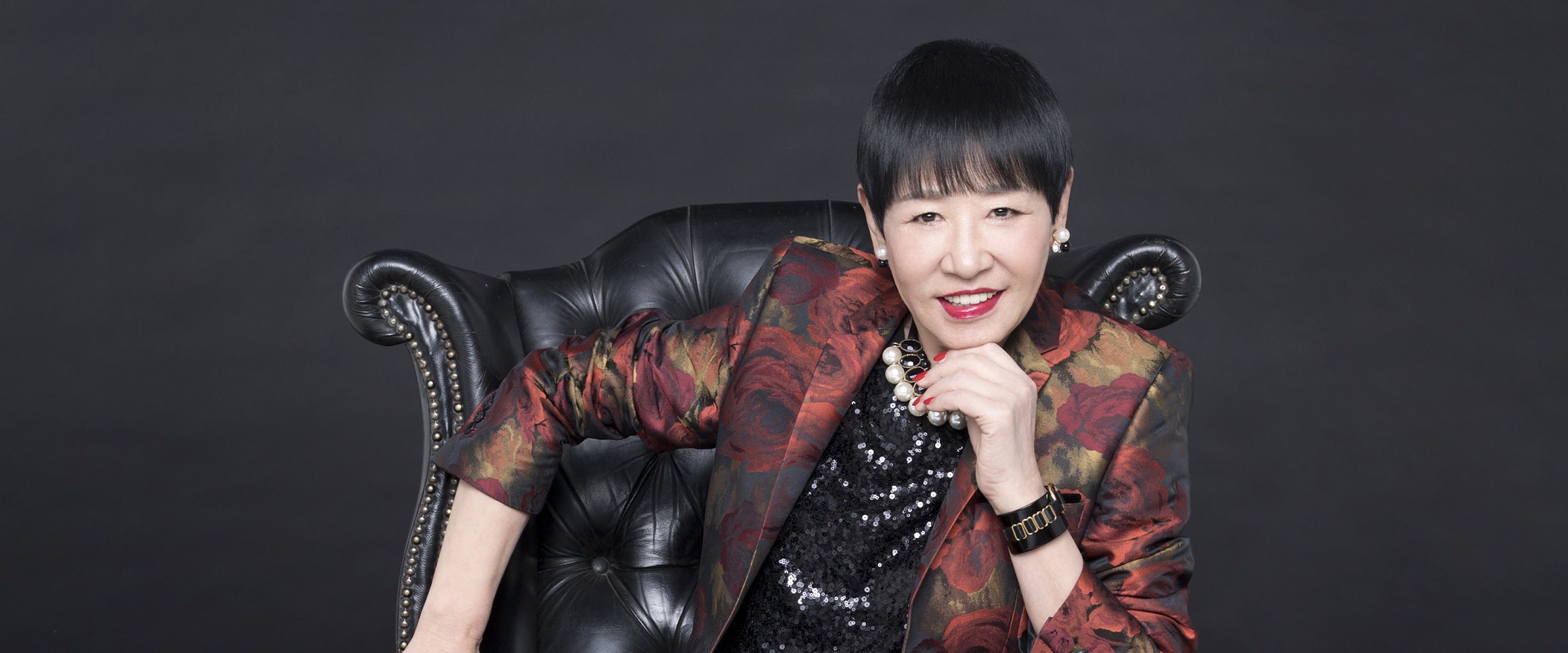
Akiko Wada
 Japan
Japansinger•jazz musician•actor•tarento•businesswoman
Also known as: Kim Bok-ja, Fukuko Kaneumi, Akiko Iizuka, Wada Akiko
Birthday
April 10, 1950
Birth Sign
Aries
Birthplace
Tennoji-ku, Osaka, Japan
Age
76 years old
Height
5 ft 8.5 in (174 cm)
About
Akiko Wada is a towering figure in the Japanese entertainment industry, celebrated for a career spanning over five decades. Born on April 10, 1950, in Osaka, she stands at an imposing 174 cm (5 ft 8.5 in) and has commanded the cultural landscape as a singer, jazz musician, actress, and television personality of Korean descent. Known affectionately as "Akko" and by the honorific titles "Jotei" (Empress) and "God Nehsan," Wada defied the demure, petite archetype of 1960s and 1970s Japanese female idols with her short hair, loud rock-and-roll voice, and commanding stage presence. Her distinct physical stature and bold aesthetic have made her a matriarchal icon whose influence transcends generations.
As of 2026, she remains active, continuing to perform at major venues like Billboard Live Osaka and appearing in global media projects such as the Yakuza video game series. She is frequently recognized in rankings, holding the 67th spot in J-Pop/J-Rock fame lists as of 2026. Her enduring relevance is marked by a loyal fanbase that celebrates her longevity and unique persona rather than organized campaigns. With an estimated net worth between $5 million and $10 million, she represents a rare blend of artistic integrity and commercial success, navigating the complexities of being a Zainichi Korean artist in a predominantly homogeneous society while maintaining a direct, unapologetic public voice.
Early Life & Background
Akiko Wada was born into a Zainichi Korean family in Tennoji-ku, Osaka, where her father worked as a boxer. This upbringing contributed to her robust physical stature and energetic personality from a young age. Growing up in post-war Osaka, she developed an early interest in American music, particularly R&B and soul, which would later define her signature sound. Unlike many contemporaries who pursued formal idol training, Wada honed her craft performing in jazz cafés and clubs around Osaka during the late 1960s. This period of grassroots performance allowed her to develop the powerful, emotive vocal style that set her apart from peers.
Her early life was marked by the cultural complexities of being a Korean-Japanese artist in a predominantly homogeneous society, a background she has navigated with resilience and artistic integrity. Before her mainstream breakthrough, she performed in intimate venues where she cultivated a reputation for raw talent and a distinctive look that challenged gender norms. The decision to adopt short hair and a bold aesthetic before it became fashionable for women in Japan laid the groundwork for her future identity as a non-conformist icon. These formative years in the Osaka club scene provided the foundation for her transition to national stardom, establishing a work ethic that would sustain her through nearly six decades of professional activity.
Career Growth
Wada's professional debut occurred in the late 1960s, but her major breakthrough arrived in 1968 with the release of "Hoshizora no Lonely Wolf" (Lonely Wolf in the Starry Sky). This song showcased her unique blend of soul and pop and quickly became a hit, solidifying her status as a leading figure in the Japanese music scene. Throughout the 1970s, she expanded into acting, starring in the iconic Stray Cat Rock series, most notably Stray Cat Rock: Delinquent Girl Boss (1970). These roles cemented her image as the ultimate "delinquent girl boss," a tough, independent woman who resonated deeply with youth culture.
In the 1980s, Wada broadened her reach beyond music and film into television variety shows. She appeared in the long-running Otoko wa Tsurai yo (It's Tough Being a Man) film series, further embedding herself in the national consciousness. A memorable cameo in the 1986 live-action film Super Mario Bros.: Great Mission to Rescue Princess Peach, playing a maternal figure, has since become a piece of trivia among international fans. Her career saw a resurgence in the 2010s and 2020s through cross-media projects. In 2017, she released a covers album of Grammy-winning songs, earning praise from Billboard as a move by a "Japanese R&B Legend." A pivotal moment for global recognition occurred in 2025 when she was confirmed to appear as a recruitable character and substory NPC in the video game Yakuza Kiwami 3 & Dark Ties. In this role, players can hear her perform her hit song "Bakamitai," reintroducing her to a new generation of gamers worldwide. As of July 2026, news outlets report she continues to take on new challenges, maintaining her relevance in an industry where few artists survive for nearly 60 years.
Career Timeline
Public Image & Style
Akiko Wada is portrayed by the media as a resilient, authentic, and unapologetic icon. Her content tone is candid, often featuring her distinctive laugh and blunt speech. She is viewed as a symbol of breaking barriers for women and ethnic minorities in Japan. Her social media voice is direct and engaging, avoiding the polished facade common in idol culture. Standing at 174 cm, she towers over many of her peers, earning her the nickname "Jotei" (Empress). Fans also affectionately call her "Akko." Her signature style includes short hair, bold makeup, and a mix of rock-and-roll and elegant attire. She is seen as a matriarchal figure whose influence transcends generations.
Fame & Fandom
Akiko Wada commands a fanbase that operates without an official moniker, preferring to organize organically around her fifty-eight-year career rather than through structured clubs. Her audience is bound by a shared reverence for a figure who defies the typical idol archetype; they celebrate her blunt speech, distinctive laugh, and refusal to conform to demure gender norms. This loyalty was recently formalized in interactive media when developers integrated her into the Yakuza (Ryu Ga Gotoku) franchise as a recruitable character, allowing players to hear her perform "Bakamitai" within Yakuza Kiwami 3 & Dark Ties. Such projects bridge the gap between her real-life persona and gaming culture, cementing her status as a matriarchal icon whose influence transcends generations.
According to the September 2026 data from the iFANN Global Fame Rankings, Akiko Wada is currently evaluated but does not hold a placement in the published rankings (Global Top 1,000 or scope lists). While no specific fandom name exists, the collective admiration for her longevity and her unique physical presence, standing at 174 cm in an industry often defined by smaller stature, creates a cultural consensus that rivals any organized movement. Fans refer to themselves organically as supporters of "Akko" or "The Empress," engaging in organic streaming pushes for her older tracks and social media campaigns celebrating her birthday and anniversaries.
Interesting Facts and Legends
Akiko Wada is of Korean descent, a fact that was often downplayed or ignored by the media in her early career but is now openly acknowledged and celebrated. Her voice is described as powerful and soulful, capable of hitting high notes with a raspy texture that became her trademark. She was known for wearing pantsuits and short hair before it was fashionable for women in Japan, challenging gender norms of the 1960s and 70s. Her brief appearance in the 1986 Super Mario Bros. movie is a rare crossover between Japanese cinema and Nintendo lore. The story of her nickname "God Nehsan" (God Big Sister) is a central part of her lore, reflecting her matriarchal authority in the industry. Fans still retell stories of her intimidating yet charismatic stage presence during the Stray Cat Rock era. Her inclusion in Yakuza Kiwami 3 is considered a meta-moment, bridging the gap between reality and fiction as players encounter a living legend singing in a virtual club.
Notable Quotes
“I am not an idol; I am a singer who sings what I feel.”
“My voice is my weapon, and my height is my armor.”
“I want to be remembered as someone who lived freely.”
Family & Personal Life
Akiko Wada was born into a Zainichi Korean family in Osaka. Her father was a boxer, which influenced her strong physical presence and energetic nature. She married Kōji Iizuka, a fellow entertainer and musician, in the 1970s, and they have remained together for decades. The couple met through their shared work in the entertainment industry and often appear together in public, supporting each other's careers. There are no widely reported children from this marriage, though some sources suggest she may have stepchildren or close family ties extended through her husband's previous relationships. Specific details on offspring are not publicly documented in detail. Her personal life has generally been kept private, focusing attention on her professional achievements rather than her dating history.
Notable Connections
Relationships & Dating History
Akiko Wada has been married once. Her spouse is Kōji Iizuka, a fellow entertainer and musician. They were married in the 1970s, with the exact year varying by source but widely cited as mid-to-late 70s, and remain together as of 2026. The couple met through their shared work in the entertainment industry. Unlike many celebrity marriages that end in divorce, Wada and Iizuka have maintained a stable union for decades, often appearing together in public and supporting each other's careers. There are no widely reported children from this marriage, though some sources suggest she may have stepchildren or close family ties extended through her husband's previous relationships, though specific details on offspring are not publicly documented in detail. Prior to her marriage to Iizuka, there are no confirmed public romantic relationships or high-profile flings recorded in credible biographical sources. Her personal life has generally been kept private, focusing attention on her professional achievements rather than her dating history. As of 2026, she remains married to Kōji Iizuka.
- MarriedKōji Iizuka1975 - presentCurrentMet through shared work in the entertainment industry; married in the mid-to-late 1970s.
Salary, Net Worth In 2026
$6 Million
iFANN Editorial Team estimate
iFANN Editorial Team research places Akiko Wada's net worth at approximately $6 million as of 2026. This estimate reflects her 58-year career, extensive catalog of hits, business ventures, and recent high-profile collaborations.
Her wealth breakdown includes continuous revenue from classic hits like "Hoshizora no Lonely Wolf" and "Bakamitai," plus streaming revenue from her 2017 Grammy covers album. She launched her own fashion line in the past, contributing to her wealth. Decades of appearances on variety shows and commercial endorsements have provided steady income. Recent inclusion in Yakuza Kiwami 3 likely generated a significant licensing fee.
Awards Won (1)
While Akiko Wada is revered as a legend, she has received fewer formal competitive awards compared to her peers, likely due to the era in which she rose to fame and her choice of genres. However, she has received significant honors including the Japan Best Jewelry Dresser Award in October 2025. She is frequently honored with lifetime achievement recognitions within the Japanese music industry for her 50+ year career. She is often referred to as the "Queen of Japanese R&B" and "Empress of J-Pop" by media outlets, reflecting her de facto status as an award winner in the hearts of the public.
2025 · Style Icon
Known For
Stray Cat Rock: Delinquent Girl Boss
1970 · Actor
Hoshizora no Lonely Wolf
1968 · Singer
Yakuza Kiwami 3 & Dark Ties
2025 · Substory NPC / Vocalist
Super Mario Bros.: Great Mission to Rescue Princess Peach
1986 · Peach's Mother
Keywords
Sources
Quick Facts
- Profession
- singer, jazz musician, actor, tarento, businesswoman
- Born
- April 10, 1950
- Birthplace
- Tennoji-ku, Osaka, Japan
- Gender
- Female
- Spouse
- Kōji Iizuka
- Birth Sign
- Aries
- Height
- 174 cm (5 ft 8.5 in)
Personal Details
- Full Name
- Akiko Wada (formerly Kim Bok-ja)
- Height
- 5 ft 8.5 in (174 cm)
- Spouse
- Kōji Iizuka
- Children
Filmography
45
Total
25
Film
20
TV
Frequently Asked Questions
How old is Akiko Wada?
Who is Akiko Wada married to?
What is Akiko Wada's most famous song?
Is Akiko Wada still active?
Why is Akiko Wada called "God Nehsan"?
Similar People
Join the community
fans discussing