
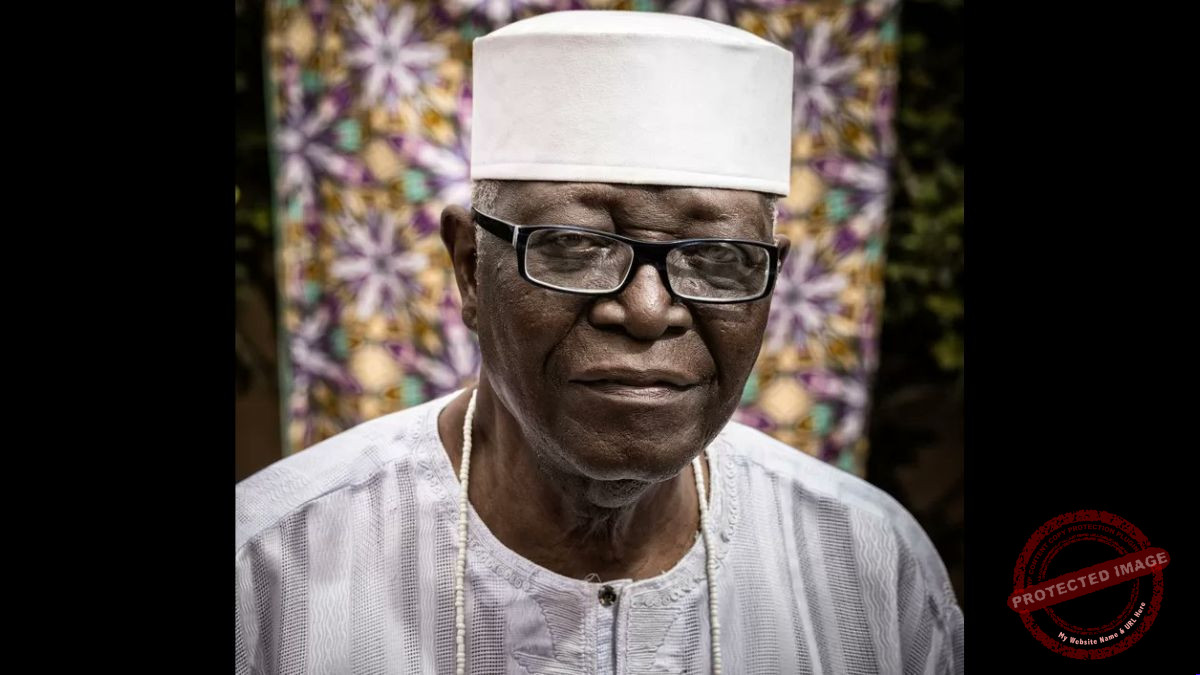
Akenzua II
 Nigeria
Also known as: Basimi Eweka, Omo n'Oba n'Edo Uku Akpolokpolo
Birthday
January 7, 1899
Birth Sign
Capricorn
Birthplace
Benin City, Edo State, Nigeria
Age
Died at 79
About
Oba Akenzua II was the thirty-seventh ruler of the Benin Kingdom, serving from 1933 until his death in 1978. Born as Ọmọ n'Ọba n'Ẹdo Uku Akpọlọkpọlọ, he ascended the throne during a turbulent period when British colonial policies had significantly weakened the institution of the Obaship. He is widely recognized as a transformative figure who successfully modernized the Edo people while preserving their cultural heritage. His reign bridged the gap between ancient tradition and modern governance, earning him respect both locally and internationally.
During his forty-five-year rule, he revitalized the dignity of the monarchy and established key institutions like the Benin Traditional Council. He navigated complex political landscapes, serving as President of the House of Chiefs in 1964. His legacy continues to influence contemporary discussions regarding cultural restitution and the preservation of Nigerian history.
Early Life & Background
Before ascending to the throne, Basimi Eweka lived a life steeped in the rich traditions of the Edo kingdom. Born in Benin City to Prince Ado, the heir apparent, and Princess Okunade, he received a rigorous traditional education within the royal court. This upbringing focused on mastering the customs, rituals, and history of the Benin Empire rather than Western schooling. Unlike many contemporaries who were sidelined by colonial powers, Akenzua II was groomed for leadership with a vision that balanced ancestral duties with the realities of a changing world. His intellectual curiosity and diplomatic temperament became evident early on, setting the stage for his future role as a statesman. The political maneuvering surrounding his eventual accession involved navigating tensions between the royal family and the British administration, but his preparation remained rooted in the deep cultural soil of his homeland.
Career Growth
Akenzua II assumed the throne in 1933 following the death of his uncle, immediately beginning work to restore the prestige of the monarchy which had been eroded by colonial interference. One of his most significant achievements was persuading British colonial authorities to relocate markets from dangerous roadside strips to designated vacant plots, an initiative that improved hygiene and organized the city layout of Benin City. He established the Benin Traditional Council and oversaw the construction of the new Benin Palace, symbolizing a renaissance of Edo heritage. In 1964, he became the President of the House of Chiefs, placing him at the center of national political negotiations in pre-civil war Nigeria. He served as a stabilizing force during the intense political turbulence leading up to the military takeover in 1966. His successors frequently cite his era as the starting point for efforts to recover stolen heritage, a cause that gained global momentum decades after his passing.
Career Timeline
Public Image & Style
He was known for wearing traditional regalia, including coral beads and elaborate robes, which signified his authority. His public image was one of dignity, wisdom, and a bridge between the past and future. Media portrays him as a statesman and a stabilizing force, depicted in historical archives as a dignified leader who engaged with colonial officials without compromising his people's interests. His presence commanded respect across different generations and political shifts.
Fame & Fandom (iFAMOUS Rankings)
The audience surrounding Oba Akenzua II never coalesced into a modern fandom with chants, hashtags, or fan clubs. His subjects were citizens and traditional devotees rather than fans, united by reverence for his role as the thirty-seventh Oba of Benin rather than celebrity worship. The dynamic was defined by political authority and cultural stewardship during the colonial era, not by viral moments or chart performance. While contemporary pop culture relies on organized fanbases to drive engagement, the legacy of this monarch rests on institutional memory and state-sponsored commemoration. Recent efforts to rehabilitate the Oba Akenzua II Cultural Centre reflect a continued commitment to preserving his historical impact, yet no formal group claims ownership of his narrative. The absence of a documented fandom name underscores the distinction between traditional leadership and modern stardom; there are no fan rituals, birthday billboards, or crowd-funded projects to record. Instead, the story of his influence is told through the modernization of Benin City and the ongoing global movement to return looted artifacts. iFANN has evaluated this figure within its Global Fame Engine framework. Despite the enduring weight of his reign from 1933 until his death in 1978, Akenzua II is currently the EVALUATED_UNRANKED person in the world. He does not hold a placement in the Global Top 1,000 or any Top-100 scope list. This neutral status reflects the nature of his fame: deep but localized to history and tradition rather than global pop culture metrics.
Interesting Facts and Legends
His birth name, Ọmọ n'Ọba n'Ẹdo Uku Akpọlọkpọlọ, translates to "Child of the King of Edo, Uku Akpọlọkpọlọ," highlighting his royal lineage before he took the throne. He held the titles Iso N' Orho and Osanobua N' Agbon, reflecting his role as a protector and a divine figure in Edo cosmology. The most widely retold story of his reign involves his successful negotiation with the British to move markets from the roadsides, often cited as a prime example of his diplomatic skill. Legends of his reign focus on his ability to preserve Edo dignity during the turbulent times of decolonization and the early years of Nigerian independence. In July 2026, the Edo State Government announced plans to rehabilitate the Oba Akenzua II Cultural Centre, a project intended to stand as a public monument to his contributions to urban planning and cultural preservation.
Family & Personal Life
Oba Akenzua II was married to Ohan Akenzua, who accompanied him on state visits including a notable trip to London Airport. Historical photographs show her alongside the Oba, indicating her prominent role as principal wife. He fathered several children, ensuring the continuation of the royal lineage. His grandson, Oba Ewuare II, succeeded him as the 50th Oba of Benin, demonstrating a direct and successful dynastic line. The royal house remains active today, though recent internal disputes highlight the enduring political weight of the Akenzua name.
Notable Connections
Ohan Akenzua, Oba Ewuare II, British Colonial Officials, Nduka Obaigbena
Relationships & Dating History
Oba Akenzua II was married to Ohan Akenzua, his principal wife. Historical records and photographs from the mid-1900s show her accompanying him on state visits, including a notable trip to London Airport where she is seen alongside the Oba. There are no public records of divorces or other romantic relationships outside of his marriage, consistent with the monogamous practices of high-ranking traditional rulers of that era. As a historical figure who died in 1978, his relationship status is "Widowed" by his own passing. His marital union produced several children, continuing the royal lineage that eventually led to his grandson, Oba Ewuare II, succeeding him as the 50th Oba of Benin.
- MarriedOhan Akenzua1933 - 1978Principal wife who accompanied him on state visits.
Death & Aftermath
Died
June 11, 1978 (aged 79)
Death Place
Benin City, Edo State, Nigeria
Cause of Death
Natural causes
The announcement of Oba Akenzua II's passing came on June 11, 1978, confirming the end of a reign that had spanned forty-five years. The thirty-seventh Oba of Benin died in Benin City at the age of seventy-nine, marking the conclusion of a long tenure defined by diplomatic navigation through colonial rule and post-independence challenges. Tributes flowed from peers and institutions, honoring a monarch who had persuaded the British to reorganize local markets and championed the modernization of the Edo people. Standard royal protocols governed his final rites within the kingdom, though specific dates of burial or attendee lists remain unrecorded in available accounts. Decades later, his legacy endured through the planned rehabilitation of the Oba Akenzua II Cultural Centre by the Edo State Government in July 2026. This facility stands as a public monument to his contributions, while his lineage remains central to the kingdom's narrative under his grandson, Oba Ewuare II.
Net Worth (Estate Value)
$0
iFANN Editorial Team estimate
As a monarch who died in 1978, there is no modern "net worth" in the celebrity sense. His wealth was derived from the traditional assets of the Obaship, including land holdings, tributes, and the management of the kingdom's resources. Specific figures for his estate value at the time of death are not publicly quantified in modern currency terms. However, the Benin Royal House continues to manage significant assets. The ongoing management of the kingdom's assets, including the potential future revenue from the Oba Akenzua II Cultural Centre and tourism, contributes to the economic ecosystem of the Edo State. The 2026 restitution of artifacts is a non-monetary asset transfer that holds immense cultural and potential economic value for the kingdom.
Awards Won (1)
While he did not receive modern entertainment awards, his presidency of the House of Chiefs in 1964 stands as a prestigious political appointment recognizing his leadership among Nigeria's traditional rulers. He is historically recognized as the founder of the modern Benin Traditional Council and the architect of Benin City's urban renewal. His reign is the benchmark for the "restoration of the Obaship," a distinction noted in historical analyses of Nigerian traditional governance.
1964 · Political Leadership
House of Chiefs Nigeria
Known For
Oba of Benin
1933 · 37th Monarch
Keywords
Sources
Quick Facts
- Born
- January 7, 1899
- Birthplace
- Benin City, Edo State, Nigeria
- Died
- June 11, 1978
- Gender
- Male
- Reign
- 1933–1978
Personal Details
- Full Name
- Ọmọ n'Ọba n'Ẹdo Uku Akpọlọkpọlọ
- Spouse
- Ohan Akenzua
- Children
- Unnamed children (lineage continued)
- Education
- Traditional court education
Frequently Asked Questions
Who was Oba Akenzua II?
When did Oba Akenzua II die?
What is Oba Akenzua II famous for?
Who succeeded Oba Akenzua II?
Is there a connection between Oba Akenzua II and the return of Benin Bronzes?
Similar People
Join the community
fans discussing