 Turkey
About
Ahmet Kaya was a seminal Turkish-Kurdish folk singer, composer, and poet whose life and work became synonymous with the struggle for Kurdish cultural rights in Turkey. Born in Malatya in 1957, he rose from poverty to become one of the most influential voices in Anatolian music. His career was defined by a blend of traditional folk melodies and sharp political commentary that resonated deeply with the working class and marginalized communities.
His legacy is marked by a tragic arc of fame and persecution. After winning the Musician of the Year award in 1999, Kaya declared his Kurdish identity on national television, sparking a fierce backlash that forced him into self-imposed exile in Paris. He died there at age 43, but his music continues to inspire activists and artists decades later as a symbol of resistance against oppression.
Early Life & Background
Ahmet Kaya entered the world on October 28, 1957, in Malatya, a city in eastern Turkey known for its complex ethnic makeup and economic struggles. He was born into a household facing significant financial hardship; his father worked as a laborer, and the family lived in poverty. Despite these challenges, music found him early. At just six years old, Kaya taught himself to play the bağlama, a traditional stringed instrument central to the region's folk culture.
Education proved difficult for the young boy due to his family's economic situation, leading him to drop out of school to help support them. Before his rise to stardom, he worked various manual labor jobs, including stints as a construction worker and a factory laborer. These experiences of hard labor and social inequality deeply influenced the gritty, socially conscious lyrics that would later define his career. He began performing in local venues in the late 1970s, building a reputation in the underground folk scene before releasing his first album, Yalnız Değilsin, in 1979.
Career Growth
Kaya's professional breakthrough came in the 1990s when hits like "Kum Gibi" and "Başım Belada" propelled him to mainstream superstardom. His music resonated powerfully with the working class and the oppressed, cementing his status as a voice for the marginalized. A pivotal moment occurred on February 10, 1999, at the Music Journalists Association awards in Istanbul. During his acceptance speech for Musician of the Year, he announced he would sing in Kurdish, stating, "I am a Kurd of Turkey, and I will sing in Kurdish." This declaration sparked immediate outrage among nationalist groups and politicians.
The backlash included death threats, accusations of supporting the Kurdistan Workers' Party (PKK), and a nationwide boycott of his music. Facing imminent arrest, Kaya fled to France in March 1999, entering self-exile. From Paris, he continued to release albums like Söyle and performed for massive crowds in Europe. Although banned from returning to Turkey, his records sold underground, and his mythos grew as a martyr for free expression until his death in 2000.
Career Timeline
Public Image & Style
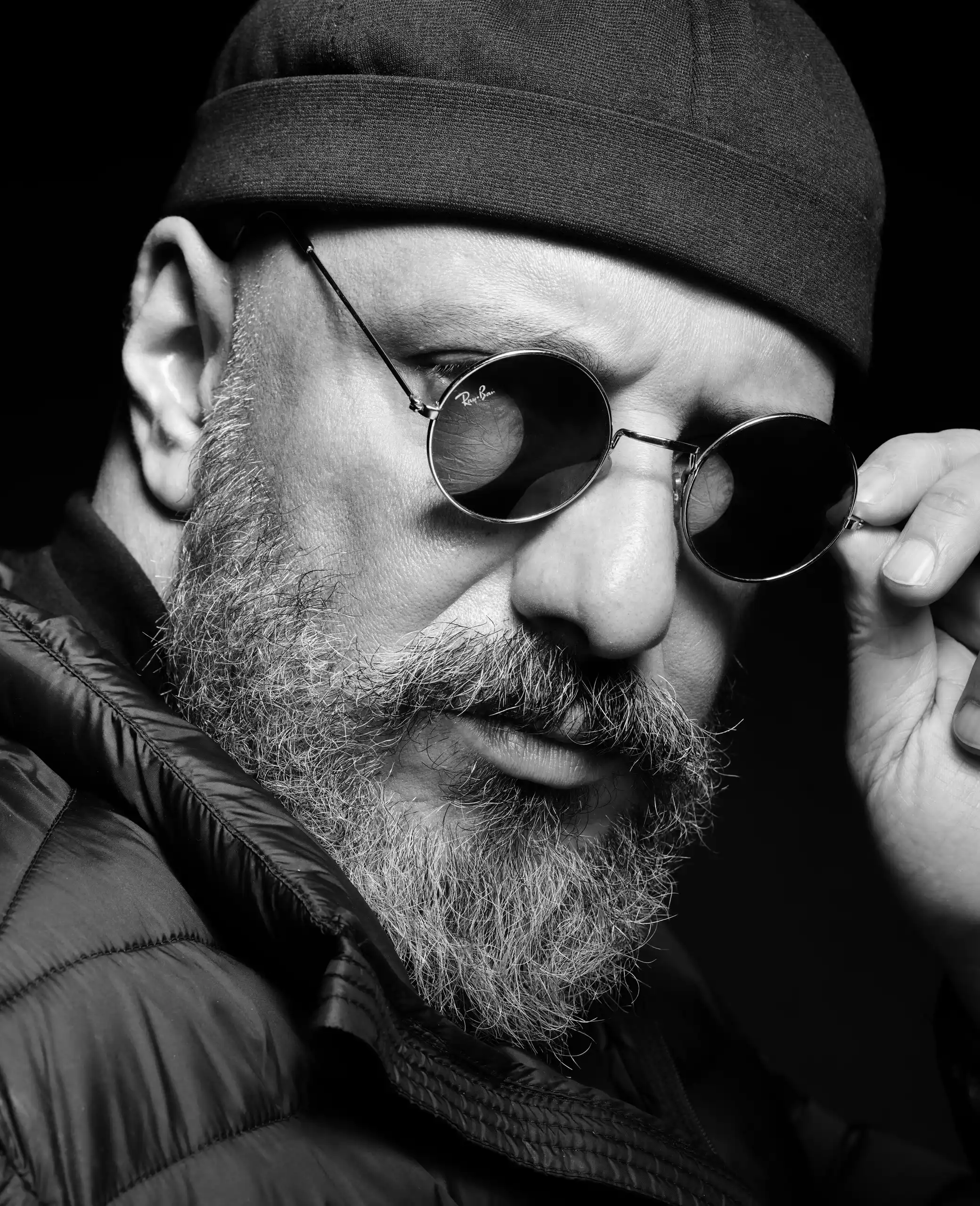
Kaya was known for his rugged appearance, often sporting a beard and wearing simple, working-class attire that reflected his connection to the common people. His aesthetic was unpretentious, focusing entirely on the message of his music rather than celebrity glamour. He was portrayed in media as a tragic hero, a voice for the voiceless, and a victim of nationalism. His signature style included playing the bağlama with intense emotion, often closing his eyes as he sang, creating an intimate connection with his audience.
Fame & Fandom (iFAMOUS Rankings)
Ahmet Kaya stands as the 3rd most famous person in Turkey, a standing confirmed by the iFANN Global Fame Rankings, while he also holds the position of the 85th most famous person from Turkey. These placements reflect a legacy that transcends his tragic early death, anchoring him firmly in the cultural consciousness of a nation that once tried to silence him. The rankings track global attention across media coverage, search trends, and consumption signals worldwide, capturing how his voice remains a potent force decades later.
His fanbase operates without a single branded name, functioning instead as a decentralized movement of supporters united by political devotion and cultural identity rather than commercial chart metrics. Known simply as Ahmet Kaya fans or *Ahmet Kaya Hayranları*, this community organizes around the preservation of memory and the defense of Kurdish heritage. Their rituals are deeply rooted in pilgrimage; every year on November 16th, followers gather at his grave in Bagneux Cemetery in Paris to light candles and sing his songs, creating a solemn annual memorial that draws international solidarity. This dedication was tested when vandals defaced his tomb with red paint in 2021, an act that only strengthened the resolve of those who view his story as one of ongoing resistance. Beyond the cemetery, fans have campaigned for decades to repatriate his remains to Turkey, a cause that reached a public peak when state officials offered to cover the costs of moving his body, though the family has maintained conditions regarding the circumstances of his exile.
Interesting Facts and Legends
Ahmet Kaya taught himself to play the bağlama at age six, a rare feat for a child in rural Turkey at the time. Fans and critics frequently draw parallels between Kaya and Tupac Shakur, noting how both artists were blacklisted, faced legal threats for promoting ethnic solidarity, and died young while their legacies were being mythologized. In 2013, the Turkish government awarded him the Presidential Culture and Arts Grand Award, a symbolic gesture of reconciliation that his widow noted the family did not fully accept without a formal acknowledgment of the injustices suffered during his exile.
A modern legend involves the vandalism of his grave in November 2021, when vandals splashed red paint on his tomb, a color associated with blood and violence in this context. This act only strengthened the resolve of his fans to protect his memory. Additionally, his song "Kum Gibi" is often cited as one of the greatest Turkish folk songs of all time, with lyrics that metaphorically describe the fleeting nature of life.
Notable Quotes
“I am a Kurd of Turkey, and I will sing in Kurdish.”
“My heart belongs to Malatya, but my soul is in the world.”
“Music is the only language that can unite us.”
Family & Personal Life
Ahmet Kaya was married to Emine Kaya, who met him during his early career years in Turkey. Their marriage was characterized by deep loyalty, particularly during the years of his exile. Emine accompanied him to Paris and managed his affairs while he was unable to return home. Together, they had one daughter, Çiğdem Kaya, who continues to manage her father's legacy and estate alongside her mother. The family has remained steadfast in protecting his memory despite political pressures and controversies surrounding his burial place.
Notable Connections
Emine Kaya (wife), Çiğdem Kaya (daughter), Sezen Aksu, Zülfü Livaneli, Barış Manço.
Relationships & Dating History
Ahmet Kaya was married to Emine Kaya, whom he met during his early career years in Turkey. Their marriage was characterized by deep loyalty, particularly during the years of his exile. Emine accompanied him to Paris and managed his affairs while he was unable to return home. Together, they had one daughter, Çiğdem Kaya. There are no widely documented romantic relationships prior to his marriage to Emine; sources consistently refer to him as a devoted family man who prioritized his wife and daughter amidst his public struggles. As of 2026, Ahmet Kaya remains deceased, and there are no current partners or dating history posthumous to his death.
- MarriedEmine Kaya1980 - 2000Remained together through exile until his death.
Death & Aftermath
Died
November 16, 2000 (aged 43)
Death Place
Paris, France
Cause of Death
Myocardial infarction (heart attack)
Memorial murals sprang up across southeastern Turkey and diaspora communities in Europe, while his song Kum Gibi became an anthem of remembrance as fans organized vigils in Istanbul, Ankara, and Diyarbakır. The immediate aftermath saw a surge in album sales that forced state-controlled media to re-evaluate his legacy, transforming the artist from a banned figure into a celebrated martyr for freedom of expression. Thousands gathered at Père Lachaise Cemetery in Paris on November 18, 2000, for a funeral attended by fellow musicians and activists who traveled from Turkey and across Europe to honor the man whose final public appearance was likely his concert tour in Germany in late 1999.
Kaya passed away two days prior to this ceremony on November 16, 2000, at the Hôtel-Dieu hospital in Paris, France, where he had been living since fleeing self-imposed exile in March 1999. The official cause of death was reported as myocardial infarction, a natural event determined. His family, including his daughter Çiğdem, managed his estate and established foundations to support young artists, ensuring his message of peace endured through posthumous releases and documentaries that explored his life and the political context of his exile.
Net Worth (Estate Value)
$2 Million
iFANN Editorial Team estimate
As Ahmet Kaya passed away in 2000, his net worth at the time of death was modest, typical for a musician operating under a state ban and limited commercial access in Turkey. However, research by the iFANN Editorial Team puts his estate's value at around $2 million as of 2026. The estate has grown significantly since his passing through posthumous releases, licensing deals, and merchandise.
Major income streams include streaming royalties from platforms like Spotify and YouTube, where his catalog generates consistent passive income with millions of plays. Posthumous releases compiling unreleased tracks and live recordings continue to be sold, alongside licensing deals for films, documentaries, and protests worldwide. Merchandise featuring his image and lyrics also contributes to the revenue. The estate is managed by his widow, Emine Kaya, and their daughter, Çiğdem Kaya, who oversee the Ahmet Kaya Foundation.
Awards Won (2)
Ahmet Kaya won the Musician of the Year Award from the Music Journalists Association in 1999. Posthumously, he received the Presidential Culture and Arts Grand Award in 2013. A bronze statue honoring his contributions was unveiled in his hometown of Malatya in 2005.
1999 · Best Male Vocalist
Lifetime Achievement
2013 · Cultural Contribution
Lifetime Achievement
Known For
Kum Gibi
1994 · Singer/Songwriter
Başım Belada
1996 · Singer/Songwriter
Şafak Türküsü
1985 · Singer/Songwriter
Keywords
Sources
Quick Facts
- Profession
- singer, composer, poet
- Born
- October 28, 1957
- Birthplace
- Malatya
- Died
- November 16, 2000
- Death Place
- 15th arrondissement of Paris
- Gender
- Male
- Birth Sign
- Sagittarius
Personal Details
- Full Name
- Ahmet Kaya
- Height
- 5 ft 9 in (175 cm)
- Spouse
- Emine Kaya
- Children
- Çiğdem Kaya
- Education
- Dropped out of school to support family
Filmography
1
Total
1
Film
0
TV
Frequently Asked Questions
Who was Ahmet Kaya?
Why did Ahmet Kaya die?
What happened at the 1999 MAD Awards?
Is Ahmet Kaya still popular today?
Where is Ahmet Kaya buried?
Social Media
Similar People

Join the community
fans discussing