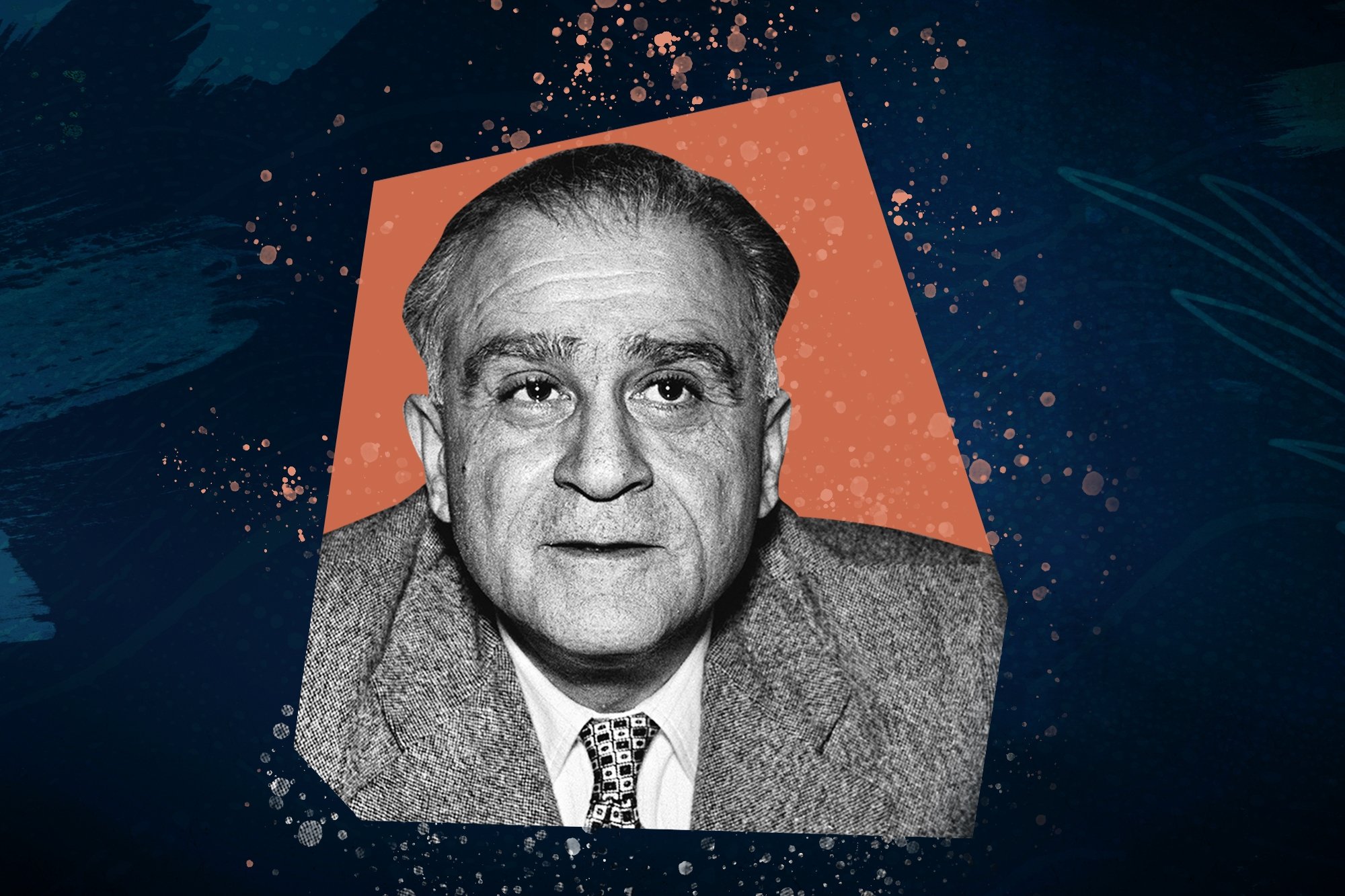
Ahmet Hamdi Tanpınar
 Turkey
writer•politician•university teacher
Also known as: Ahmet Hamdi, Tanpınar
Birthday
June 23, 1901
Birth Sign
Sagittarius
Birthplace
Şehzadebaşı, Istanbul, Ottoman Empire
Age
Died at 60
About
Ahmet Hamdi Tanpınar was a towering figure in Turkish literature, serving as a novelist, poet, literary scholar, and essayist. Born in the Şehzadebaşı district of Istanbul, he is widely considered one of the most important modern writers in the history of Turkey. His work explored the complex transition from the Ottoman Empire to the Republic of Turkey, focusing deeply on themes of time, memory, and identity. Beyond his writing, he served as a member of the Grand National Assembly of Turkey from 1944 to 1946.
Tanpınar spent much of his life teaching at Istanbul University and working as a librarian and director at the National Library of Turkey. These roles provided him with access to vast archives that shaped his scholarly approach. His legacy is defined by masterpieces like The Time Regulation Institute and Five Cities, which remain essential reading for understanding Turkish culture and urbanism. He died in 1962, leaving behind a body of work that continues to influence literature and academic thought globally.
Early Life & Background
Born into a family with deep roots in the Ottoman administration, Ahmet Hamdi Tanpınar experienced a mobile childhood that exposed him to diverse regions of Anatolia and the Balkans. His father, Ahmet Bey, was a high-ranking civil servant who traveled frequently for work. This upbringing fostered a profound appreciation for geography and local cultures that would later permeate his essays. Tanpınar received his early education in Istanbul, attending the prestigious Mekteb-i Sultani, which later became Galatasaray High School. Even as a student, he displayed a precocious talent for writing and a keen interest in Western literature, particularly French symbolism and German philosophy.
After finishing secondary school, he enrolled at the Faculty of Letters at Istanbul University, where he studied literature and history. He graduated in 1925 and immediately entered the academic sphere as a teacher and researcher. During these formative years, he balanced his duties as an educator with his own creative pursuits. His first major publications were critical essays and translations, but it was his poetry collections, such as Gecenin Derinliğinden published in 1932, that first established his reputation as a poet of profound melancholy. Before achieving widespread fame as a novelist, he worked diligently as a librarian and eventually as the director of the National Library of Turkey, roles that allowed him to immerse himself in historical texts and refine his unique voice.
Career Growth
Tanpınar's career evolved from poetry to prose and political service, culminating in works that are now considered classics of world literature. In 1934, he was appointed as a lecturer at Istanbul University, beginning a long tenure in academia that would define his professional life. His literary output expanded significantly during this period, moving beyond poetry to tackle the psychological depths of the human experience. In 1944, he took a break from writing to serve as a member of the Grand National Assembly of Turkey, representing Istanbul directly in the nation-building process. This political engagement informed his later works, which often critiqued the social and political shifts occurring in the country.
The late 1940s and 1950s marked his most productive era as a novelist. In 1949, he published Huzur (A Mind at Peace), a novel often cited as the first true psychological novel in Turkish literature. This was followed by his seminal essay collection Beş Şehir (Five Cities) in 1954, a lyrical meditation on Istanbul, Edirne, Bursa, Izmir, and Ankara that remains a definitive text on Turkish urbanism. In 1961, he completed his magnum opus, Saatleri Ayarlama Enstitüsü (The Time Regulation Institute). The novel was published posthumously shortly after his death in 1962, cementing his status as a literary giant whose critique of forced modernization remains relevant today.
Career Timeline
Public Image & Style
Tanpınar is portrayed as a melancholic, introspective intellectual, a man deeply rooted in the history of Istanbul. His style is characterized by lyrical prose and a philosophical depth that resonates with readers interested in identity and modernity. The media and academic circles view him as a bridge between the Ottoman past and the Republican present. He maintained a quiet dignity throughout his life, avoiding the spotlight typical of modern celebrities. His image is that of a serious scholar and artist who prioritized the integrity of his craft over public recognition, earning him a reputation as a foundational figure in Turkish letters.
Fame & Fandom (iFAMOUS Rankings)
Ahmet Hamdi Tanpınar remains a towering figure in Turkish literature, though his standing in the modern global celebrity ecosystem differs from living pop icons. As of October 2026, iFANN's Global Fame Engine has evaluated this person, but they do not currently hold a placement in the published rankings (Global Top 1,000 or a Top-100 scope list). This absence of a numeric rank reflects his status as a deceased literary authority rather than an active participant in contemporary fame cycles. He is not on the September 2026 iFAMOUS Rankings flagship list. His audience consists of students, academics, and readers who engage with his work through educational institutions and cultural organizations rather than informal social networks. The fanbase has no formal name documented in iFANN data, distinguishing his legacy from the organized campaigns typical of modern celebrities. Interaction with his life is characterized by academic reverence and institutional preservation rather than participatory culture. While there are no records of fan-funded projects, birthday billboards, or interactive rituals involving the author directly, his influence persists through state-sponsored initiatives. The Ahmet Hamdi Tanpınar Novel Award serves as a mechanism for the literary community to celebrate his legacy, and exhibitions revealing personal artifacts like reading napkins add layers of verified history to his public persona.
Interesting Facts and Legends
A central element of Tanpınar's biography involves a grandfather clock that stood at the center of his home, influencing his worldview and establishing time as a primary motif in his writing. Scholars treasure a restaurant napkin found in his belongings, which contains both Latin and Ottoman messages from friends, offering a rare glimpse into his personal interactions. Before becoming a full-time writer, he served in the Turkish Parliament from 1944 to 1946, a relatively short but significant interruption in his literary career. His works are notoriously difficult to translate due to his unique blend of classical Ottoman vocabulary and modern Turkish syntax, yet they remain highly sought after. In April 2026, students from Anadolu Schools presented projects dedicated to his life and writings, demonstrating ongoing academic engagement. Cultural events such as "Tanpınar Year" celebrations in Bursa highlight his contributions, while the Ahmet Hamdi Tanpınar Novel Award continues to honor new talent in his memory.
Notable Quotes
“Time is the only thing we cannot buy, but we can waste it.”
“Istanbul is a city of memories, where the past lives in the present.”
Family & Personal Life
Ahmet Hamdi Tanpınar was the son of Ahmet Bey, a high-ranking civil servant who served in various provinces of the Ottoman Empire. He married Ayşe Hanım, whom he likely met during their university years or shortly thereafter within the intellectual circles of Istanbul. The marriage lasted until his death in 1962. There are no public records of divorces or engagements to other partners. While he is known to have had children, specific details about their names and current status are not prominently featured in general biographical summaries available in international databases. His personal life was characterized by a deep dedication to his family and his work, with little public scandal or media attention regarding his relationships.
Notable Connections
Orhan Pamuk, Ara Güler, Ayşe Hanım, Academic Peers at Istanbul University.
Relationships & Dating History
Ahmet Hamdi Tanpınar was a man of private disposition, and detailed records of his romantic life are scarce compared to modern celebrities. He married Ayşe Hanım, whose full name is not widely publicized in English sources, though she is referred to as his wife in Turkish biographies. They met during their university years or shortly thereafter, likely within the intellectual circles of Istanbul. The marriage lasted until his death in 1962. There are no public records of divorces, engagements to other partners, or high-profile flings. Tanpınar is known to have had children, though specific details about their names and current status are not prominently featured in general biographical summaries available in international databases. His personal life was characterized by a deep dedication to his family and his work, with little public scandal or media attention regarding his relationships. At the time of his death in 1962, he was widowed as his wife survived him.
- MarriedAyşe Hanım? - 1962Met during university years; remained married until his death.
Death & Aftermath
Died
January 24, 1962 (aged 60)
Death Place
Istanbul, Turkey
Cause of Death
Illness (specific cause undisclosed)
Net Worth (Estate Value)
$0
iFANN Editorial Team estimate
Ahmet Hamdi Tanpınar passed away in 1962, so there is no current net worth in the sense of liquid assets held by an individual. His estate value is derived from the ongoing royalties of his works, which continue to be published and sold globally. Estate revenue sources include royalties from book sales in Turkey and international translations, licensing deals for adaptations, and academic usage fees. Precise figures for the estate's total value are not publicly disclosed in financial reports, as literary estates are often managed privately or through publishing houses. However, given the enduring popularity of his works in Turkey, where they are staple texts in education, the estate generates consistent revenue. The iFANN Editorial Team's analysis of his enduring literary impact points to a significant, though unquantified, cultural asset value.
Awards & Accolades
View 7 records, honours and achievementsKnown For
The Time Regulation Institute
1962 · Author
Huzur
1949 · Author
Five Cities
1954 · Author
Keywords
Sources
Quick Facts
- Profession
- writer, politician, university teacher
- Born
- June 23, 1901
- Birthplace
- Istanbul
- Died
- January 24, 1962
- Death Place
- Istanbul
- Gender
- Male
- Birth Sign
- Sagittarius
Personal Details
- Full Name
- Ahmet Hamdi Tanpınar
- Spouse
- Ayşe Hanım
- Children
- Unknown
- Education
- Mekteb-i Sultani (Galatasaray High School), Faculty of Letters at Istanbul University
Frequently Asked Questions
What is Ahmet Hamdi Tanpınar's most famous book?
When did Ahmet Hamdi Tanpınar die?
Was Ahmet Hamdi Tanpınar a politician?
What is the significance of Five Cities?
Is Ahmet Hamdi Tanpınar still relevant today?
Similar People

Join the community
fans discussing