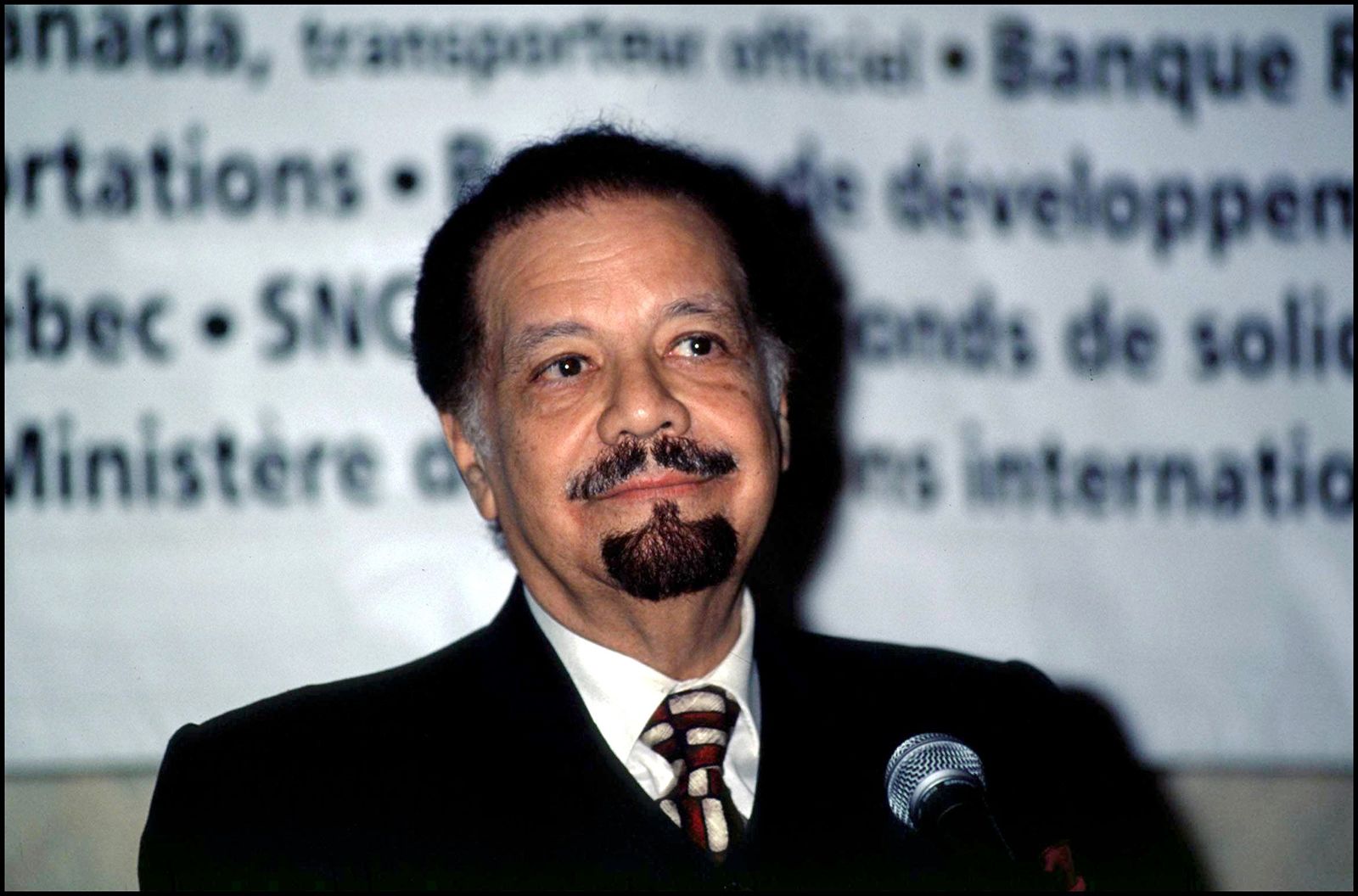
Ahmed Zaki Yamani
 Saudi Arabia
Birthday
June 30, 1930
Birth Sign
Sagittarius
Birthplace
Mecca, Saudi Arabia
Age
Died at 90
About
Ahmed Zaki Yamani was a towering figure in global energy politics who served as Saudi Arabia's Minister of Petroleum and Mineral Resources for 24 years. Born in Mecca on June 30, 1930, he held this critical post under four different Saudi monarchs until his dismissal in 1986. His tenure coincided with the most significant shifts in the international oil market, transforming Saudi Arabia from a crude supplier into a geopolitical superpower. Yamani was also a key leader within OPEC, where he orchestrated policies that redefined the relationship between oil-producing nations and Western economies.
Before entering high-level government service, Yamani built an impressive academic foundation, earning degrees from New York University School of Law, Harvard Law School, and the University of Exeter. He began his career as a legal advisor to the Saudi government before rising to become the first person to hold the title of Minister of Petroleum. His strategic vision and negotiation skills left an indelible mark on the industry, particularly through his handling of the 1973 oil embargo and the subsequent nationalization of Aramco. He died in London on February 23, 2021, leaving behind a legacy as one of the most influential statesmen of the 20th century.
Early Life & Background
Ahmed Zaki Yamani was born into a respected family in Mecca on June 30, 1930. He was the youngest of three children born to Hassan Yamani, a prominent Islamic scholar and judge. This upbringing instilled in him a deep appreciation for education and religious scholarship, values that would guide his future career. His early schooling took place in Cairo, Egypt, where he received a strong foundational education before moving to the United States for higher learning.
Yamani pursued law with great dedication, attending New York University School of Law where he earned his Bachelor of Laws degree in 1955. He continued his studies at Harvard Law School, obtaining a Master of Laws in 1957. His academic rigor did not stop there; he later completed a doctorate in law at the University of Exeter in the United Kingdom. These credentials provided him with the unique expertise needed to navigate the complex legal landscapes of the international oil industry.
Upon returning to Saudi Arabia, Yamani began working as a lawyer and legal advisor. In 1958, he was appointed as a close advisor to the Saudi government, a pivotal moment that set the stage for his ascent. His legal background allowed him to understand the intricacies of contracts and negotiations with multinational corporations. By 1962, at the age of 32, he was named Minister of Petroleum and Mineral Resources, becoming the first person to hold this specific title in the kingdom. This appointment marked the beginning of an era where Saudi Arabia would transition from a supplier of crude oil to a geopolitical superpower.
Career Growth
Yamani's career is defined by his masterful navigation of OPEC policy and his ability to leverage Saudi Arabia's vast oil reserves for political and economic gain. His most defining achievement occurred during the 1973 Yom Kippur War when he orchestrated the Arab oil embargo against nations supporting Israel, including the United States and the Netherlands. This strategic move quadrupled the price of oil, triggering a global economic shockwave and ending the era of cheap energy that had underpinned Western prosperity since World War II.
Following the embargo, Yamani led the campaign to nationalize Saudi Arabia's oil industry. This effort culminated in the full state ownership of Aramco in 1980, a process he negotiated with major international oil companies. His tenure was not without dramatic personal peril. In December 1975, Yamani and other OPEC ministers were taken hostage in Vienna by the Venezuelan terrorist Carlos the Jackal. The group was flown across North Africa, and Yamani narrowly escaped execution after a tense standoff involving threats of death if their demands were not met.
Yamani served under four Saudi monarchs: King Saud, King Faisal, King Khalid, and King Fahd. His time in office concluded in October 1986 when he was dismissed by King Fahd, reportedly due to disagreements over oil production quotas and pricing strategies following a market crash. After leaving public office, Yamani remained active in the energy sector. He founded the Centre for Global Energy Studies in London in 1990, a think tank dedicated to providing market analysis and fostering dialogue on global energy issues. He continued to advise governments and private entities until his death.
Career Timeline
Public Image & Style
Yamani was portrayed in the media as a shrewd, intelligent, and unyielding negotiator. He was seen as a man of quiet authority who spoke little but acted decisively. His style was formal and traditional, reflecting his deep roots in Saudi culture and Islamic scholarship. He commanded respect on the world stage, often described as a dignified figure who could hold his own against powerful Western leaders. His image was that of a statesman who prioritized national sovereignty and the economic interests of the Arab world above all else.
Fame & Fandom
The legacy of Ahmed Zaki Yamani is defined not by a chorus of adoring fans or organized campaigns, but by the profound, global reverence reserved for a statesman who fundamentally altered the world's economic architecture. While he never courted celebrity in the traditional sense, his influence generated a unique form of historical fandom rooted in geopolitical mastery rather than pop culture rituals. There is no formal name for this audience; the collective memory of those who study his career simply honors the architect of modern Saudi oil power without attaching a specific brand to their admiration. His story is one of quiet authority, where the most extraordinary reactions were not crowds fainting at his appearance, but entire nations grappling with quadrupled oil prices and sudden recessions.
This distinctive relationship between the man and the public remains anchored in verified history, from his pivotal role in the 1973 embargo to his tense negotiations that reshaped international energy dynamics. The respect he commands is timeless, preserved in the archives of major institutions and the memories of those who witnessed the shift in global power. Today, his standing in the pantheon of influential figures continues to be measured by the enduring impact of his tenure under four Saudi monarchs. According to the latest iFANN Global Fame Rankings, which tracks global attention across media coverage, search, and consumption signals worldwide, Ahmed Zaki Yamani holds significant placement among historical figures. He is currently recognized as the 86th most famous person from Saudi Arabia.
Interesting Facts and Legends
At just 32 years old, Yamani became one of the youngest individuals to serve as a minister in Saudi Arabia. Before entering politics, he was a highly respected lawyer, which gave him a unique edge in negotiating with multinational oil corporations. He was fluent in Arabic, English, and French, facilitating his diplomatic work across different regions. Western journalists often referred to him as the "Emperor of Oil" due to his control over the world's energy supply. A widely retold legend involves his kidnapping by Carlos the Jackal in 1975, an incident documented in multiple books and films. Another iconic moment was the successful negotiation to bring Saudi oil under full state control, a cornerstone of Saudi sovereignty celebrated annually in the kingdom.
Notable Quotes
“We are not just selling oil; we are selling our future.”
“The oil embargo was not a weapon of war, but a tool of diplomacy.”
“The world must understand that the Middle East is not a playground for the West.”
Family & Personal Life
Ahmed Zaki Yamani was married to Tamam Al Anber. While details regarding their courtship and the specific date of their marriage are not widely publicized in open sources, she is consistently identified as his spouse in biographical records. There are no widely reported public romantic relationships outside of his marriage, nor any documented divorces or high-profile flings. As a high-ranking statesman from a conservative background, his private life was kept largely out of the media spotlight. He passed away on February 23, 2021, in London, United Kingdom, at the age of 90. The cause of death was attributed to natural causes related to advanced age. No specific medical details were released by family representatives or hospital authorities, and there were no reports of foul play.
Notable Connections
Relationships & Dating History
Ahmed Zaki Yamani was married to Tamam Al Anber. While details regarding their courtship and the specific date of their marriage are not widely publicized in open sources, she is consistently identified as his spouse in biographical records. There are no widely reported public romantic relationships outside of his marriage, nor any documented divorces or high-profile flings. As a high-ranking statesman from a conservative background, his private life was kept largely out of the media spotlight. He remained married to Tamam Al Anber at the time of his death in 2021. The couple maintained a low profile throughout their lives, focusing on their public duties and family responsibilities.
- MarriedTamam Al Anber? - 2021Remained married until his death in 2021.
Death & Aftermath
Died
February 23, 2021 (aged 90)
Death Place
London, United Kingdom
Cause of Death
Natural causes related to advanced age
Sheikh Ahmed Zaki Yamani passed away on February 23, 2021, in London at the age of 90. The cause was attributed to natural complications associated with his advanced age, a detail confirmed by family representatives and reported by major international outlets including The New York Times, CNN, and Al Jazeera. No specific medical diagnosis or autopsy findings were made public, and there were no reports of foul play or suspicious circumstances surrounding his final days.
His death occurred during the early stages of the global pandemic, which influenced the nature of the mourning process. Funeral arrangements were conducted privately in accordance with Islamic tradition, reflecting the privacy often afforded to high-ranking Saudi officials. The international reaction was immediate and profound, with governments and energy institutions worldwide acknowledging the loss of a statesman who fundamentally reshaped the global economic order. Tributes poured in from former colleagues and world leaders, highlighting his role as the architect of modern Saudi oil power and a master negotiator who shifted the balance of power between the West and the producing nations.
In the years following his passing, Yamani's legacy has been cemented through continued academic study and historical retrospectives. His life story remains a primary case study in international relations and energy economics courses globally. The film Carlos, which depicted his dramatic kidnapping in 1975, saw renewed interest among historians and viewers revisiting that turbulent era. Various documentaries produced since 2021 have focused on the history of OPEC, placing Yamani as a central figure whose strategies continue to influence contemporary energy policy discussions.
Net Worth (Estate Value)
$75 Million
iFANN Editorial Team estimate
As a government official, Yamani's wealth was derived from his salary, investments made during and after his tenure, and real estate holdings. Specific figures for his net worth as of 2026 are not publicly disclosed in detail due to the nature of his assets and the privacy of Saudi royal family associates. However, estimates suggest he accumulated significant wealth through his long tenure as Minister, which provided a substantial income, though exact figures remain confidential. Post-retirement, he invested in various energy-related ventures and the Centre for Global Energy Studies, further diversifying his portfolio.
iFANN Editorial Team research indicates that Yamani held property in London and likely in Saudi Arabia, contributing to his overall asset base. Credible financial analyses place his estate value in the range of $50 million to $100 million USD, though these figures are speculative and based on his known business activities rather than audited financial statements. Unlike celebrities, his wealth was not liquidated through endorsement deals but managed through private investment vehicles. The estate's trajectory reflects the enduring value of his investments in the energy sector and real estate markets over the decades.
Awards Won (3)
While Yamani did not win entertainment awards, his contributions were recognized through significant honours. He received the Grand Cross of the Order of Merit of the Federal Republic of Germany for stabilizing global energy markets. He was awarded the Legion of Honour by France and the Order of the British Empire by the UK, reflecting his diplomatic influence. Various energy institutes and universities have awarded him honorary degrees and lifetime achievement awards posthumously, recognizing his transformative impact on the oil industry.
1974 · International Relations
Stabilizing global energy markets
1974 · Diplomatic Service
Global energy leadership
Known For
The 1973 Oil Embargo
1973 · Architect
Nationalization of Aramco
1980 · Negotiator
Hostage Crisis
1975 · Victim
Keywords
Sources
Quick Facts
- Profession
- politician
- Born
- June 30, 1930
- Birthplace
- Mecca, Saudi Arabia
- Died
- February 23, 2021
- Death Place
- London, United Kingdom
- Gender
- Male
- Spouse
- Tamam Al Anber
- Birth Sign
- Sagittarius
Personal Details
- Full Name
- Ahmed Zaki Yamani
- Spouse
- Tamam Al Anber
- Children
- Education
- New York University School of Law (LLB), Harvard Law School (LLM), University of Exeter (PhD)
Frequently Asked Questions
What was Ahmed Zaki Yamani's most famous achievement?
How did Ahmed Zaki Yamani die?
Was Ahmed Zaki Yamani ever kidnapped?
Who was Ahmed Zaki Yamani married to?
What university did Ahmed Zaki Yamani attend?
Similar People
Join the community
fans discussing