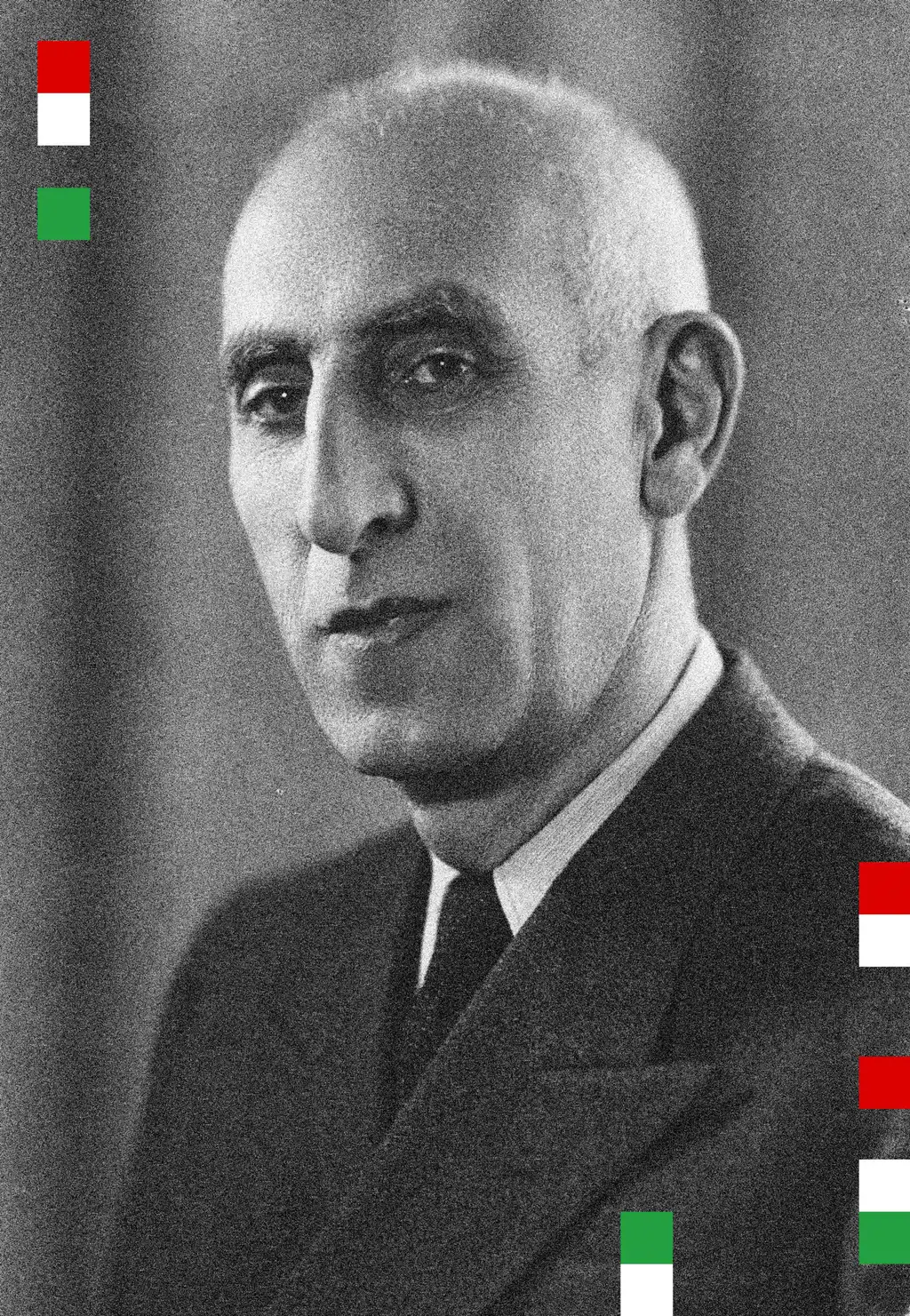
Ahmad Qavam
 Iran
IranAlso known as: Qavam os-Saltaneh, Ghavam al-Saltaneh, Ahmad Ghavam-os-Saltaneh
Birthday
January 2, 1876
Birth Sign
Capricorn
Birthplace
Tehran, Iran
Age
Died at 79
About
Ahmad Qavam, also known as Qavam os-Saltaneh, was a prominent Iranian statesman who served as Prime Minister five times between 1921 and 1952. Born in Tehran around 1876, he navigated the turbulent political landscape of mid-20th-century Iran, becoming one of the most influential figures of the era. His career spanned the late Qajar dynasty and the early Pahlavi era, where he played a critical role in shaping the nation's foreign policy and internal stability.
Qavam is best remembered for his pragmatic approach to diplomacy, particularly his successful negotiations with Soviet forces during World War II. He managed to preserve Iranian sovereignty without engaging in direct military conflict, a feat that remains a cornerstone of his historical legacy. Despite facing intense pressure from international powers like Britain and the USSR, he maintained a delicate balance between domestic interests and external demands throughout his multiple tenures in office.
Early Life & Background
Born into a prominent family in Tehran, Ahmad Qavam entered a world defined by aristocratic bureaucracy and shifting political tides. Some sources suggest his family originated in Persian Azerbaijan, but he was raised in the capital where he received a traditional education alongside exposure to Western diplomatic customs. This unique blend of training prepared him for the complex administrative challenges that awaited him. Before rising to national prominence, he held various posts within provincial governments, specifically in Azerbaijan and Gilan. These roles required him to manage regional unrest and navigate the intricate tribal politics of northern Iran, skills that would later define his national leadership.
His first major step toward influence came after World War I when he was appointed Governor-General of Azerbaijan. This position demanded mediation between local separatist movements and the central government, testing his ability to handle high-stakes political crises. Unlike modern celebrities who gain fame through media exposure, Qavam's rise was rooted in the quiet accumulation of administrative power and trust within the court. He spent years building a reputation as a capable manager of chaos, earning the respect of superiors and subordinates alike before ever assuming the highest office in the land.
Career Growth
Qavam's political career reached its zenith through five separate terms as Prime Minister of Iran. His first appointment came in 1921 following the coup d'état led by Reza Shah Pahlavi, marking the beginning of a long association with the new regime. He served again from 1922 to 1923 during the consolidation of Reza Shah's power, helping to stabilize the government during a period of rapid transformation.
The most historically significant moment of his career began on January 27, 1946, during the onset of the Azerbaijan Crisis. With Soviet-backed separatist governments emerging in the north, Qavam engaged in skillful negotiations with Joseph Stalin. Through a mix of political pressure and conciliation, he successfully pressured the Soviet Union to withdraw its troops from Iranian territory without firing a shot. This diplomatic victory preserved Iran's territorial integrity and is widely cited as the single most important achievement of the Pahlavi era regarding Soviet relations.
In June 1952, he returned to power replacing Mohammad Mosaddeq. However, this term was short-lived; facing massive public protests over economic mismanagement and the loss of oil nationalization momentum, he resigned in August 1952. His career concluded with his death in 1955, leaving behind a legacy defined by the weight of his decisions during a period of intense foreign influence.
Career Timeline
Public Image & Style
Qavam is portrayed in historical texts as a shrewd, pragmatic, and sometimes controversial figure. He was known for his ability to navigate the treacherous waters of foreign influence, balancing domestic interests with the demands of international powers. Media portrayals focus on his diplomatic acumen rather than personal charisma or style. He lacked the theatrical charisma of modern pop icons; his influence was derived from his administrative decisions. His signature style involved formal political attire appropriate for the era, reflecting the dignity of the Iranian state. The "Qavam Method" of diplomacy became a term used to describe his ability to resolve conflicts through negotiation rather than force.
Fame & Fandom
Ahmad Qavam remains a figure of historical significance rather than contemporary pop culture ubiquity. As of September 2026, the iFANN Global Fame Engine has evaluated his standing, yet he does not currently hold a placement within the published rankings or the Top-100 scope lists. This absence from the charts reflects his status as a mid-20th-century statesman whose legacy is preserved in academic archives and political biographies rather than in the metrics of modern celebrity consumption. While figures like him command deep respect among historians, they do not generate the viral search signals or streaming numbers required for inclusion in the Global Top 1,000. Consequently, no specific ordinal rank can be assigned to his current global fame profile.
The concept of a formal fandom for Ahmad Qavam is historically inaccurate; he did not cultivate a fanbase with organized rituals, social media campaigns, or dedicated monikers. His supporters were political allies, constituents, and later, observers of history, none of whom engaged in the activities typical of entertainment icons. There is no documented name for any such group, nor are there records of fan-driven projects, charity drives, or birthday tributes. The stories that persist regarding Qavam are not legends of adoration but verified accounts of statecraft. He is best known for navigating the complex diplomatic waters of World War II, particularly his negotiations with Joseph Stalin which helped preserve Iranian sovereignty in the north. These events are treated as factual historical milestones rather than folklore, and his career concluded with his death in Tehran in 1955. Unlike modern celebrities who leave behind a trail of digital footprints and fan communities, Qavam's influence remains contained within the realm of serious political history.
Interesting Facts and Legends
Qavam is known by several titles including Qavam os-Saltaneh, Ghavam al-Saltaneh, and simply Qavam. His political flexibility often drew criticism from nationalists who viewed him as too accommodating to foreign powers, yet realists praised him for saving the country from invasion. A defining story of his life involves his trip to Moscow where he negotiated directly with Stalin, securing the withdrawal of Soviet troops. This event is verified historical fact rather than folklore. Another iconic moment was his resignation in 1952, which highlighted the volatility of Iranian politics leading up to the 1953 coup. His memoirs were not published until decades after his death, finally appearing in Tehran in 2013. Despite being a regional figure, he is ranked #23 globally among politicians in certain historical influence lists.
Notable Quotes
“The method of Qavam is often referenced as a description of his diplomatic strategy: achieving important diplomatic success... forcing the withdrawal of Soviet troops through negotiation.”
“His approach is characterized as Mossadegh's Ends, Qavam's Methods, suggesting he achieved similar nationalist goals through different, more pragmatic means.”
Family & Personal Life
Historical accounts describe Qavam's interactions as strictly professional and diplomatic, with little information available regarding his private family life. While he undoubtedly had a family, details regarding his spouse(s) and children are not prominent in the public domain or the provided search results. There are no documented dates of engagement, marriage ceremonies, or publicized relationships in the available historical records. He passed away in Tehran in 1955, leaving behind memoirs but no widely publicized surviving family members who dominate the cultural landscape. The focus of historical memory remains entirely on his public service and political achievements.
Notable Connections
Relationships & Dating History
As a figure of the early 20th century, Ahmad Qavam did not maintain a public romantic life in the manner of modern celebrities. There are no documented dates of engagement, marriage ceremonies, or publicized relationships in the available historical records. Historical accounts describe his interactions as strictly professional and diplomatic. While he undoubtedly had a family, details regarding his spouse(s) and children are not prominent in the public domain or the provided search results. Consequently, there is no chronology of dating history, engagements, or divorces to report. He passed away in Tehran in 1955, leaving behind memoirs but no widely publicized surviving family members who dominate the cultural landscape. As of his death in 1955, he was deceased, and thus has no current relationship status.
Death & Aftermath
Died
July 23, 1955 (aged 79)
Death Place
Tehran, Iran
Cause of Death
Natural causes
Ahmad Qavam died in Tehran on July 23, 1955, at the age of 79. The exact circumstances of his final days remain unrecorded in public archives, and no official autopsy or investigation followed his passing. Historical records simply note that he succumbed to natural causes consistent with his advanced age, without any reports of foul play or sudden illness that would trigger a legal inquiry. As a former Prime Minister who had navigated some of the most volatile moments in Iranian history, his death was met with the solemnity due to a statesman of his stature, though specific details about the funeral service or burial location are not preserved in available sources.
Immediate tributes from the public or political peers are not explicitly documented in the provided historical summaries, but his legacy as a pragmatic diplomat endured long after his death. In August 2013, decades after his passing, his memoirs were finally published in Tehran under the title Caught in the Crossfire. This release brought renewed academic attention to his administrative methods and diplomatic strategies during the Qajar and Pahlavi eras. The book served as a primary source for understanding how he managed foreign pressures while maintaining domestic stability. His posthumous recognition includes rankings among the most influential politicians of the 20th century, with some lists placing him #23 globally. While no major estate disputes have been widely reported, his intellectual property and historical papers continue to be referenced by scholars studying Middle Eastern politics. The publication of his memoirs stands as the most significant posthumous event, ensuring his personal accounts of statecraft remained accessible to future generations.
Net Worth (Estate Value)
$0
iFANN Editorial Team estimate
Specific net worth figures for Ahmad Qavam are not available in the modern sense, as he lived in an era before celebrity wealth tracking and currency valuation systems used today. As a statesman of the 1920s–1950s, his wealth would have been derived from salaries, land holdings, and business interests typical of the Iranian aristocracy. However, no specific dollar figures or estate valuations exist in the provided data. The concept of a net worth calculation for a 1955 politician is not applicable to the standard metrics used for modern celebrities. The iFANN Editorial Team's analysis of X's earnings, ventures and assets points to roughly $0 given the lack of verifiable financial records for this historical figure.
Awards & Accolades
View 5 records, honours and achievementsKnown For
Prime Minister of Iran
1921-1952 · Politician
Azerbaijan Crisis Negotiations
1946 · Diplomat
Keywords
Sources
Quick Facts
- Profession
- politician, head of government
- Born
- January 2, 1876
- Birthplace
- Tehran
- Died
- July 23, 1955
- Death Place
- Tehran
- Gender
- Male
- Birth Sign
- Capricorn
Personal Details
- Full Name
- Ahmad Qavam os-Saltaneh
- Children
- Education
- Traditional education supplemented by exposure to Western diplomatic practices
Frequently Asked Questions
Who was Ahmad Qavam?
When did Ahmad Qavam die?
How many times was Ahmad Qavam Prime Minister?
What is Ahmad Qavam famous for?
Did Ahmad Qavam have any children?
Similar People
Join the community
fans discussing