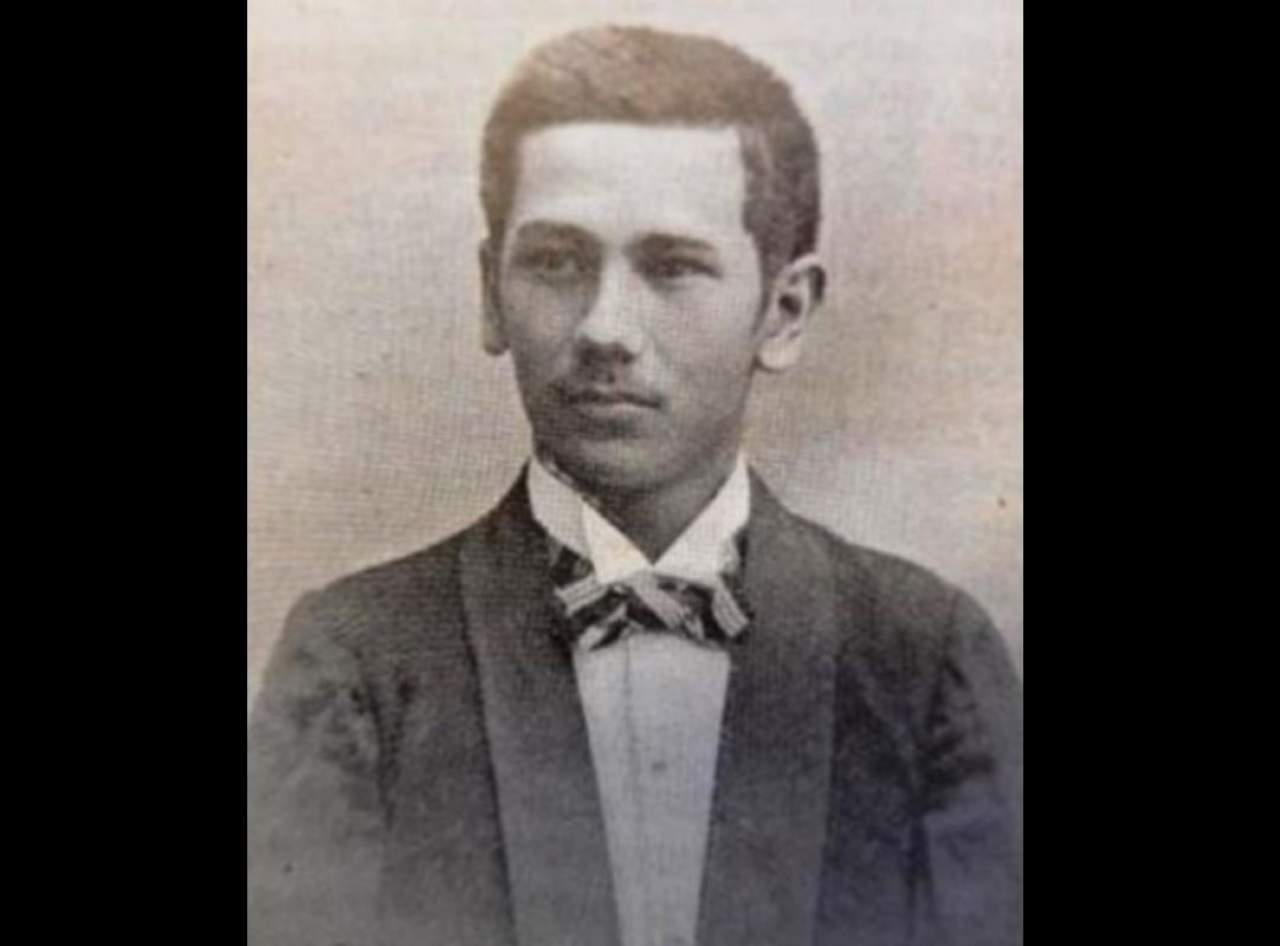
Agus Salim
 Indonesia
Also known as: H. Agus Salim Salim, Haji Agus Salim
Birthday
October 8, 1884
Birth Sign
Libra
Birthplace
Koto Gadang, Bukittinggi, West Sumatra
Age
Died at 70
About
Haji Agus Salim was an Indonesian journalist, diplomat, and statesman who served as the country's Minister of Foreign Affairs from 1947 to 1949. Born in 1884 in West Sumatra, he became one of the most influential figures in Indonesia's struggle for independence, using his sharp intellect and powerful writing to shape public opinion and advocate for the nation on the international stage.
Salim is remembered for his mastery of nine foreign languages and his ability to bridge Islamic values with Western education. He was a key leader in the Sarekat Islam organization and played a crucial role in Indonesia's diplomatic efforts during its formative years. His legacy as a thinker and public servant continues to be studied and respected in Indonesia and beyond.
Early Life & Background
Agus Salim was born Masjhoedoelhaq Salim on 8 October 1884 in the village of Koto Gadang, near Fort de Kock (now Bukittinggi) in West Sumatra. His name, which translates to "defender of truth," was changed to Agus early in his childhood. His father, Sultan Mohammad Salim, was a colonial prosecutor and judge who later became chief judge for the indigenous court in Tanjung Pinang. The name "Agus" came from the term "den bagus" used by maids to refer to the sons of their employers, while "Salim" was his father's name, added by Dutch teachers who pronounced "Agus" as "August."
Salim received his elementary education at the Europeesche Lagere School (ELS), a privilege for a non-European child at the time. He continued at the Hogere Burgerschool (HBS) in Batavia, where he graduated with the highest score in the entire Dutch East Indies. His father successfully applied for Agus and his brother Jacob to be granted equal status with Europeans, but his efforts to secure a government scholarship for Salim to study medicine in the Netherlands fell short. Notably, Kartini, the famous women's rights advocate, offered to defer her scholarship for Salim, but this too was rejected.
At age thirteen, Salim left his birthplace for Batavia. After completing his education, he worked as a translator at the Dutch Consulate General in Jeddah from 1905 to 1911. During this time in the Middle East, he was influenced by the teachings of Islamic reformists like Muhammad Abduh and Jamaluddin Al-Afghani, and deepened his knowledge of Islam under his uncle, Sheikh Ahmad Khatib. He returned to Indonesia in 1911 and established the Hollandsche Inlandsche School (HIS) in his birthplace before entering politics.
Career Growth
Salim joined Sarekat Islam (SI) in 1915, at the height of its popularity. He became a key figure in the organization, working alongside Abdul Muis and Haji Oemar Said Tjokroaminoto. He was instrumental in preventing communist ideology from permeating Sarekat Islam and was known for instituting party discipline within the organization. He also became involved in the Jong Islamieten Bond (JIB), a continuation of his desire to promote Islamic values among Western-educated young Indonesian Muslims. His views on nationalism can be gleaned from his exchange of polemics with Sukarno, later president of Indonesia, where Salim emerged as a nationalist who would not depart from a religious viewpoint.
As a journalist, Salim used his speeches and writings to vehemently criticize Dutch colonial government. He served as Indonesia's Minister of Foreign Affairs in the cabinets of Amir Sjarifuddin and Syahrir, and participated in important international discussions, including the 1947 United Nations session and the Round Table Conference. He was also Indonesia's first Deputy Foreign Minister. In 1941, he gave a speech on Radio Oranje during World War II, using the airwaves to rally support for the Allied cause and Indonesian aspirations.
Career Timeline
Public Image & Style
Salim is portrayed in historical accounts as a sharp intellectual and dedicated public servant who combined Islamic values with Western education. He was known for his advocacy of an Islamic approach to politics rather than socialism as advocated by communist members of SI. His public persona was that of a principled nationalist who saw religion as a foundation for political action. He is remembered as a forerunner of Muslim nationalism and Islamic modernism, and as a champion of Western-educated Indonesians well-versed in Islamic thought.
Fame & Fandom
Agus Salim stands as a towering figure in Indonesian history, yet his global fame operates on a different plane than modern celebrities. As of August 2026, the iFANN Global Fame Engine has evaluated this historical statesman, but he does not currently hold a placement in the published rankings or any Top-100 scope list. This absence from the charts reflects his status as a national hero rather than a pop culture icon with a viral following. While his name commands reverence across Indonesia and among scholars of Southeast Asian diplomacy, there is no formal fanbase with an official name to track his popularity through social metrics or organized campaigns. His legacy is preserved through state institutions, educational curricula, and the enduring respect of the public, who honor him as "The Spider" for his intricate diplomatic webs. Unlike contemporary figures whose fandoms drive chart positions, Salim's influence is measured in historical impact rather than digital engagement. The lack of a ranked position underscores that his fame is rooted in the foundational moments of a nation's independence, where his voice as a journalist and diplomat shaped reality itself. Though he passed away decades ago, his presence remains felt in the streets, schools, and archives of Jakarta, where he is remembered not for fleeting trends but for the enduring principles he championed. The world recognizes him as a master of languages and a bridge between cultures, yet his specific ranking remains undefined by current fame algorithms.
Interesting Facts and Legends
Haji Agus Salim mastered nine foreign languages, including English, Dutch, German, French, Arabic, Turkish, and Japanese, a skill set that defined his career. His birth name, Masjhoedoelhaq, translates to "defender of truth," a title he embodied throughout his life. A notable moment in his early years involved Kartini, the famous women's rights advocate, who once offered to defer her scholarship so Salim could study medicine, though he respectfully declined. During World War II in 1941, he delivered a speech in Dutch on the Radio Oranje program, showcasing his linguistic prowess under pressure. He was laid to rest at the Kalibata Heroes' Cemetery in Jakarta, an honor reserved for Indonesian national heroes. Beyond these documented facts, legends persist regarding his nickname "Laba-laba" or "The Spider." Colleagues and the press bestowed this moniker due to his tall, thin stature and his ability to weave complex diplomatic arguments and networks like a spider spinning a web. One iconic verified moment in his legacy occurred when he secured Egypt's recognition of Indonesia's de facto independence on March 22, 1947, a cornerstone event frequently cited in historical retrospectives. These stories highlight how his intellectual contributions became woven into the very fabric of Indonesian identity.
Family & Personal Life
Salim was married to Zainatun Nahar. The available sources do not name any children from this marriage. His father, Sultan Mohammad Salim, was a colonial prosecutor and judge, and his uncle, Sheikh Ahmad Khatib, was a respected Islamic scholar who tutored Salim in Islam during his time in the Middle East. Salim also had a brother named Jacob, with whom he was granted equal status with Europeans by the colonial government.
Notable Connections
Agus Salim was closely associated with several key figures in Indonesia's independence movement. He worked alongside Abdul Muis and Haji Oemar Said Tjokroaminoto in Sarekat Islam. He exchanged polemics with Sukarno on the nature of nationalism. Kartini, the women's rights advocate, once offered to defer her scholarship for him. His uncle, Sheikh Ahmad Khatib, tutored him in Islam.
Relationships & Dating History
Agus Salim was married to Zainatun Nahar. The available sources document only this one relationship. No other romantic relationships, engagements, or high-profile flings are recorded. As a historical figure from the early 20th century, detailed dating history is not well-documented. He was married to Zainatun Nahar at the time of his death in 1954.
- MarriedZainatun NaharWife of Agus Salim; no children named in available sources.
Death & Aftermath
Died
November 4, 1954 (aged 70)
Death Place
Jakarta, Indonesia
Cause of Death
Heart failure
The nation mourned deeply upon the passing of Haji Agus Salim, a figure hailed by The New York Times as a giant of the country and a leading architect of Indonesian independence. Tributes poured in from peers and institutions alike, recognizing his dual stature as a statesman and a revered religious leader who had spent decades bridging Islamic values with Western diplomacy. His death marked the end of an era for the young republic, which lost one of its most articulate voices on the international stage. Salim passed away on November 4, 1954, in Jakarta shortly after retiring from active political life. He was exactly seventy years old when a heart ailment claimed his life, a natural cause reported by contemporary sources without any suggestion of foul play or accident.
There were no disputed accounts regarding the circumstances, allowing the community to focus entirely on his contributions rather than the details of his final moments. Following his death, he was buried with full state honors befitting his status as a National Hero of Indonesia. The government officially recognized his legacy posthumously, cementing his place in history through educational materials and national monuments. A university campus in Surabaya and a major thoroughfare in Jakarta now bear his name, ensuring his memory remains woven into the daily life of the nation.
Net Worth (Estate Value)
$1 Million
iFANN Editorial Team estimate
As a historical figure who passed away in 1954, Agus Salim's net worth is not documented in contemporary sources. He worked as a journalist, diplomat, and statesman, and his wealth sources are not recorded. Per iFANN's editorial analysis, the estimated value of his estate is $1 Million. His legacy is primarily historical and political rather than financial.
Awards & Accolades
View 2 records, honours and achievementsKnown For
Minister of Foreign Affairs of Indonesia
1947-1949 · Minister
Sarekat Islam
1915 · Leader
Keywords
Sources
Quick Facts
- Profession
- diplomat, journalist, writer
- Born
- October 8, 1884
- Birthplace
- Koto Gadang, Bukittinggi, West Sumatra
- Died
- November 4, 1954
- Death Place
- Jakarta
- Gender
- Male
- Spouse
- Zainatun Nahar
- Birth Sign
- Libra
Personal Details
- Full Name
- Masjhoedoelhaq Salim
- Spouse
- Zainatun Nahar
- Education
- Europeesche Lagere School (ELS); Hogere Burgerschool (HBS) in Batavia
Frequently Asked Questions
Who was Agus Salim?
How many languages did Agus Salim speak?
Who was Agus Salim's wife?
Where was Agus Salim born?
What was Agus Salim's original name?
Join the community
fans discussing