“AEW Dark has become the heartbeat of the roster, allowing fans to see the true potential of the company beyond the primetime spectacle.”
Wrestling Observer Newsletter
Wrestling Observer Newsletter
 United States
"The unfiltered heartbeat of All Elite Wrestling"
User Score
18 votes
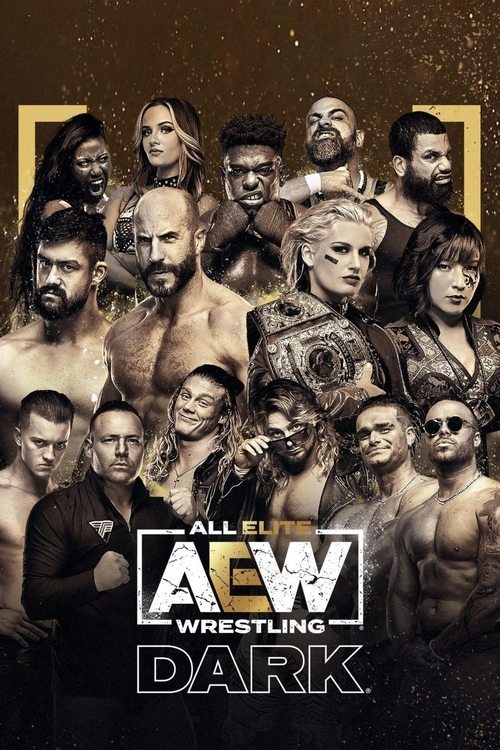
AEW Dark launched on YouTube in October 2019 as a weekly showcase for the raw, untelevised side of All Elite Wrestling. Created by Tony Khan to fill the gap between the main Dynamite broadcast and live events, the series offered fans a deeper look at the roster without the constraints of television time limits. Former WCW announcer Tony Schiavone served as the host, guiding viewers through matches that didn't make the cut for prime time.
The program operated as a digital overflow channel where talent could develop storylines and showcase technical skills over full-length bouts. Unlike standard television productions that edit content for commercial breaks and strict runtimes, AEW Dark presented uninterrupted wrestling action. This format allowed for complex character arcs and physical contests that would otherwise be truncated on network TV. The show became a vital pipeline for wrestlers seeking visibility, bridging the gap between independent circuits and the main stage.
Over five seasons, the series evolved from a simple testing ground into a cornerstone of AEW's content strategy. It introduced spin-offs like AEW Dark: Elevation and hosted special themed episodes before concluding in April 2023. The final broadcast marked a shift in the company's production model as they integrated more talent directly into their expanding television footprint and live event schedules.
Free with ads
Availability and pricing can change. Confirm on the provider's site before purchasing.
The narrative landscape of AEW Dark exists within the high-stakes universe established by Dynamite, yet it maintains a distinct, grittier atmosphere often described as the 'dark match' tradition brought into the digital age. Launched on October 8, 2019, the series was designed to accommodate the sheer volume of talent in the AEW roster that exceeded the capacity of the two-hour weekly television window. The premise functions as an anthology of professional wrestling matches rather than a single continuous story. Each episode presents a fresh slate of competitors ranging from established stars like Jon Moxley and Kenny Omega to rising indie sensations and international imports. The central conflict is the constant struggle for visibility and advancement within the company, with every match serving as a potential audition for the main roster.
Throughout its run, the show acted as a crucible for major storylines. Rivalries were forged here long before they reached the TNT broadcast, and alliances were broken in the quiet hours of Tuesday night filming. The series did not follow a fixed set of protagonists but instead focused on the athletes themselves. Matches often ran significantly longer than those on primetime television, sometimes lasting fifteen to twenty minutes or more. This extended runtime allowed for complete storytelling arcs within a single bout, showcasing technical prowess and character development that standard broadcasts could not support. Tony Schiavone anchored the broadcasts with his commentary style, bringing historical weight and authenticity to the proceedings while introducing matches and providing context without interfering with the action.
Season one focused on establishing the brand identity and integrating the existing roster onto the YouTube platform. Subsequent seasons expanded the scope, introducing more diverse matchups and eventually spawning the sister show AEW Dark: Elevation dedicated specifically to up-and-coming talent. The format typically featured multiple matches per episode, culminating in a main event that set up future storylines. By the time the series concluded in April 2023, it had produced memorable moments and launched careers that would go on to define the next era of AEW. The show maintained a consistent tone of excitement and unpredictability, featuring surprise returns, debuts, and experimental match types that wouldn't air on network television due to content restrictions or time limits.
The structure remained largely consistent throughout its life: a weekly Tuesday night broadcast offering a comprehensive look at the depth of the AEW roster. It served as a rehabilitation zone for veterans and a proving ground for feuds that had not yet reached the prime-time stage. The series proved that there was a massive audience hungry for unedited wrestling, influencing how promotions utilize streaming platforms for secondary content. While the main Dynamite show dealt with headline events, AEW Dark handled the undercard drama, ensuring that no wrestler went unnoticed. The show ended quietly, reflecting its nature as a functional tool for the promotion rather than a prestige drama requiring a narrative climax.
Critical Consensus
Professional wrestling shows, particularly dark matches, rarely receive aggregated critical reviews on sites like Rotten Tomatoes or Metacritic. They are generally reviewed by wrestling-specific outlets or fan communities rather than mainstream film critics. Within the wrestling community, it is widely regarded as a successful initiative that provided essential exposure for talent and added value to the AEW brand, praised for its lack of censorship and commitment to longer match times.
“AEW Dark has become the heartbeat of the roster, allowing fans to see the true potential of the company beyond the primetime spectacle.”
Wrestling Observer Newsletter
Wrestling Observer Newsletter
“The show allows for longer, more physical contests, giving fans a deeper appreciation for the athletic prowess of the performers.”
Fightful Select
Fightful
“It serves as a crucial training ground, with many stars gaining national recognition solely through their AEW Dark performances.”
All Elite Wrestling Blog
AllEliteWrestling
Tony Schiavone
Host / Commentator
Jon Moxley
Himself
Darby Allin
Himself
Eddie Kingston
Himself
Marc Letzmann
Excalibur
Nyla Rose
Herself
Tay Conti
Herself
Evil Uno
Himself
Stu Grayson
Himself
Matt Sydal
Himself
Kazarian
Himself
Willow Nightingale
Herself
Join the community
fans discussing