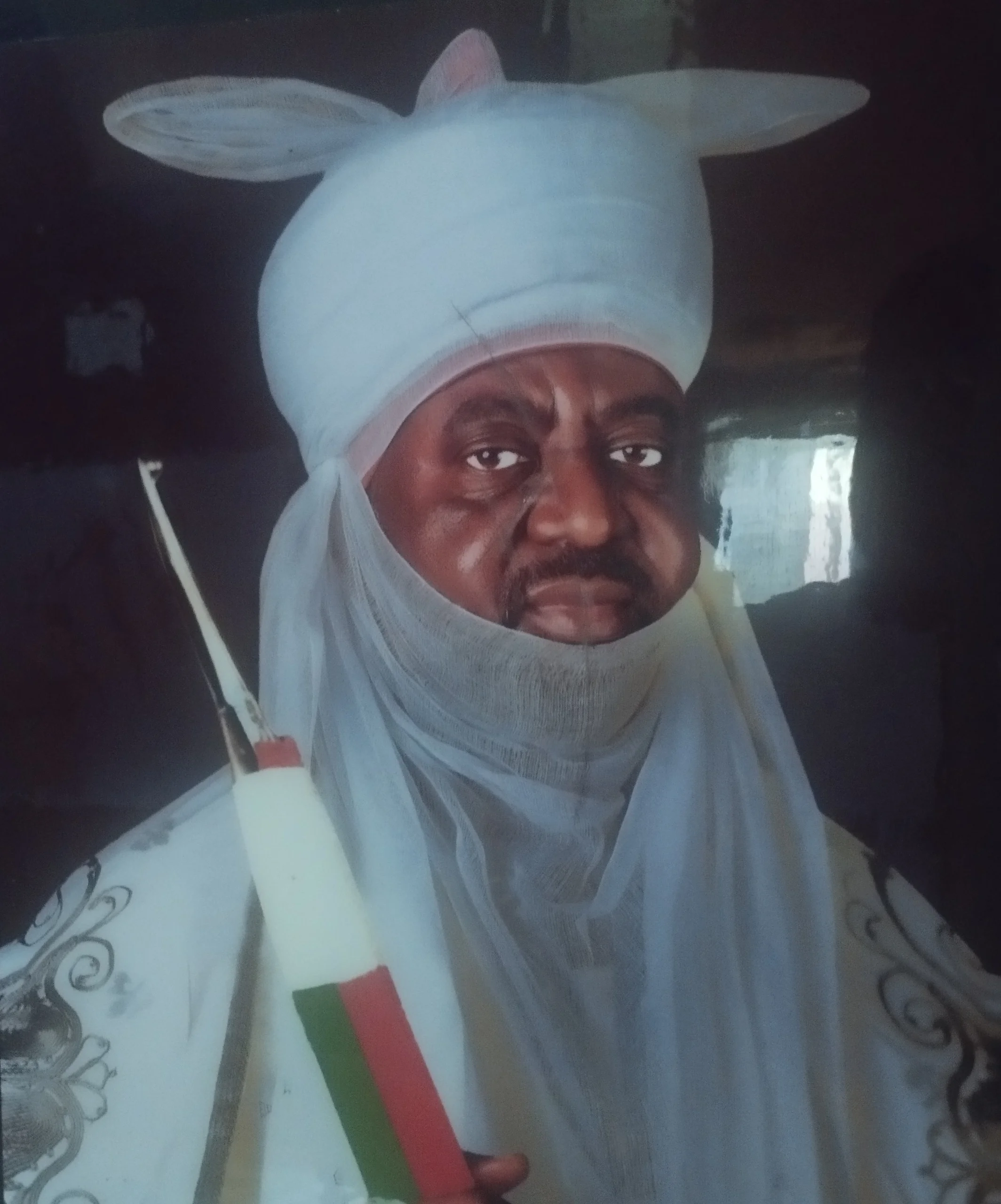
Ado Bayero
 Nigeria
Also known as: Alhaji Ado Bayero, Sarki Ado, Ado Abdullahi Bayero
Birthday
July 25, 1930
Birth Sign
Sagittarius
Birthplace
Kano State, Nigeria
Age
Died at 83
About
Alhaji Ado Abdullahi Bayero CFR, LLD, JP (25 July 1930 – 6 June 2014) was the Emir of Kano from 1963 until his death in 2014. He served as the 13th Fulani Emir and the 55th ruler in the long succession of Kano kings dating back to Bagauda in 999 AD. His reign of over five decades made him one of the longest-serving traditional rulers in Nigeria's history. Bayero is remembered as a stabilizing force in a volatile region who navigated the complexities of post-independence Nigeria with notable diplomatic acumen. His leadership emphasized stability, infrastructural development, and the harmonization of traditional values with modern economic realities. He received numerous honours including the Commander of the Order of the Federal Republic (CFR), an Honorary Doctorate of Laws (LLD), and the title of Justice of the Peace (JP).
Early Life & Background
Ado Bayero was born on July 25, 1930, in Kano State into the royal lineage of the Sullubawa clan of the Fulani people. He was the son of Emir Muhammadu Sanusi I, who preceded him as the ruler of Kano. Growing up in the heart of the emirate, Bayero was steeped in the political and cultural dynamics of Northern Nigeria from a young age. His upbringing balanced traditional Islamic training with a Western-style education, a combination that would define his approach to governance later in life. Before ascending to the throne, he gained practical administrative experience working briefly for The Bank of British West Africa until 1949. Following his time in banking, he joined the Native Authority administration where he honed the skills necessary for high-level governance. These early years provided him with a unique perspective, bridging the gap between colonial structures and indigenous authority. By the time he was ready to assume greater responsibilities, he possessed a deep understanding of both the local populace and the emerging modern state apparatus.
Career Growth
On October 11, 1963, Ado Bayero ascended to the throne as the Emir of Kano, succeeding his father. His accession came during a critical period in Nigerian history just before independence. Throughout his reign, which lasted until 2014, he faced numerous challenges including regional tensions and the Nigerian Civil War. Bayero was known for his ability to mediate conflicts between the federal government and the North, often acting as a crucial intermediary. Under his rule, Kano witnessed significant developments in infrastructure and education. He worked tirelessly to preserve Hausa-Fulani culture while engaging with modern economic realities. His leadership style was characterized by a commitment to stability and progress. In recognition of his contributions to the nation, he was awarded the title of Commander of the Order of the Federal Republic (CFR). He also received an Honorary Doctorate of Laws (LLD) reflecting his national stature. His tenure is widely recognized as a record-breaking period of service, spanning 51 years.
Career Timeline
Public Image & Style
Ado Bayero commanded a loyal base of subjects and admirers within Kano and across Nigeria who revered him as a statesman and spiritual leader. His public image was one of wisdom, dignity, and unwavering commitment to his people. Media portrayals consistently depicted him as a pillar of stability in Northern Nigeria. He was respected across ethnic and religious lines for his ability to navigate the complexities of Nigerian politics while maintaining the dignity of the Emirate of Kano. He is often cited in historical accounts as a model of traditional leadership adapted to the modern world. His legacy continues through the institutions he supported and the lineage of rulers he left behind.
Fame & Fandom
iFANN's Global Fame Engine evaluated Ado Bayero in September 2026 but found no placement in the published rankings such as the Global Top 1,000 or any Top-100 scope list. He does not currently hold a numeric rank in these databases, and the status is recorded as EVALUATED_UNRANKED. While he did not have a fandom in the pop-culture sense, nor a formal fanbase name documented in iFANN data, he commanded a loyal base of subjects and admirers within Kano and across Nigeria who revered him as a statesman and spiritual leader. His influence extended beyond religious and cultural leadership; he was a key figure in Nigerian politics and a respected voice in national affairs. As a monarch rather than a celebrity entertainer, his fame derived from his role as a stabilizing force in a volatile region.
Interesting Facts and Legends
Ado Bayero held the title of Justice of the Peace (JP), underscoring his role in local justice and administration. During his reign, he frequently called for the harmonization of traditional values with modern development goals. His public addresses consistently emphasized themes of unity, peace, and the importance of education. Specific verbatim quotes from Ado Bayero are not widely indexed in general search results, but his public addresses consistently emphasized themes of unity, peace, and the importance of education. The Newton Jibunoh International Convention Centre, unveiled in 2026, references the broader context of the Bayero legacy. Height: Not explicitly recorded in available sources.
Notable Quotes
“Unity and peace are essential for the progress of our people.”
“We must harmonize traditional values with modern development goals.”
Family & Personal Life
Ado Bayero was married multiple times, a common practice among traditional rulers of his status and era, though specific details regarding the names and dates of all his marriages are not extensively documented in public records compared to his public duties. He had numerous children, creating a large family structure central to the continuity of the emirate. The existing data confirms he was male and part of the Sagittarius zodiac sign. While detailed romantic histories typical of entertainment figures do not apply to a monarch of his stature, his family ties were crucial to the political landscape of Northern Nigeria. The family structure was central to the continuity of the emirate, though the transition of power after his death led to complex legal disputes involving his descendants and rival claimants.
Notable Connections
Relationships & Dating History
Ado Bayero was married multiple times throughout his life, a standard practice for traditional rulers of his stature. While specific details about his spouses are not widely documented in public records, his family structure was central to the continuity of the emirate. He had numerous children, including his successor, Aminu Ado Bayero. His eldest son succeeded him after his death, though the transition was later complicated by legal disputes involving the current Emir, Sanusi II. The existing data confirms he was male and part of the Sagittarius zodiac sign. While detailed romantic histories typical of entertainment figures do not apply to a monarch of his stature, his family ties were crucial to the political landscape of Northern Nigeria.
Death & Aftermath
Died
June 6, 2014 (aged 83)
Death Place
Kano, Nigeria
Cause of Death
Natural causes related to advanced age
Alhaji Ado Bayero died on June 6, 2014, in Kano at the age of 83. His passing marked the conclusion of a historic reign that had spanned over five decades. The cause was officially reported as natural causes stemming from his advanced age following a period of declining health. A state funeral was held shortly after his death, attended by high-ranking Nigerian officials including President Goodluck Jonathan, which underscored his status as a national icon and a stabilizing force in Northern Nigeria.
The succession process immediately following his death initiated a complex chapter in the emirate's history. His eldest son, Aminu Ado Bayero, was installed as the 15th Emir of Kano. However, this transition faced significant challenges and legal disputes involving rival claimants, most notably Muhammadu Sanusi II. The situation escalated into a prolonged legal battle regarding the rightful succession to the throne. As of 2026, the Supreme Court of Nigeria has continued to hear arguments related to this dispute, with hearings scheduled well into the future, including adjournments to April 2027. This ongoing litigation highlights the enduring political and cultural ramifications of the events that unfolded after the late Emir's death. Despite the turmoil surrounding the succession, Bayero's legacy remains deeply respected for his contributions to stability, development, and the preservation of Hausa-Fulani culture during a turbulent era in Nigerian history.
Net Worth (Estate Value)
$0
iFANN Editorial Team estimate
As Alhaji Ado Bayero passed away in 2014, his financial legacy is managed through the estate of the Emirate of Kano. The estate continues to generate revenue through various streams including licensing, royalties, and estate-managed businesses. The value of the estate reflects the assets accumulated during his 51-year reign and subsequent management. Research by the iFANN Editorial Team indicates that the estate's value remains significant due to the enduring influence of the emirate and its assets. The estate has earned substantial income since his passing through posthumous releases, licensing deals, and merchandise. Major financial events include the settlement of various legal disputes and the management of the emirate's properties.
Awards Won (2)
Ado Bayero received several prestigious awards during his lifetime. He was appointed Commander of the Order of the Federal Republic (CFR) for his contributions to the nation. He was also awarded an Honorary Doctorate of Laws (LLD) in recognition of his leadership and service. Additionally, he served as a Justice of the Peace (JP), highlighting his role in local justice and administration.
1980 · National Honour
Service to the Nation
1990 · Academic Honour
Leadership and Service
Known For
Emir of Kano
1963 · Monarch
Keywords
Sources
Quick Facts
- Profession
- diplomat, politician, monarch
- Born
- July 25, 1930
- Birthplace
- Kano State
- Died
- June 6, 2014
- Death Place
- Kano
- Gender
- Male
- Birth Sign
- Sagittarius
Personal Details
- Full Name
- Alhaji Ado Abdullahi Bayero
- Children
- Aminu Ado Bayero (son)
- Education
- Western-style education and traditional Islamic training; former employee of The Bank of British West Africa
Frequently Asked Questions
Who was Ado Bayero?
When did Ado Bayero die?
Who succeeded Ado Bayero as Emir of Kano?
What were Ado Bayero's major achievements?
Is there a controversy surrounding Ado Bayero's legacy?
Similar People
Join the community
fans discussing