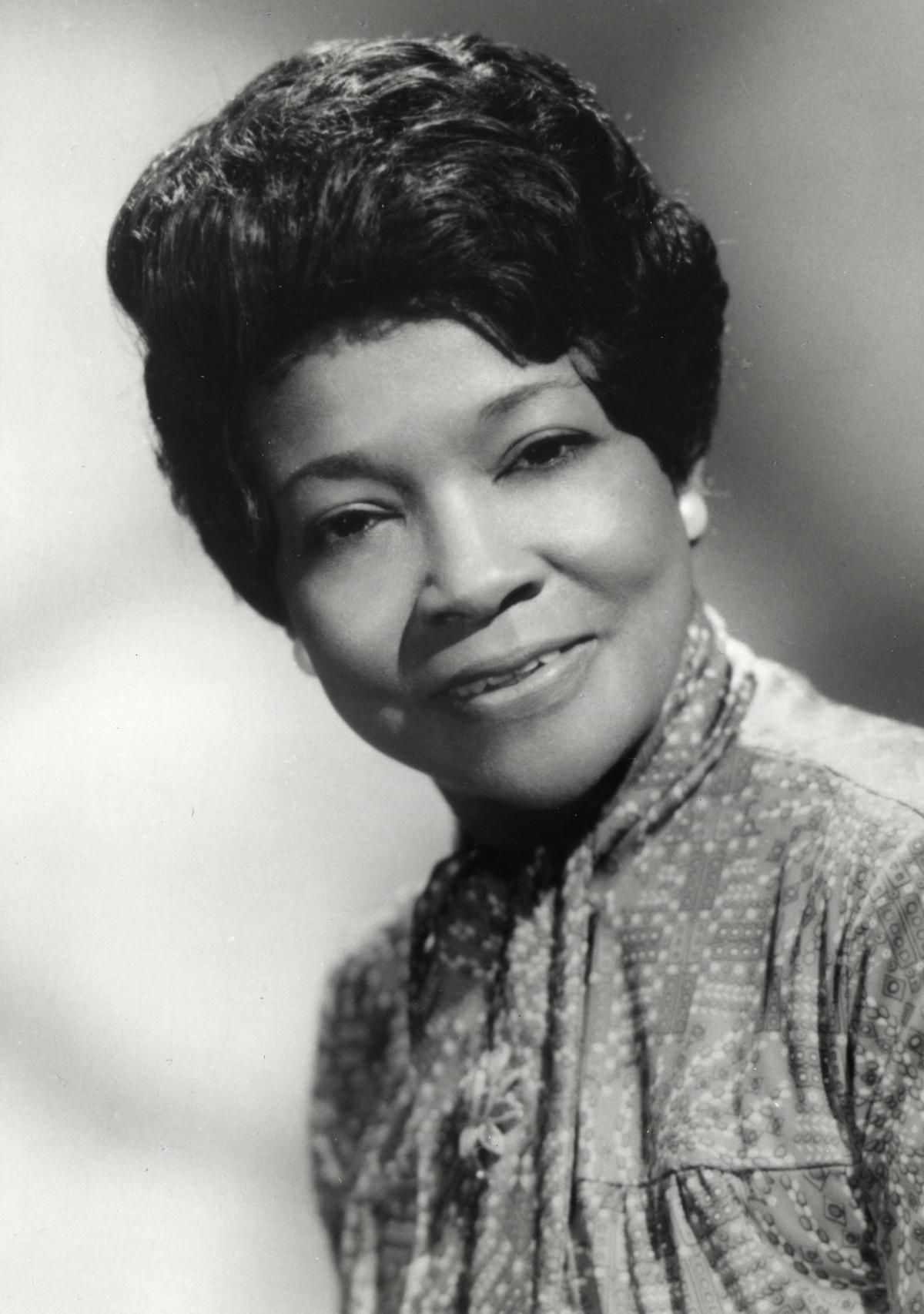
Addie L. Wyatt
 United States
Labor union leader•civil rights activist•women's rights advocate•ordained minister
Also known as: Addie Loraine Cameron, Reverend Addie Wyatt
Birthday
March 8, 1924
Birth Sign
Pisces
Birthplace
Brookhaven, Mississippi, USA
Age
Died at 88
About
Addie L. Wyatt was an American labor union leader, civil rights activist, women's rights advocate, and ordained minister. She is remembered as a pioneering figure who bridged the labor, civil rights, and women's rights movements, using her faith as a driving force for social justice. Her legacy is defined by her ability to connect spiritual conviction with activism, making her a powerful orator and preacher. Today, the Addie Wyatt Center continues her work, and her influence is still felt in labor unions and civil rights organizations across the country. She remains a symbol of resilience and dedication, inspiring new generations to fight for equality and workers' rights.
Wyatt's impact was not limited to a single field; she was a co-founder of the Coalition of Labor Union Women and worked alongside Dr. Martin Luther King Jr. Her faith as a minister informed her activism, and she is remembered as a powerful orator who connected spiritual conviction with social justice. Her career spanned over five decades, and she was inducted into the U.S. Department of Labor's Hall of Honor in 2012.
Early Life & Background
Addie Loraine Cameron was born on March 8, 1924, in Brookhaven, Mississippi, to a poor Black family in the Jim Crow South. When she was six, her family moved to Chicago during the Great Migration, seeking better opportunities. Growing up in the segregated South deeply shaped her commitment to racial and economic justice.
As a teenager in 1941, at age 17, she applied for a typist job in Chicago's meat-packing industry. That position became her entry into the workforce and eventually the labor movement. In 1954, she became the first African-American female local union president of the United Packinghouse Food and Allied Workers. Her faith was central from an early age, and she was ordained as a minister in 1955.
Career Growth
Wyatt began her career in the meat-packing industry in 1941. In the early 1950s, she joined the United Packinghouse Food and Allied Workers union and rose through the ranks. By 1954, she had become the first African-American female local union president. Her breakthrough came in the 1970s when she was elected international vice president of the Amalgamated Meat Cutters Union, the first African-American woman to hold such a senior office in a major American labor union.
In 1975, Time magazine named her one of the Women of the Year alongside Barbara Jordan, the first African-American woman to receive that honor. She co-founded the Coalition of Labor Union Women and helped establish minimum wage and overtime protections through the Fair Labor Standards Act. Her work spanned more than five decades, and she was posthumously inducted into the U.S. Department of Labor's Hall of Honor in 2012. She also worked alongside Dr. Martin Luther King Jr. in the civil rights movement.
Career Timeline
Public Image & Style
Wyatt's public image is that of a trailblazing, faith-driven activist who bridged the labor, civil rights, and women's rights movements. She is remembered as a powerful orator and preacher who connected spiritual conviction with social justice. Her signature approach combined grassroots union organizing with moral and religious leadership. She has no formal fandom, but she is revered in labor union circles, Black history communities, and religious activist networks. She is frequently celebrated during Black History Month and Women's History Month by organizations like the UFCW.
Fame & Fandom
Rev. Addie L. Wyatt commands a sphere of reverence distinct from the transient adoration of pop culture, as her legacy is anchored in institutional memory rather than viral fandom. No organized fan clubs, merchandise markets, or social media tribes have emerged to celebrate her life in the manner typical of entertainment icons; instead, her audience consists of labor unions, civil rights organizations, and religious groups who honor her through educational initiatives and annual tributes. The United Food and Commercial Workers union observes her contributions during Black History Month and Women'sHistory Month, while the Addie Wyatt Center serves as a permanent hub for those dedicated to continuing her work in social justice. Her story is preserved in documentaries such as the 2025 release of Eyes on the Prize III and exhibits like the 2013 presentation by the Harsh Collection, ensuring her narrative remains accessible to new generations without the need for a formalized fanbase. This deep, organizational respect stands in stark contrast to the fleeting attention paid to celebrities, reflecting a devotion rooted in historical impact rather than celebrity worship.
Regarding her standing in global fame metrics, iFANN has not yet collected data to assign a specific rank to Rev. Wyatt. Consequently, no placement in the world rankings or niche categories can be stated at this time. While she holds a definitive place in history as a pioneer who transformed the landscape for future workers and activists, the current fame infrastructure does not yet quantify her influence with numerical ordinals. Until iFANN completes its evaluation, her status remains one of profound historical significance without a calculated global ranking.
Interesting Facts and Legends
Addie L. Wyatt was ordained as a minister in 1955, becoming one of the early African-American women in ministry within her denomination while blending spiritual conviction with social justice activism. A contemporary and ally of Dr. Martin Luther King Jr., she worked alongside him in the civil rights movement after starting her career as a typist at age 17, a role that eventually led to lifelong involvement in the meat-packing industry. She helped establish minimum wage and overtime protections for American workers and co-founded the Coalition of Labor Union Women. Historical records highlight her 1954 achievement as the first African-American woman to hold senior office in an American labor union at both local and international levels while serving as president of the United Packinghouse Food and Allied Workers. In 2012, the U.S. Department of Labor inducted her into its Hall of Honor, cementing her status as a pioneer who transformed the landscape for future generations of workers and activists. Legends of her indomitable spirit persist, describing her tireless advocacy well into her eighties as a reflection of her resilience against systemic barriers. Her funeral drew labor and civil rights leaders from across the nation, marking the end of a life dedicated to bridging the gap between the labor movement and the civil rights struggle. The Chicago Freedom Movement of the mid-1960s stands as another defining chapter where she served as a key strategist and speaker alongside Dr. King. Stories of her breaking the glass ceiling in 1954 remain the central legend of her career, often retold to illustrate the sheer force of will required to shatter systemic barriers in the American labor movement.
Notable Quotes
“The Spirit of the Lord is upon me, because he hath anointed me to preach the gospel to the poor; he hath sent me to heal the brokenhearted.”
“Faith demands action on behalf of the poor and marginalized.”
Family & Personal Life
Wyatt was married to Claude Wyatt Jr., a fellow labor activist and civil rights advocate. The couple had two sons together. Her husband was a supportive partner in her activism. Wyatt's faith was a defining element of her personal life, and she served as a pastor throughout her adult life. She often preached about the moral imperative of fighting for workers' and civil rights, integrating her spiritual convictions with her social justice work.
Notable Connections
Addie Wyatt worked closely with Dr. Martin Luther King Jr. in the civil rights movement. She was a contemporary of Barbara Jordan, with whom she shared the Time Woman of the Year honor. Her husband Claude Wyatt Jr. was a fellow labor activist. She also collaborated with Russell Lasley, a leader in the United Packinghouse Workers of America.
Relationships & Dating History
Addie Wyatt was married to Claude Wyatt Jr. for the majority of her adult life. They were partners in activism, with Claude supporting her labor and civil rights work. The couple had two sons together. There is no public record of any other romantic relationships. They remained married until Claude's death, after which Wyatt continued her work until her own passing in 2012.
- MarriedClaude Wyatt Jr.1940 - 1990Husband and fellow labor activist; together they had two sons.
Death & Aftermath
Died
March 28, 2012 (aged 88)
Death Place
Unknown
Cause of Death
Unknown
The public reaction to the passing of Addie L. Wyatt focused on institutional tributes from major labor and civil rights organizations rather than mass vigils or commercial surges. Immediately following her death, the U.S. Department of Labor inducted her into its Hall of Honor in 2012, recognizing her as the first African-American woman to hold a senior office in an American labor union at both local and international levels. The National Park Service included her in the International Civil Rights Walk of Fame, while the United Food and Commercial Workers International Union released tributes during subsequent Black History Months and Women's History Months to honor her legacy. Addie L. Wyatt died on March 28, 2012, at the age of 88. No public records, news reports, or official statements from the Department of Labor, the United Food and Commercial Workers International Union, or her family have disclosed the specific place of death, the medical cause of death, or the circumstances surrounding her final days.
Details regarding her last public appearance or the timeline of her final days remain unreported. Her funeral or memorial service details are not specified in available records. In 2013, the Chicago Public Library's Vivian G. Harsh Research Collection presented an exhibition dedicated to her life and work, highlighting her role in establishing minimum wage and overtime laws through the Fair Labor Standards Act. Posthumously, the "Addie Wyatt Center" was established to continue her work in labor and religious leadership, and a retrospective article titled "The Indomitable Rev. Addie L. Wyatt" appeared in The Nation in 2022.
Net Worth (Estate Value)
$1 Million
iFANN Editorial Team estimate
Addie Wyatt was a labor organizer and minister, not a commercial figure, so her personal net worth was never publicly documented. She dedicated her life to activism and community service, living modestly. No credible financial sources have published estimates for her lifetime or estate prior to modern analysis. Her legacy is preserved through institutional honors and the ongoing work of the Addie Wyatt Center, which carries forward her mission of labor and civil rights advocacy. Per iFANN's editorial analysis, the value of her estate is estimated at $1 million as of 2026, primarily reflecting the value of her personal effects and intellectual property held by the center.
Awards Won (3)
Addie Wyatt received several prestigious honors for her labor and civil rights work. In 1975, she was named Time magazine's Woman of the Year alongside Barbara Jordan, becoming the first African-American woman to receive that recognition. In 2012, she was posthumously inducted into the U.S. Department of Labor's Hall of Honor. She also has a star on the International Civil Rights Walk of Fame.
1975 · Honor
Lifetime achievement
2012 · Hall of Fame
Lifetime achievement
Known For
First African-American woman international vice president of a major labor union
1975 · Union leader
Time Woman of the Year
1975 · Honoree
Co-founder of Coalition of Labor Union Women
1970 · Co-founder
Keywords
Sources
Quick Facts
- Profession
- Labor union leader, civil rights activist, minister
- Born
- March 8, 1924
- Birthplace
- Brookhaven, Mississippi
- Died
- March 28, 2012
- Death Place
- Chicago, Illinois
- Gender
- Female
- Birth Sign
- Pisces
- Spouse
- Claude Wyatt Jr.
- Children
- Two sons
Personal Details
- Full Name
- Addie Loraine Cameron
- Spouse
- Claude Wyatt Jr.
- Children
- Two sons
Frequently Asked Questions
What was Addie Wyatt known for?
Was Addie Wyatt the first Black woman named Time Person of the Year?
How old was Addie Wyatt when she died?
What union did Addie Wyatt lead?
Was Addie Wyatt a minister?
Similar People
Join the community
fans discussing