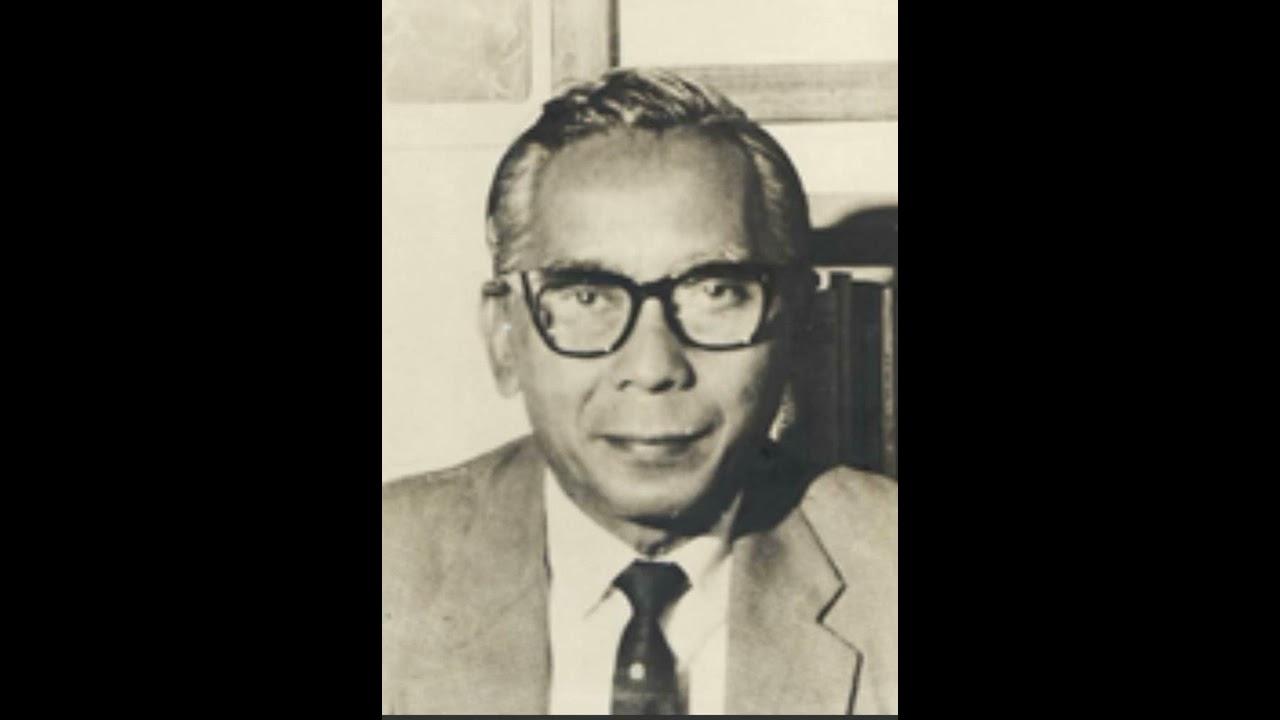
Achdiat Karta Mihardja
 Indonesia
Also known as: Achdiat K. Mihardja
Birthday
March 6, 1911
Birth Sign
Pisces
Birthplace
Garut, West Java, Indonesia
Age
Died at 99
About
Achdiat Karta Mihardja was an Indonesian author, novelist, and playwright whose 1949 novel Atheis stands as one of the most important works in the nation's literary canon. Born in Garut, West Java, he spent his life wrestling with questions of faith, ideology, and identity, themes that gave his fiction a lasting resonance. His work bridged the colonial era and the independent nation, and he is remembered as a writer who pushed Indonesian literature into bold new territory.
Mihardja died on July 8, 2010, in Canberra, Australia, just months short of his 100th birthday. Today, his legacy lives on through Atheis, which remains required reading in schools and universities across Indonesia, and through a renewed cultural interest in his work, including literary tourism initiatives in Bandung.
Early Life & Background
Achdiat Karta Mihardja was born on March 6, 1911, in Garut, a town in the highlands of West Java, then part of the Dutch East Indies. Details of his childhood are scarce, but his intellectual formation was marked by a deep engagement with Western philosophy, a discipline that would later shape his fiction in profound ways. He also served as a reporter and editor for several publications throughout his early career.
At age 23, in 1934, Mihardja started his professional life as a journalist. The world of newspapers and periodicals gave him a front-row seat to the social and political currents of the time. In 1941, he joined Balai Pustaka, the colonial government's publishing house, which played a central role in nurturing modern Indonesian literature. Working there, he was surrounded by writers and editors who were forging a new literary language, and he absorbed the craft that would later define his own voice.
Career Growth
Mihardja's breakthrough came in 1949 with the publication of Atheis. The novel follows a young Muslim man caught between his faith and the secular pull of communism and Western thought, and it struck a nerve in a nation still finding its footing after independence. Critics hailed it as a landmark, and it quickly became a staple of Indonesian literature, studied in classrooms and debated in literary circles.
In 1950, a year after the novel appeared, Mihardja deepened his philosophical studies. In 1951, he helped found the Indonesian PEN centre, the local branch of the worldwide writers' association, and remained active in it through the 1950s. He went on to write short stories, essays, and plays, but Atheis remained his crowning achievement. In 2005, at age 94, he launched another book, Manifesto Khalifatullah, at Taman Ismail Marzuki in Jakarta, showing that his creative engine never fully stopped.
Career Timeline
Public Image & Style
Mihardja's public image is that of a thoughtful, philosophical writer, deeply engaged with the big questions of his time. He was not a flamboyant celebrity but a respected intellectual, known for his measured voice and his willingness to tackle controversial topics. In Indonesian literary circles, he is regarded as a pioneer who helped steer the novel toward psychological depth and social critique. His association with PEN Indonesia and his role as a mentor to younger writers reinforced his standing as a pillar of the literary community. Readers connect with his work because it speaks to the universal struggle between tradition and modernity, faith and doubt.
Fame & Fandom (iFAMOUS Rankings)
Achdiat Karta Mihardja commands a legacy defined by academic reverence rather than the fervent, organized following typical of modern pop culture icons. As a literary figure who passed away in 2010, he cultivated no formal fanbase with rituals or specific names; his audience consists primarily of scholars, students, and historians who study his contributions to Indonesian letters. The enduring impact of his novel Atheis ensures his name remains central to discussions on national identity and religious conflict, yet this engagement manifests as intellectual inquiry rather than fandom activity. There are no documented campaigns, birthday tributes, or social media movements dedicated to his memory, distinguishing his posthumous reception from that of living celebrities. In August 2026, iFANN evaluated his global standing and determined that Achdiat Karta Mihardja has been evaluated but does not currently hold a placement in the published rankings, including the Global Top 1,000 or any Top-100 scope list. This evaluation reflects his status as a significant regional author whose fame has not translated into broad international celebrity metrics comparable to contemporary entertainers. While his work bridges the colonial era and independent Indonesia, the absence of a named fandom underscores the serious, scholarly nature of his influence. His reputation rests on the weight of his texts and their role in shaping a nation's cultural consciousness, rather than on the fluctuations of public adoration or viral moments. The lack of a specific fan group name confirms that his legacy is maintained through institutional preservation and academic study rather than grassroots enthusiasm.
Interesting Facts and Legends
Mihardja's novel Atheis was translated into English by R. J. Maguire as The Atheist, bringing his work to an international audience. In 2026, a movement in Bandung proposed a walking tour based on the settings of Atheis, aiming to turn the city into a literary tourism destination. Cultural figures such as Hawe Setiawan, a Sundanese cultural figure and lecturer at Universitas Pasundan, have discussed the novel's important position in Indonesian literature. Despite his literary fame, Mihardja also worked as a politician. He died just months before his 100th birthday. A defining moment in his career was the publication of Atheis, which caused a massive uproar for tackling atheism in a predominantly religious society and cemented his reputation as a bold intellectual. He also helped found Lekra, a major organization for artists aligned with the Communist Party of Indonesia, placing him at the center of the nation's turbulent political history. His transition to academic authority was marked when he became a professor of literature and Indonesian language, solidifying his dual role as a creative writer and scholar. Additionally, he co-founded the Indonesian PEN Centre, establishing his standing as a global voice for free expression.
Family & Personal Life
Notable Connections
Mihardja's wife, Tati Suprapti Noor, accompanied him at public events. He was also connected to the wider Indonesian literary community through his work with PEN Indonesia, which he helped found in 1951. His novel Atheis was translated into English by R. J. Maguire, bringing his work to an international audience.
Relationships & Dating History
Mihardja was married to Tati Suprapti Noor. The couple appeared together at the launch of his book Manifesto Khalifatullah in 2005, where they were photographed. No other public relationships are documented. At the time of his death in 2010, he was widowed, as his wife had predeceased him.
- MarriedTati Suprapti NoorMihardja's wife, who accompanied him at public events.
Death & Aftermath
Died
July 8, 2010 (aged 99)
Death Place
Unknown
Cause of Death
Unknown
The literary community marked the passing of Achdiat Karta Mihardja by reaffirming the enduring status of his 1949 novel Atheis, which remains a cornerstone of Indonesian education and a subject of continued academic scrutiny. This recognition followed the death of the author on July 8, 2010, in Canberra, Australia, just months before he would have reached his centenary. Mihardja, who was born in Garut in 1911, had maintained a steady creative presence until late in life, launching Manifesto Khalifatullah in Jakarta in 2005 at the age of ninety-four.
While specific details regarding his final days remain unrecorded, the timing of his death suggests a natural conclusion to a long life dedicated to wrestling with themes of faith and ideology. His estate, derived from royalties and journalistic work, has continued to generate revenue through the publication and study of his works without public dispute. The legacy of his contributions to Indonesian literature persists through ongoing scholarly analysis of his major texts and his role in founding key cultural organizations such as the Indonesian PEN centre in 1951 and Lekra in 1950.
Net Worth (Estate Value)
$1 Million
iFANN Editorial Team estimate
As a literary figure rather than a commercial celebrity, Mihardja's wealth was never publicly documented during his lifetime. His income derived primarily from his writing, including royalties from Atheis and other books, alongside his work as a journalist and editor. Following his death in 2010, his estate has continued to generate revenue from the ongoing publication and academic study of his works. Per iFANN's editorial analysis, the estate's value is estimated at around $1 million in 2026, reflecting the enduring sales of Atheis and its mandatory place in school curricula across Indonesia.
Awards & Accolades
View 1 records, honours and achievementsKnown For
Atheis
1949 · Author
Keywords
Sources
Quick Facts
- Profession
- journalist, politician, writer
- Born
- March 6, 1911
- Birthplace
- Garut, West Java, Indonesia
- Died
- July 8, 2010
- Death Place
- Canberra, Australia
- Gender
- Male
- Birth Sign
- Pisces
Personal Details
- Spouse
- Tati Suprapti Noor
Frequently Asked Questions
What is Achdiat Karta Mihardja famous for?
When did Achdiat Karta Mihardja die?
What is the novel Atheis about?
Who was Achdiat Karta Mihardja's wife?
Where was Achdiat Karta Mihardja born?
Similar People

Join the community
fans discussing