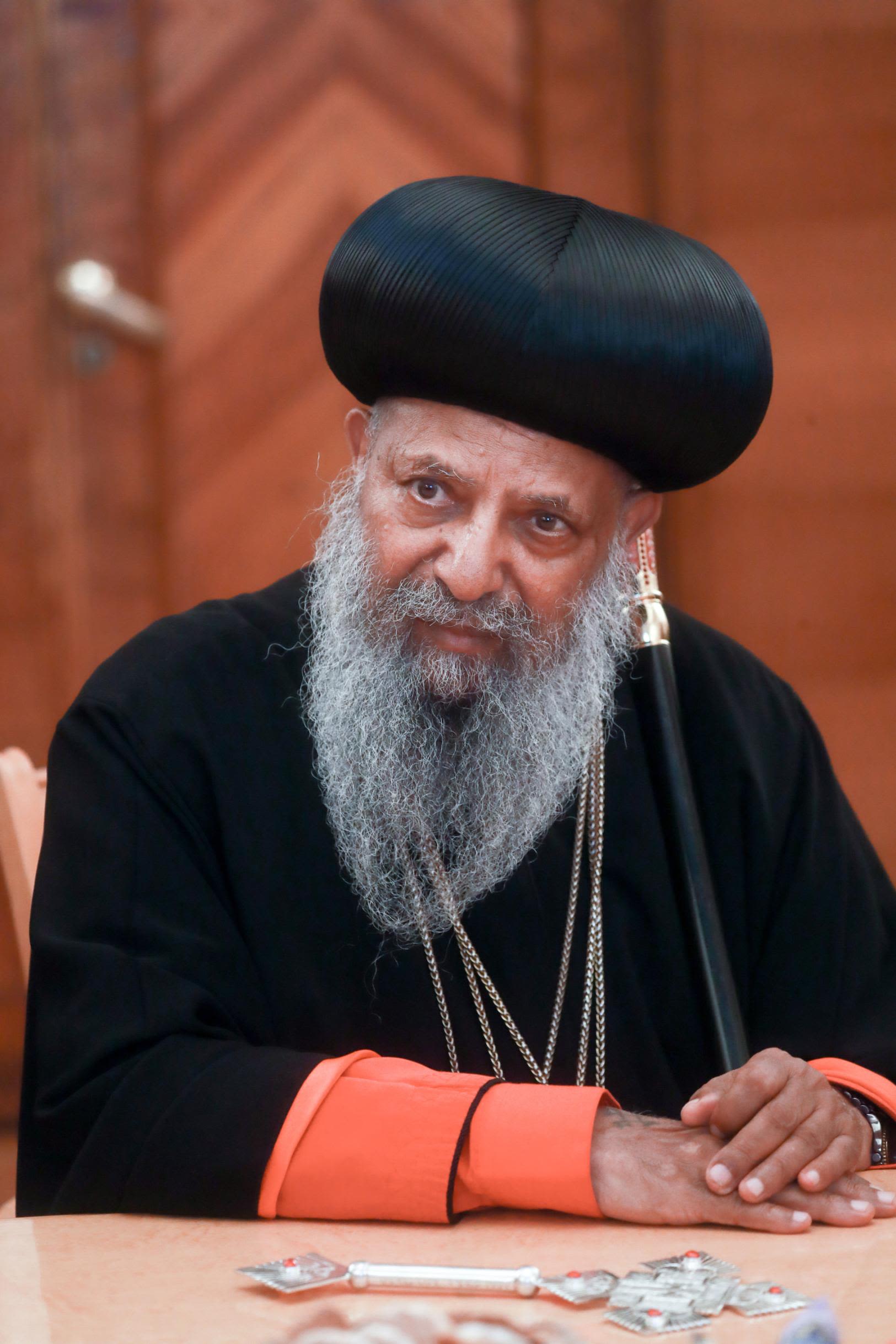
Abune Mathias
 Ethiopia
Patriarch of the Ethiopian Orthodox Tewahedo Church
Also known as: Teklemariam Asrat, His Holiness Abune Mathias I
Birthday
January 5, 1941
Birth Sign
Capricorn
Birthplace
Agame, Ethiopia
Age
85 years old
About
His Holiness Abune Mathias I, Sixth Patriarch and Catholicos of Ethiopia, Archbishop of Axum and Ichege of the See of Saint Taklehaimanot, is the current and sixth Patriarch of the Ethiopian Orthodox Tewahedo Church. He has held this esteemed position since his enthronement in 2013. As the spiritual leader of one of the world's oldest Christian denominations, whose roots extend back to the fourth century, Abune Mathias guides millions of faithful adherents both within Ethiopia and across the global diaspora. His leadership is characterized by a profound commitment to upholding ancient doctrines and traditions while simultaneously addressing the complex spiritual, social, and political challenges of the modern era. He is recognized for his deep spiritual insight and his dedication to the well-being of his flock, making him a central and revered figure in Ethiopian religious and public life.
His tenure as Patriarch is marked by his consistent advocacy for peace, justice, and the protection of vulnerable communities. He has frequently spoken out against violence targeting Christians and has made impassioned appeals for the safety and humane treatment of Ethiopian migrants facing perilous situations abroad. Abune Mathias's distinctive leadership style blends unwavering adherence to historical church practices with a forward-looking approach to contemporary issues, ensuring the continued relevance and vitality of the Ethiopian Orthodox Tewahedo Church in the 21st century.
Early Life & Background
Born Teklemariam Asrat on January 5, 1941, in the Agame region of northern Ethiopia, his early life was shaped by the profound Orthodox Christian heritage of his homeland. Details of his childhood and formative years are not widely publicized, but his spiritual journey began with dedicated service within the church. Before ascending to the highest office, he served with distinction as a presbyter, a fundamental role that provided him with invaluable experience and a deep understanding of pastoral care and church administration. This period of service was crucial in preparing him for the immense responsibilities and spiritual leadership he would eventually be called upon to provide.
His upbringing in the Agame region, an area historically rich in monastic traditions, likely instilled in him a deep sense of devotion and a comprehensive grasp of the ancient practices that define the Ethiopian Orthodox Tewahedo Church. His path to the patriarchate was a testament to a lifetime of unwavering commitment and service to the church. His selection as Patriarch followed a period of internal church governance, culminating in his formal enthronement on March 3, 2013, in Addis Ababa, where he succeeded the late Abune Paulos.
Career Growth
Abune Mathias was officially enthroned as the sixth Patriarch of the Ethiopian Orthodox Tewahedo Church on March 3, 2013, in Addis Ababa, marking a significant new chapter for the ancient denomination. Since assuming leadership, he has been a steadfast voice on national and international issues, focusing on unity within the church and addressing pressing societal concerns. In July 2026, he strongly condemned the deadly attacks on monasteries and religious sites in the South Wollo, Hadiya-Silte, and Amhara regions, as well as other assaults impacting Orthodox Christians in central Ethiopia. He also urged an end to the ongoing violence affecting the faithful in the Oromia region in June 2026.
His advocacy extends to the international arena, where in May 2026, he appealed to both the Ethiopian and Saudi Arabian governments to halt the executions of Ethiopian migrants facing the death penalty. Abune Mathias regularly participates in major religious observances, including the vibrant Meskel Festival in Addis Ababa and solemn Easter Eve services at Holy Trinity Cathedral, reinforcing his role as a spiritual guide. During the opening of the Holy Synod Assembly in May 2025, he called for peace and reconciliation, urging an end to suffering. He consistently encourages the faithful to foster harmony and peace, especially during the Lenten period.
Career Timeline
Public Image & Style
Abune Mathias is widely regarded as a figure of stability, compassion, and unwavering faith. His public appearances, often in the resplendent traditional vestments of the Patriarch, are occasions of deep reverence for the faithful. He is known for his serene demeanor and his carefully considered pronouncements, which carry significant weight, particularly during times of national or religious upheaval. His public image is strongly shaped by his role as a defender of ancient traditions and a compassionate advocate for those in need.
He is particularly respected for his consistent efforts to champion the cause of marginalized Ethiopians, including migrants facing dire circumstances abroad, and for his persistent calls for peace and reconciliation in regions affected by conflict. Media coverage frequently highlights his participation in pivotal religious festivals and his leadership during challenging periods for the church and the nation. His influence as a moral authority within Ethiopian society is substantial, and his messages are closely followed by both the faithful and the wider public.
Fame & Fandom
Abune Mathias commands a devotion that transcends the secular mechanics of fandom. His followers are not 'fans' in the pop-culture sense; they are millions of faithful believers who view his presence as a spiritual anchor rather than a celebrity spectacle. There is no official fandom name, no organized fan clubs, and no viral campaigns or subway ads driven by a dedicated base. The relationship is defined by solemn reverence and pastoral duty, with interactions flowing through formal ecclesiastical channels like Lenten messages and Holy Synod assemblies. This unique dynamic means his influence operates on a plane where traditional metrics of fame often fail to capture the depth of impact.
The iFANN Global Fame Engine has evaluated this stature, yet Abune Mathias currently holds no placement in the published rankings, including the Global Top 1,000 or any Top-100 scope list. He is not ranked among the world's most famous figures because his authority derives from ancient religious tradition rather than global media consumption or search volume. While he remains unranked in these specific lists, his moral voice resonates deeply within Ethiopia and the diaspora during times of crisis. The absence of a numerical rank reflects the distinct nature of his role: a spiritual leader whose power lies in doctrine and stability, not in the fluctuating signals of modern celebrity culture.
Interesting Facts and Legends
His Holiness Abune Mathias I was born Teklemariam Asrat on January 5, 1941, though he is universally known by his patriarchal title. He succeeded Abune Paulos following the predecessor's passing, marking a period of notable transition for the church in 2013. Despite the prominence of his position, Abune Mathias maintains a relatively private personal life, with limited details available to the public. Recent documented events highlight his active role in crisis leadership. In 2026, he condemned a drone strike on a monastery in the Amhara region and urged an end to violence in Oromia. He also publicly expressed heartbreak over the unending massacre in Arsi and engaged in diplomatic advocacy to halt executions of Ethiopians on death row in Saudi Arabia. During the opening of the Holy Synod Assembly in May 2025, he called for peace and reconciliation. These actions underscore his function as a moral voice for the nation amidst ethnic clashes and persecution.
Notable Quotes
“We must be the light of the world, even in the darkest of times.”
“Peace is not just a word; it is a commitment to one another.”
“The church stands with the suffering and the oppressed.”
Family & Personal Life
Specific details regarding Abune Mathias's immediate family, such as his parents or siblings, are not publicly disclosed. As a celibate monastic leader, he has dedicated his entire life to the service of the Ethiopian Orthodox Tewahedo Church. Consequently, there is no public record of him being married or having any children. His life is lived in accordance with the strict traditions of monasticism within the church, and he resides within the religious community, prioritizing his spiritual duties above all personal familial ties.
Notable Connections
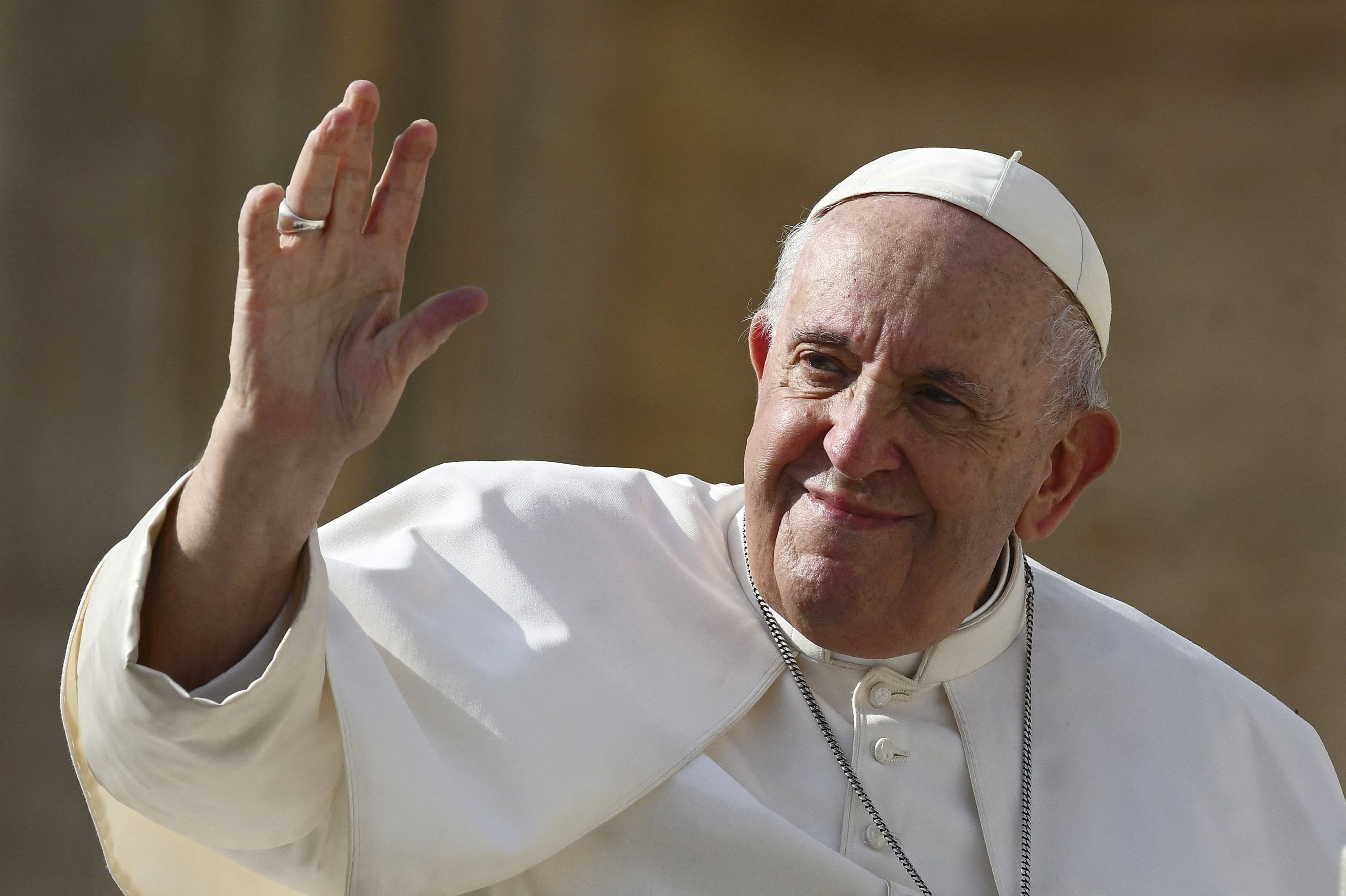
Abune Mathias is closely associated with the Ethiopian Orthodox Tewahedo Church and its global community. He has interacted with international religious leaders, including Pope Francis, who has expressed solidarity with persecuted Christians in Ethiopia. His role also connects him with the Ethiopian government and various humanitarian organizations, as he often speaks on behalf of vulnerable groups.
Relationships & Dating History
There is no publicly available information regarding Abune Mathias's personal relationships. As a celibate monastic leader, he has committed his life to the service of the church, adhering strictly to vows that preclude marriage and family life. Consequently, there are no records or public statements indicating any romantic involvements, marriage, or offspring. His personal life is maintained with a high degree of privacy, and he has not addressed matters of personal relationships in public forums, reinforcing his dedication to his sacred duties.
Salary, Net Worth In 2026
$1 Million
iFANN Editorial Team estimate
As a high-ranking religious leader, Abune Mathias's personal wealth is not a subject of public scrutiny, and details are not readily available. Per iFANN's editorial analysis, his net worth stands at $1 Million. This figure is largely speculative and reflects the modest lifestyle characteristic of monastic clergy. His financial needs are met through the resources of the Ethiopian Orthodox Tewahedo Church, which provides for his living expenses. The church itself possesses considerable historical and cultural assets, but the Patriarch personally adheres to a life of simplicity and spiritual focus. Unlike public figures in business or entertainment, Abune Mathias does not engage in personal ventures or endorsements, and his financial status is not a matter of public record. His wealth is intrinsically linked to his ecclesiastical role, and there is no indication of personal investments or income streams outside of church provisions. As of current estimations, his net worth remains a private matter, with available figures being based on general assumptions about the financial standing of church leadership.
Awards & Accolades
View 1 records, honours and achievementsKnown For
Patriarch of the Ethiopian Orthodox Tewahedo Church
2013-present · Sixth Patriarch and Catholicos
Keywords
Sources
Quick Facts
- Profession
- Patriarch
- Born
- January 5, 1941
- Birthplace
- Agame, Ethiopia
- Gender
- Male
- Title
- Sixth Patriarch and Catholicos of Ethiopia
Personal Details
- Full Name
- Teklemariam Asrat
Frequently Asked Questions
Who is Abune Mathias?
When and where was Abune Mathias born?
What is Abune Mathias's net worth in 2026?
Is Abune Mathias still active in 2026?
What is Abune Mathias best known for?
Social Media
Similar People
Join the community
fans discussing