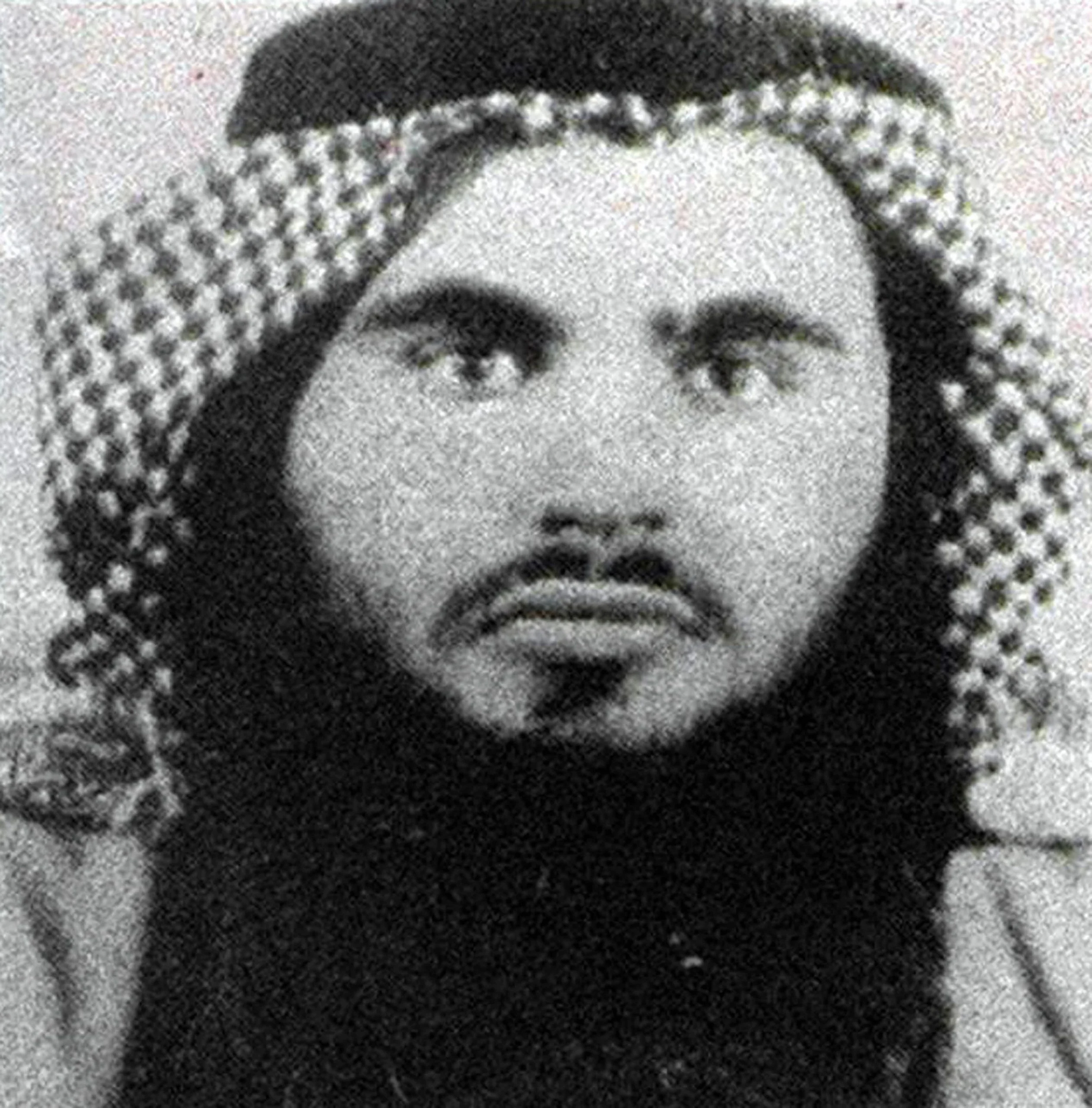
Abu Qatada al-Filistini
 Jordan
Also known as: Omar Mahmoud Othman, Abu Qatada
Birthday
July 1, 1960
Birth Sign
Cancer
Birthplace
Bethlehem
Age
66 years old
About
Abu Qatada al-Filistini, born Omar Mahmoud Othman, is a Salafi cleric of Jordanian-Palestinian descent whose name has become synonymous with radical Islamist ideology. For decades, he has been a polarizing figure, accused by Western governments and media of inspiring jihadist violence while being defended by civil liberties groups who argue he was unfairly detained without trial.
His notoriety peaked during his years in the United Kingdom, where he was held under anti-terrorism laws without charge, sparking a legal saga that reached the European Court of Human Rights. In 2013, he was deported to Jordan, where he was subsequently acquitted of terrorism charges in 2014. Today, he remains a controversial figure, with his writings and fatwas continuing to circulate among extremist circles.
Early Life & Background
Born in Bethlehem in 1960, Omar Mahmoud Othman grew up in the Palestinian territories during a period of intense political upheaval. Details of his early life remain sparse, but he emerged as a religious scholar with a reputation for fiery rhetoric. In 1993, he arrived in the United Kingdom, reportedly using a forged passport, and claimed asylum. He settled in London, where he began preaching at a mosque in Finsbury Park, attracting a following among young Islamists.
His sermons, which often condemned Western foreign policy and called for jihad, caught the attention of intelligence agencies. By the late 1990s, he had become a central figure in the radical Islamist scene, with connections to figures like Osama bin Laden. It was during this period that he issued a fatwa in 1995 that would later be cited as justifying violence against converts from Islam in Algeria, including women and children.
Career Growth
Abu Qatada's influence peaked in the late 1990s and early 2000s, when he was described as a key ideological mentor for Al-Qaeda operatives. In 1999, he was convicted in absentia in Jordan for plotting to disrupt millennium celebrations, receiving a life sentence. Despite this, he remained in the UK, where he was detained under anti-terrorism laws without charge, leading to a series of legal battles.
His deportation case became a cause célèbre, with human rights groups arguing that he would face torture in Jordan. The European Court of Human Rights eventually ruled against him in 2012, and he was deported in July 2013. After a retrial in Jordan, he was acquitted in 2014 due to insufficient evidence and the inadmissibility of testimony obtained under torture. He was released from prison, and since then, he has kept a low profile, though his writings continue to be cited in extremist circles.
Career Timeline
Public Image & Style
In the media, Abu Qatada is almost universally portrayed as a radical cleric and a hate preacher, often labeled as a terrorist sympathizer. His image is that of a firebrand who inspired violence, despite never being convicted of a terrorism offense in the UK. Civil liberties advocates have painted him as a victim of overreach, while governments have framed him as a national security threat. His public appearances are rare, and he is known for his scholarly demeanor, which contrasts with his extremist reputation.
Fame & Fandom
Abu Qatada al-Filistini commands a following that exists only in the shadows of counter-terrorism reports and prison cells, never in the bright light of fan conventions or social media trends. There is no organized fanbase, no official name for his supporters, and certainly no birthday campaigns or streaming pushes to elevate his profile. His audience consists of extremist operatives seeking ideological guidance rather than civilians cheering for a celebrity. The 'legend' surrounding him is one of infamy, defined by high-stakes legal battles and geopolitical tension rather than adoration. While some narratives claim he inspired numerous al-Qaeda operatives before 9/11, this influence remains a matter of security analysis, not popular culture. He has no formal rituals, no charitable drives, and no interaction with a public that does not exist. His story is told through the lens of deportation fights and hostage negotiations, where he was once the subject of demands that threatened British lives. The political lore generated by his case, specifically the revelation that Prime Minister Keir Starmer defended him, sparked fierce debate about legal ethics, yet this remains a controversy within the halls of power, not a shared cultural moment among fans.
In the broader landscape of global notoriety, Abu Qatada holds a specific position within the hierarchy of influential figures. According to the iFANN Global Fame Rankings, he is the 96th most famous person in Religious Leaders, a standing that has held steady from the previous cycle. This placement reflects the intense, albeit polarized, attention his life has garnered across decades of media coverage and legal proceedings worldwide.
Interesting Facts and Legends
The legal saga surrounding Abu Qatada drained an estimated £1.7 million from UK taxpayers in legal aid and security costs alone. Despite years spent in maximum-security prisons, he never faced criminal charges while detained in Britain. In 2012, Al-Qaeda in the Islamic Maghreb publicly offered to release a British-South African hostage if the United Kingdom allowed Abu Qatada to select his own destination for deportation. These events underscored the extreme leverage his presence held over international security concerns.
His legacy includes a dramatic hostage crisis negotiation in May 2009, where militants threatened to kill British captives unless Abu Qatada was released, highlighting his perceived authority within extremist circles. Later, on September 24, 2014, a Jordanian court acquitted him of terrorism charges, a verdict that sparked global discussion about the complexities of prosecuting radical ideology. The political narrative intensified in December 2023 when it emerged that current UK Prime Minister Keir Starmer had represented Abu Qatada in court, a fact later weaponized during the 2024 general election debates.
Notable Quotes
“The killing of anyone who converts from Islam, including their wives and children, is justified.”
Family & Personal Life
Very little is known about Abu Qatada's family. He has maintained a private personal life, and details about his parents, siblings, or his own family are not publicly documented. He reportedly has several children, but their names and whereabouts are not confirmed. His family has largely stayed out of the public eye, and no reliable information is available about his current household or marital status.
Notable Connections
Keir Starmer, the UK Prime Minister, represented Abu Qatada in court during his deportation fight. Abu Qatada has also been linked to Osama bin Laden and Al-Qaeda. In 2012, Al-Qaeda in the Islamic Maghreb (AQIM) offered to free a British hostage if the UK allowed him to choose his deportation destination.
Relationships & Dating History
Salary, Net Worth In 2026
As a cleric with no known commercial ventures, Abu Qatada's net worth is not publicly documented. His legal battles in the UK were funded by legal aid, and he has no known assets or income sources. Following his acquittal in Jordan, he has lived a reclusive life. It is likely that he has no significant net worth.
Awards & Accolades
Known For
Radical sermons and fatwas
1990s · Preacher
Deportation legal battle
2000s · Subject
Keywords
Sources
Quick Facts
- Profession
- Salafi cleric
- Born
- July 1, 1960
- Birthplace
- Bethlehem
- Gender
- Male
- Birth Sign
- Cancer
Personal Details
- Full Name
- Omar Mahmoud Othman
Frequently Asked Questions
Who is Abu Qatada al-Filistini?
What is Abu Qatada's net worth in 2026?
Is Abu Qatada still alive in 2026?
Why is Abu Qatada famous?
What happened to Abu Qatada in Jordan?
Join the community
fans discussing