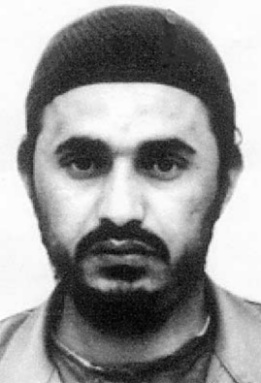
Abu Musab al-Zarqawi
Birthday
+1966-10-30
Birth Sign
Sagittarius
Birthplace
Zarqa
Age
Died at 39
About
Ahmad Fadeel Nazal al-Khalayleh took the name Abu Musab al-Zarqawi and built one of the most feared militant networks of the Iraq War. Born in Zarqa, Jordan, on October 30, 1966, he grew up in a working-class town north of Amman and drifted into petty crime before traveling to Afghanistan in the late 1980s to join the fight against the Soviet-backed government. That trip reshaped his life. He returned to Jordan, was jailed for several years in the 1990s, and emerged more radical than when he went in. In 1999, al-Zarqawi formed Jama'at al-Tawhid wal-Jihad, a group that began with a few dozen fighters and a base in northeastern Iraq after the U.S. invasion in 2003. He ran it until his death in 2006. The organization carried out suicide bombings, assassinations, and hostage executions, and al-Zarqawi claimed responsibility for many of them in audio and video recordings. He opposed Western military presence in the Muslim world and Western support for Israel. In 2004 he pledged allegiance to Osama bin Laden, and the group became known as al-Qaeda in Iraq, with al-Zarqawi as its emir. The following year he declared war on Shia Muslims in Iraq after an Iraqi government offensive in the Sunni town of Tal Afar, sending bombers against American soldiers and Shia militia strongholds. Investigators also linked him to the 2005 bombings of three hotels in Amman that killed dozens. He was killed on June 7, 2006, at age 39, when a joint U.S. force struck a safehouse in Hibhib, Iraq, where he was meeting with associates. Supporters sometimes called him the Sheikh of slaughtering, a name that reflected the reputation he cultivated. His death did not end the organization he founded; it evolved into the Islamic State years later, a trajectory that traced back to the Jordanian militant who started with a small band of fighters in 1999.
Death & Aftermath
Died
+2006-06-07 (aged 39)
Death Place
Hibhib, Diyala, Iraq
Cause of Death
Blast trauma from air strike
In his last weeks, Abu Musab al-Zarqawi moved among safe houses in Diyala province, keeping off the grid. His final public appearance came in a video message released in April 2006. On the evening of June 7, 2006, he was meeting with associates, including his spiritual adviser Sheikh Abd al-Rahman, at an isolated farmhouse near Hibhib, outside Baquba. At about 6:15 p.m. Baghdad time, two U.S. Air Force F-16 Fighting Falcons dropped two 500-pound bombs on the building. President Bush announced the killing the following morning: "Last night in Iraq, United States military forces killed the terrorist al Zarqawi... Now Zarqawi has met his end, and this violent man will never murder again."
Iraqi and U.S. officials said al-Zarqawi survived the initial blast but died of internal injuries before Iraqi forces and U.S. troops reached him; some accounts described him as alive but unconscious when found, dying shortly afterward. The official cause was reported as blast trauma from the air strike. His identity was confirmed through fingerprinting and facial recognition, with DNA testing also reported, and the Department of Defense released photographs of his body. The precise sequence of his death and the identity of others killed with him beyond his adviser were never fully established, and claims about who provided the intelligence tip that located him were variously attributed to a Jordanian source, an informant within his network, and signals intelligence.
U.S. and Iraqi officials publicly welcomed the killing. President Bush framed it as a blow to terrorism, and Prime Minister Nouri al-Maliki's government hailed it. The Brookings Institution published analysis arguing the death was a significant but not decisive blow to the insurgency, cautioning that the movement could regenerate. In Iraq, some expressed relief while others feared reprisals, and al-Qaeda in Iraq vowed revenge. No public funeral was held. His body was handled by U.S. and Iraqi authorities, and reports indicated he was buried in Iraq in an unmarked location, in accordance with Islamic practice, though this was never officially confirmed in detail.
His death was followed by numerous books and documentaries, including analyses of his role as the "godfather" of the Islamic State, and he features prominently in histories of al-Qaeda in Iraq and ISIS; his writings and letters, such as the 2004 "Zarqawi Letter," continued to circulate. In February 2026, Iraqi authorities demanded the removal of a book attributed to him from the Damascus International Book Fair, and Syrian authorities complied. Statements by his family were limited; his brother and other relatives reportedly condemned or distanced themselves from his actions at various points.
Awards & Accolades
Keywords
Quick Facts
- Profession
- mujahid, politician
- Born
- +1966-10-30
- Birthplace
- Zarqa
- Died
- +2006-06-07
- Death Place
- Hibhib
- Gender
- Male
- Birth Sign
- Sagittarius
Join the community
fans discussing