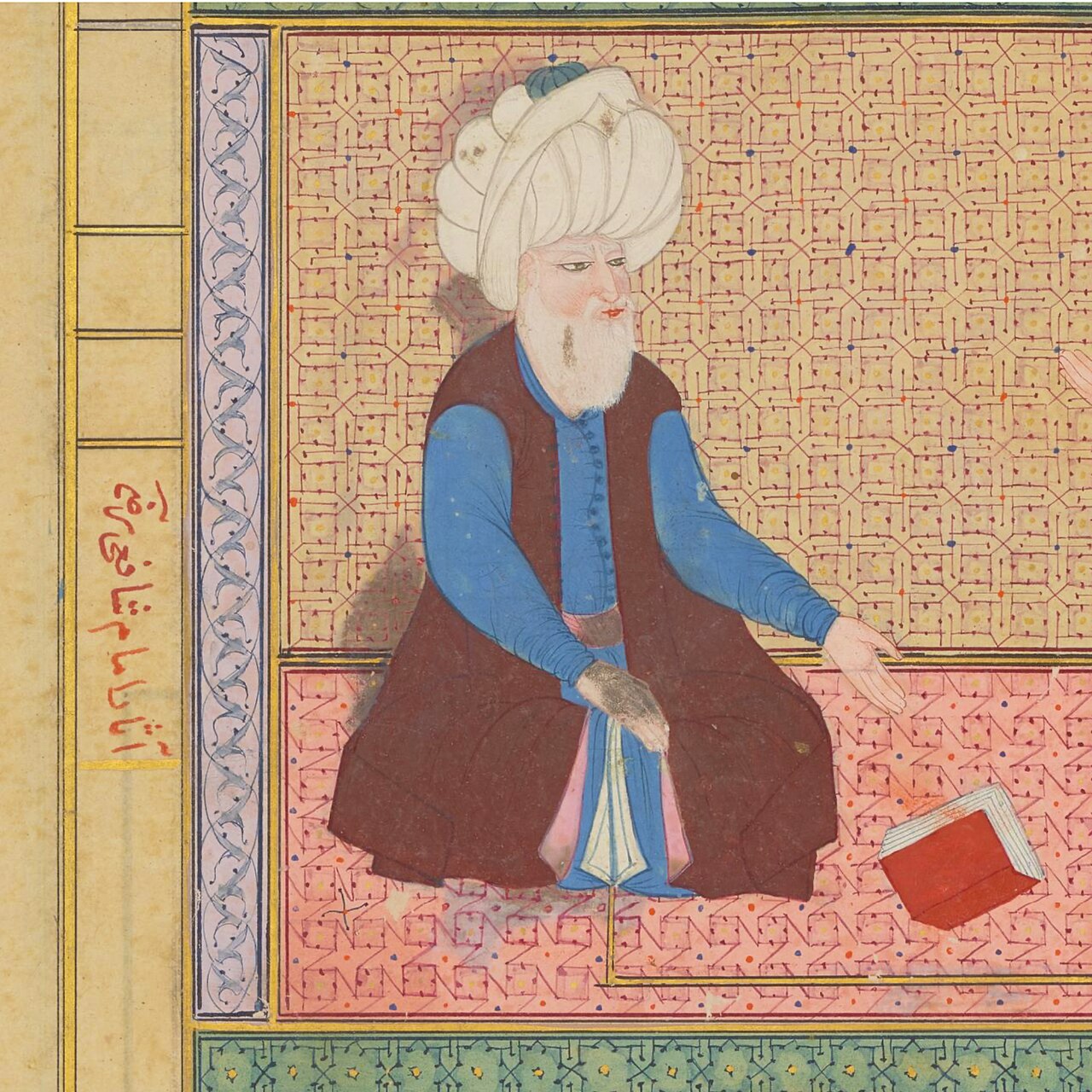
Abu Abdullah al-Shafi'i
 Iraq
IraqBirthday
January 1, 2000
Birth Sign
Capricorn
Birthplace
Zakho, Iraqi Kurdistan
Age
26 years old
About
Abu Abdullah al-Shafi'i, born Wirya Rasoul Salih Hawleri in Zakho, Iraqi Kurdistan, is a Kurdish militant leader prominently known for his former leadership roles in jihadist organizations operating in Iraq and beyond. He served as the head of Ansar al-Islam, Jamaat Ansar al-Sunna, and Jama'at Ansar al-Islam. His involvement in militancy was significantly shaped by his combat experience as a veteran of the conflicts in Afghanistan and Chechnya, where he fought before assuming command positions within these groups. These experiences positioned him as a key figure in the region's militant landscape during the early 2000s. His activities and leadership trajectory within these organizations were closely monitored, reflecting the complex and often violent dynamics of the era. The culmination of his operational period came with his capture by Iraqi authorities on May 3, 2010, an event that marked the end of his active leadership in the field. Since his detention, public information regarding his status has been minimal, underscoring the secretive nature of his former affiliations and activities.
Early Life & Background
Limited information is available regarding the early life of Abu Abdullah al-Shafi'i, whose birth name was Wirya Rasoul Salih Hawleri. He hailed from Zakho, a city situated in Iraqi Kurdistan. Prior to his ascent to leadership within militant circles, al-Shafi'i gained crucial combat experience by participating in the conflicts in Afghanistan and Chechnya. These early engagements were formative, drawing him into the broader spectrum of global jihadist movements and likely shaping his ideological convictions and strategic outlook. His return to Iraq and subsequent integration into the nascent militant structures of the region, particularly in the lead-up to the formation of Ansar al-Islam in September 2001, were pivotal steps in his journey towards assuming significant command roles.
Career Growth
Abu Abdullah al-Shafi'i's career is primarily defined by his leadership within several militant organizations. He rose to prominence as the head of Ansar al-Islam, a group established in Iraqi Kurdistan in September 2001, a formation that emerged from the merger of smaller entities. Subsequently, he assumed leadership of Jamaat Ansar al-Sunna and Jama'at Ansar al-Islam, underscoring his significant influence and operational reach within the Iraqi militant landscape. His tenure with these groups involved directing and participating in activities characteristic of jihadist insurgencies. However, his operational career was brought to an abrupt end when he was apprehended by Iraqi authorities on May 3, 2010. This capture occurred alongside seven other individuals, signifying a major disruption to the leadership structures he commanded. There is a conflicting report suggesting a figure with the same name was killed in Mosul in 2008, but the 2010 capture is the more widely documented event marking the conclusion of his active involvement.
Career Timeline
Public Image & Style
Abu Abdullah al-Shafi'i's public image is that of an elusive militant leader, primarily known through official reports concerning his past activities and eventual capture. He has no discernible presence in mainstream media or social platforms, and his public persona is intrinsically linked to his leadership roles within jihadist organizations rather than any form of public engagement or communication. His notoriety stems from his association with conflicts and militant movements, painting a picture of a figure operating largely in the shadows of regional security concerns.
Fame & Fandom
Abu Abdullah al-Shafi'i commands a distinct but compartmentalized sphere of global attention, existing primarily within the domains of historical jurisprudence and contemporary conflict analysis rather than popular culture. While his namesake, the eighth-century Imam, remains a foundational figure in Sunni Islamic law with millions of adherents across the Middle East, North Africa, and Southeast Asia, the militant leader holds no position within the modern celebrity hierarchy. iFANN has evaluated this individual as part of its ongoing assessment of global figures; however, the person does not currently hold a placement in the published Global Top 1,000 or any Top-100 scope list. Consequently, there is no numerical rank to assign to his fame relative to other public personalities. The audience associated with the militant leader consists of supporters within specific extremist networks, though these groups do not utilize a formal collective noun for their following. Unlike the religious scholar whose legacy is maintained through centuries-old institutions and educational endowments, the militant's presence is restricted to propaganda artifacts and official security reports regarding his capture. There are no documented fan campaigns, birthday initiatives, or viral marketing projects driven by an organic base of admirers for either iteration of the name. The distinction between the revered jurist and the condemned commander remains absolute in terms of cultural reception, with the former enjoying widespread veneration and the latter attracting only the scrutiny of international counter-terrorism bodies.
Interesting Facts and Legends
Abu Abdullah al-Shafi'i is sometimes mistakenly conflated with the esteemed historical figure Imam Abu Abdullah Muhammad ibn Idris al-Shafi'i (767–820 CE), the revered Islamic scholar and founder of the Shāfiʿiyyah school of law, who was born in Gaza and died in Cairo. The militant leader is identified as a Kurdish veteran of jihad in Afghanistan and Chechnya, highlighting his early immersion in global jihadist movements. His capture on May 3, 2010, involved seven other individuals, though their identities have not been widely disclosed. There is a conflicting report of a figure named Abu Abdullah al-Shafi'i, identified as the Islamic State's Commander of the North, being killed by American forces in Mosul on October 5, 2008, suggesting potential confusion or a separate individual with the same moniker. Historical lore surrounding the scholar includes pious anecdotes where he claimed to never debate a knowledgeable person without winning, stories often cited to illustrate his intellect rather than verified courtroom transcripts. For the militant, internal communications such as a letter from Abu Hamza al-Mujahir referencing him highlight political unity efforts among Islamic groups, serving as propaganda artifacts rather than fan-generated folklore. A widely retold story in Islamic tradition states that the scholar was only two years old when he memorized the Quran, demonstrating his prodigious intellect. He is also legendary for his defense of Prophetic traditions against those who relied solely on reason, famously declaring himself the Imam of the Sunnah.
Family & Personal Life
There is no publicly available information concerning the family life of Abu Abdullah al-Shafi'i. Details regarding his parents, siblings, or any marital status, including whether he had a spouse or children, are not documented in public records. His personal and domestic life remains entirely private and unrevealed to the public domain.
Notable Connections
Relationships & Dating History
Information pertaining to Abu Abdullah al-Shafi'i's romantic relationships or personal partnerships is not available in public records. His private life has not been documented, and there is no public knowledge of him ever being married or involved in any recognized relationships. Consequently, details concerning his dating history or significant personal connections remain unknown.
Salary, Net Worth In 2026
No financial information regarding Abu Abdullah al-Shafi'i's net worth is publicly accessible. As a leader within militant organizations, it is presumed he would have had access to funds generated and managed by these groups. However, any personal wealth or financial standing remains undocumented. His capture in 2010 and subsequent detainment have meant that his financial status has not been disclosed or investigated in the public sphere.
Awards & Accolades
Known For
Leadership of Ansar al-Islam
2001-2010 · Leader
Leadership of Jamaat Ansar al-Sunna
2003-2010 · Leader
Keywords
Sources
Quick Facts
- Born
- January 1, 2000
- Birthplace
- Zakho, Iraqi Kurdistan
- Gender
- Male
- Birth Sign
- Capricorn
Personal Details
- Full Name
- Wirya Rasoul Salih Hawleri
Frequently Asked Questions
Who is Abu Abdullah al-Shafi'i?
What is Abu Abdullah al-Shafi'i known for?
When was Abu Abdullah al-Shafi'i captured?
What militant groups did Abu Abdullah al-Shafi'i lead?
Where is Abu Abdullah al-Shafi'i from?
Join the community
fans discussing