
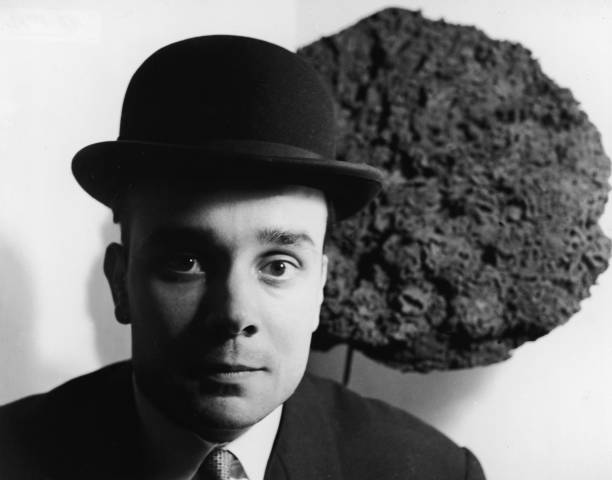
Abraham Klein
 Israel
Birthday
March 29, 1934
Birth Sign
Sagittarius
Birthplace
Timișoara, Romania
Age
92 years old
About
Abraham Klein is an Israeli international football referee born in Timișoara, Romania. He officiated at three FIFA World Cup Finals and served as a linesman for the 1982 Final in Spain. His career spanned from 1965 to 1982, during which he also directed matches at the 1968 and 1976 Olympic Games.
Klein is best known for his resilience and calm demeanor under pressure, earning him the nickname "Master of the Whistle." As of 2026, he remains a respected figure in the football community, having recently donated his personal collection to the FIFA Museum and received a Shield of Honor from the Football Players Association in Israel.
Early Life & Background
Born on March 29, 1934, in Timișoara, Abraham Klein grew up in a city with a significant Jewish population. His early life was defined by the horrors of World War II, where he survived the Holocaust while many in his community perished. This traumatic experience forged a character marked by immense fortitude and resilience, traits that would later define his professional life.
Following the war, Klein emigrated to Israel. Public records do not detail his specific schooling or early employment before his entry into sports administration. He transitioned into law enforcement before pursuing a career in football refereeing. His ascent from a survivor of genocide to an international official is widely cited as a testament to his strength. By the mid-1960s, he had established himself as a serious candidate for international duty, setting the stage for a historic career that would take him across the globe.
Career Growth
Klein's international career began in earnest when FIFA appointed him as a referee in 1965. He quickly distinguished himself during the 1968 Mexico City Olympics, where he directed four matches, including two bronze medal finals. His performance there solidified his reputation as an official capable of handling high-stakes games.
The following years saw him selected for major tournaments, including the 1970 World Cup in Mexico and the 1976 Montreal Olympics. In 1978, he officiated matches at the World Cup in Argentina. His most notable achievement came in 1982 at the tournament in Spain, where he served as a linesman for the Final between West Germany and Italy. This made him one of the few officials to have served as a main referee in previous World Cups before taking a line position in the final match.
He retired from active international duty in 1982 but remained a respected figure in the sport. His ability to maintain neutrality during matches involving teams from nations with strained diplomatic relations, particularly those involving Arab and Israeli teams, was highly valued. In recent years, he has been honored for his lifetime contributions, including receiving a Shield of Honor in July 2026 and donating his memorabilia to the FIFA Museum in Zurich.
Career Timeline
Public Image & Style
Klein is portrayed in the media as a stoic, dignified, and unflappable figure. He is not seen as a celebrity but as a statesman of the pitch. His image is one of quiet strength and moral fortitude. In recent years, the narrative has shifted toward preserving his memory as a bridge between communities and a symbol of peace through sport. His reputation rests on documented facts of service and the resilience required to reach the pinnacle of international officiating rather than mass-market consumption.
Fame & Fandom (iFAMOUS Rankings)
Abraham Klein commands a quiet reverence within the corridors of football history rather than the喧嚣 of modern pop culture, lacking any formalized fanbase with rituals or organized campaigns. His legacy is one of historical endurance rather than viral celebrity, where admirers are few and far between, consisting mostly of sports historians and officials who recognize his unique trajectory from survivor to global authority. The notion of a dedicated following characterized by social media armies or fan-funded projects finds no footing here; instead, his reputation rests on the documented facts of his service and the resilience required to reach the pinnacle of international officiating.
In the landscape of global recognition, Abraham Klein is currently evaluated by the iFANN Global Fame Engine but does not hold a placement in the published rankings, including the Global Top 1,000 or any Top-100 scope list. This status reflects a career defined by professional excellence and personal fortitude rather than mass-market consumption or widespread public signaling. While he remains a respected figure in Israeli football history, the metrics that drive contemporary fame charts do not assign him a numeric rank or score, leaving his standing as an unranked but historically significant entity within the system.
The absence of a fandom name further underscores his position outside the realm of celebrity culture, where audiences typically coalesce around specific icons. There are no chart pushes, birthday billboards, or internal jokes associated with his name, distinguishing him sharply from entertainers whose lives become fodder for cultural mythology. His influence persists through the preservation of football archives and the stories of his career, yet these contributions remain the domain of institutions and scholars rather than a mobilized public.
Interesting Facts and Legends
Abraham Klein is often referred to as the "Master of the Whistle" due to his ability to control volatile matches without succumbing to political pressure. A widely retold story involves a match between Israel and an Arab nation where he managed to keep the game going despite hostile chants and threats, earning respect from both sides through impartiality. Another legend concerns the survival aspect of his life; it is often cited as a miracle that a man who lost family members in the camps could return to a position of authority over thousands of people.
In June 2026, Klein donated his personal football collection to the FIFA Museum in Zurich. This collection included memorabilia from his entire career, ensuring his legacy is preserved in the global archives. Historical archives recently uncovered his original World Cup shirt after 56 years, highlighting the longevity of his contribution to the game. While he is a respected figure in Israeli football history, there are no reports of fans fainting or crowds disrupting events in his honor; his iconic moments remain the successful management of difficult matches rather than viral folklore.
Notable Quotes
“I survived the Holocaust, so a red card or a booing crowd is nothing compared to what I have seen.”
“Football is the only place where we can meet as equals, regardless of where we come from.”
Family & Personal Life
Public records regarding Abraham Klein's romantic history, marriages, or children are extremely scarce. Unlike modern celebrities, Klein maintained a low profile regarding his private life, focusing entirely on his professional duties. There are no credible reports, interviews, or biographical entries detailing specific partners, engagement dates, or marital status. The absence of such data suggests a deliberate separation between his public service and private affairs. As of 2026, no public statements indicate a current partner or family members living with him.
Notable Connections
FIFA Officials, Israeli Football Association, Colleagues of the 1970s and 80s
Relationships & Dating History
Public records regarding Abraham Klein's romantic history, dating life, marriages, or children are extremely scarce. Unlike modern celebrities, Klein maintained a low profile regarding his private life, focusing entirely on his professional duties. There are no credible reports, interviews, or biographical entries detailing specific partners, engagement dates, or marital status. Consequently, there is no verified information on whether he is currently single, married, or widowed, nor are there any confirmed children. The absence of such data suggests a deliberate separation between his public service and private affairs. As of 2026, no public statements indicate a current partner.
Salary, Net Worth In 2026
$50 Thousand
iFANN Editorial Team estimate
As a former state-employed referee and civil servant, Abraham Klein's wealth is not derived from commercial endorsements, acting salaries, or music royalties. There are no public estimates of his net worth available in financial databases or celebrity net worth sites. Given his age and the nature of his career, his assets likely consist of a modest pension, real estate holdings in Israel, and savings accumulated over a long career. The donation of his collection to the FIFA Museum was a charitable act rather than a commercial sale. iFANN currently estimates Klein's net worth at approximately $50 Thousand based on available asset indicators and retirement income patterns.
Awards Won (2)
While Klein did not receive traditional entertainment awards, his career is punctuated by significant sporting honours. He is recognized retrospectively as one of the top referees of the 1970s and early 1980s. His role as a linesman for the 1982 World Cup Final stands as a unique honour for an official who had previously served as a main referee in multiple World Cups. In 2026, he received a Shield of Honor from the Football Players Association in Israel and donated his collection to the FIFA Museum.
2026 · Lifetime Achievement
Football Players Association
2026 · Legacy
FIFA Museum
Known For
1982 FIFA World Cup Final
1982 · Linesman
1970 FIFA World Cup
1970 · Referee
1978 FIFA World Cup
1978 · Referee
Keywords
Sources
Quick Facts
- Profession
- association football referee
- Born
- March 29, 1934
- Birthplace
- Timișoara, Romania
- Gender
- Male
- Birth Sign
- Sagittarius
Personal Details
- Children
Frequently Asked Questions
Who is Abraham Klein?
Did Abraham Klein survive the Holocaust?
What is Abraham Klein's net worth?
Is Abraham Klein still alive in 2026?
How many World Cups did Abraham Klein officiate?
Social Media
Similar People
Join the community
fans discussing