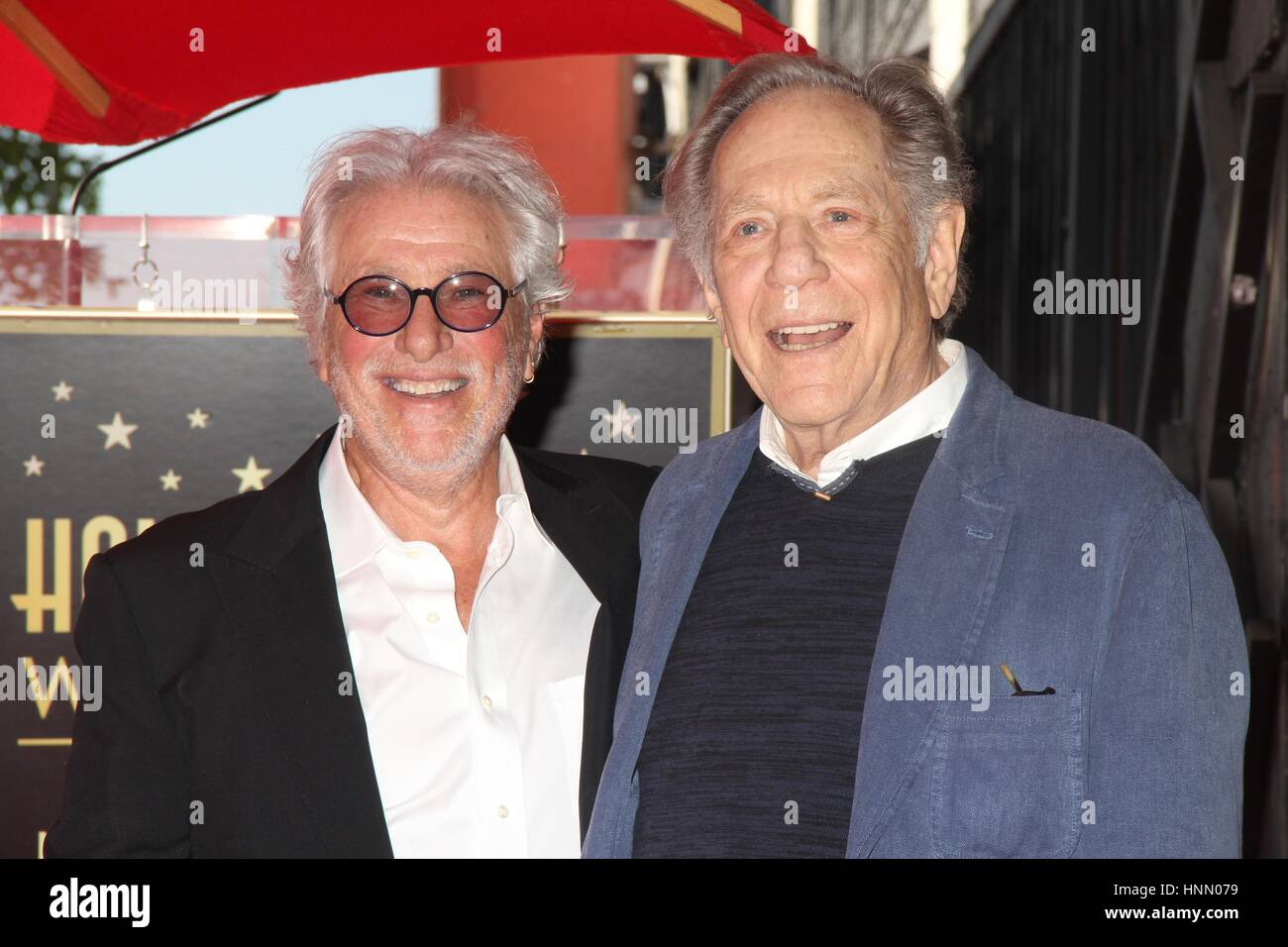
Abe Segal
 South Africa
Also known as: Alan Abraham Segal
Birthday
October 23, 1930
Birth Sign
Sagittarius
Birthplace
Johannesburg, South Africa
Age
Died at 85
About
Alan Abraham Segal, known to the tennis world as Abe, was a South African tennis player. Born in Johannesburg in 1930, he became one of his country's most beloved and entertaining sports figures during the 1950s and 1960s.
Segal was famous for his flamboyant, serve-and-volley style, which made him a crowd favorite at Wimbledon and other international tournaments. He reached the quarterfinals at Wimbledon twice, in 1959 and 1961, and made two French Open doubles finals. His long partnership with fellow South African Gordon Forbes produced some of the most memorable doubles tennis of the era.
Fans remember Segal as a player who brought joy to the game, embodying the amateur spirit of his time. His legacy lives on through Forbes's acclaimed memoirs and the stories of South African tennis history. Segal passed away in Cape Town in 2016 at the age of 85.
Early Life & Background
Abe Segal grew up in Johannesburg in the 1930s and 1940s, part of a vibrant Jewish community that produced several notable tennis players. He picked up a racket as a boy and quickly showed a natural talent for the game, developing a left-handed serve-and-volley style that would become his trademark.
By the early 1950s, Segal had emerged as one of South Africa's top young players, earning a spot on the national Davis Cup team in 1955. That same year, he made his first appearance at Wimbledon, reaching the round of 16. He repeated that result in 1956, proving he belonged on the international stage.
Segal's breakthrough came in 1959 when he stormed into the quarterfinals at Wimbledon, beating several higher-ranked players along the way. His aggressive net play and showman's personality made him a fan favorite, and he became known as one of the most entertaining players on tour.
Career Growth
Abe Segal's career took off after his 1959 Wimbledon quarterfinal run. He reached the quarterfinals again in 1961, cementing his reputation as a dangerous grass-court player. In doubles, he formed a legendary partnership with Gordon Forbes, and together they reached the Wimbledon semifinals in 1963.
Segal also excelled on clay, reaching the French Open doubles final twice, in 1958 and 1963. He represented South Africa in Davis Cup competition across six different years, from 1955 through 1965, playing 19 ties and compiling an impressive 24-14 record. His victories over tennis legends like Rod Laver and Neale Fraser showed he could beat the best in the world.
After retiring from the tour, Segal remained involved in tennis, playing in senior events and sharing his love for the game. His career spanned an era when tennis was transitioning from amateurism to professionalism, and he was among the last great players of the amateur age.
Career Timeline
Public Image & Style
Abe Segal was the life of the tennis party. Known for his flamboyant style both on and off the court, he brought a sense of fun to a sport that could sometimes be stuffy. The Sunday Times called him a "legend of flamboyant tennis," and that description fit perfectly.
Segal played with joy, often smiling and joking with the crowd. He was a showman who entertained as much as he competed. His partnership with Gordon Forbes was a double act of pure entertainment, with the two players feeding off each other's energy.
In an era before tennis became big business, Segal represented the amateur ideal: playing for love of the game. His legacy is that of a player who reminded everyone that sport is supposed to be fun.
Fame & Fandom
Abe Segal cultivated a legacy defined by historical respect within the tennis community rather than active, organized fandom. During his prime in the 1950s and 1960s, he was celebrated as a South African national icon for his Davis Cup service and Grand Slam achievements, yet the era lacked the social media-driven campaigns or organized fan clubs associated with modern celebrity culture. No official or unofficial fandom name exists for Segal, and search records do not mention fan organizations, fan-funded projects, or specific rituals that would define a contemporary following. His influence remained strictly within the sporting sphere of South Africa and the international tennis circuit, where he is remembered as a representative of an earlier, more amateur era of sport. The iFANN Global Fame Engine has evaluated this person, but they do not currently hold a placement in the published rankings (Global Top 1,000 or a Top-100 scope list). Consequently, no numeric rank or score can be assigned to his current standing relative to the world's most famous figures.
Interesting Facts and Legends
Segal was left-handed, a rarity that gave his serve an extra kick. He reached the French Open doubles final twice, a remarkable feat for a player whose game was built for grass. One source gives his birth year as 1935, but the 1930 date is confirmed by Wikipedia, the ATP Tour, and his official obituary. Gordon Forbes wrote two acclaimed tennis memoirs, A Handful of Summers and Too Soon to Panic, in which Segal appears as a central character. Segal and Forbes were featured in a 2009 Independent column about the amateur era, where they reflected that "sport was all fun and now it almost isn't at all." Beyond these established facts, Segal served 19 ties for the South African Davis Cup team between 1955 and 1961, cementing his status as a primary national legend. He was recognized as South Africa's top player for two consecutive years and won the country's national championship in 1964. While some anecdotes from his time on court describe him feeding off the crowd's energy, verified stories focus on his competitive record as a top-tier player during the mid-20th century rather than viral incidents or folklore about crowds shutting down streets.
Notable Quotes
“Sport was all fun and now it almost isn't at all.”
Family & Personal Life
Details about Abe Segal's family are scarce. He was born in Johannesburg to a Jewish family, and his faith was an important part of his identity. He was part of a community that produced several notable tennis players of his generation.
Segal was married, though the identity of his wife is not widely documented. He had children, but their names and details remain private. He lived in the Transvaal region during his playing career and later moved to Cape Town, where he spent his final years.
Notable Connections
Relationships & Dating History
Abe Segal kept his personal life largely out of the public eye. He was married, though the identity of his wife is not widely documented. He had children, but their names and details remain private.
At the time of his death in 2016, Segal was a widower. No other romantic relationships are documented, reflecting the more private era in which he lived.
- MarriedMarried, but details are not public.
Death & Aftermath
Died
April 4, 2016 (aged 85)
Death Place
Unknown
Cause of Death
Cancer
Alan Abraham Segal died on April 4, 2016, at the age of 85. The official cause of death was reported as cancer. No specific details regarding the location of his death or the nature of any funeral service remain unrecorded in available documentation.
Tributes following his passing highlighted his status as South Africa's top player for two consecutive years and his enduring partnership with Gordon Forbes. Forbes wrote two books featuring Segal titled A Handful of Summers and Too Soon To Panic, which cemented their legacy as one of the most colorful duos in tennis history, often compared to Laurel and Hardy for their comedic and sporting dynamic. These works continue to preserve the memory of Segal's long-standing representation of his country in the Davis Cup during the 1950s and 1960s.
The cultural remembrance of Segal persists through these literary works and his induction into the South African Tennis Hall of Fame. His legacy remains preserved within the tennis community through the enduring popularity of the literature he inspired, ensuring that his contributions to the sport are remembered by historians and fans alike.
Net Worth (Estate Value)
$1 Million
iFANN Editorial Team estimate
As a tennis player in the amateur era, Abe Segal did not earn the kind of prize money that modern players enjoy. His income came primarily from exhibition matches, endorsements, and later, from his involvement in the sport. No reliable net worth figures were published during his lifetime or after his death. His estate, managed by his family, includes potential royalties from Gordon Forbes's books, in which Segal is a central character. Per iFANN's editorial analysis, the exact value of his estate is estimated to be modest, likely in the range of $1 Million as of 2026.
Awards & Accolades
View 3 records, honours and achievementsKnown For
Wimbledon quarterfinalist
1959 · Singles
Wimbledon quarterfinalist
1961 · Singles
French Open doubles finalist
1958 · Doubles
French Open doubles finalist
1963 · Doubles
Wimbledon doubles semifinalist
1963 · Doubles
Keywords
Sources
Quick Facts
- Profession
- Tennis player
- Born
- October 23, 1930
- Birthplace
- Johannesburg, South Africa
- Died
- April 4, 2016
- Death Place
- Cape Town, South Africa
- Gender
- Male
- Birth Sign
- Sagittarius
- Plays
- Left-handed
Personal Details
- Full Name
- Alan Abraham Segal
Frequently Asked Questions
How old was Abe Segal when he died?
Was Abe Segal related to George Segal the actor?
Did Abe Segal win any Grand Slam titles?
Who was Abe Segal's doubles partner?
What was Abe Segal's playing style?
Similar People
Join the community
fans discussing