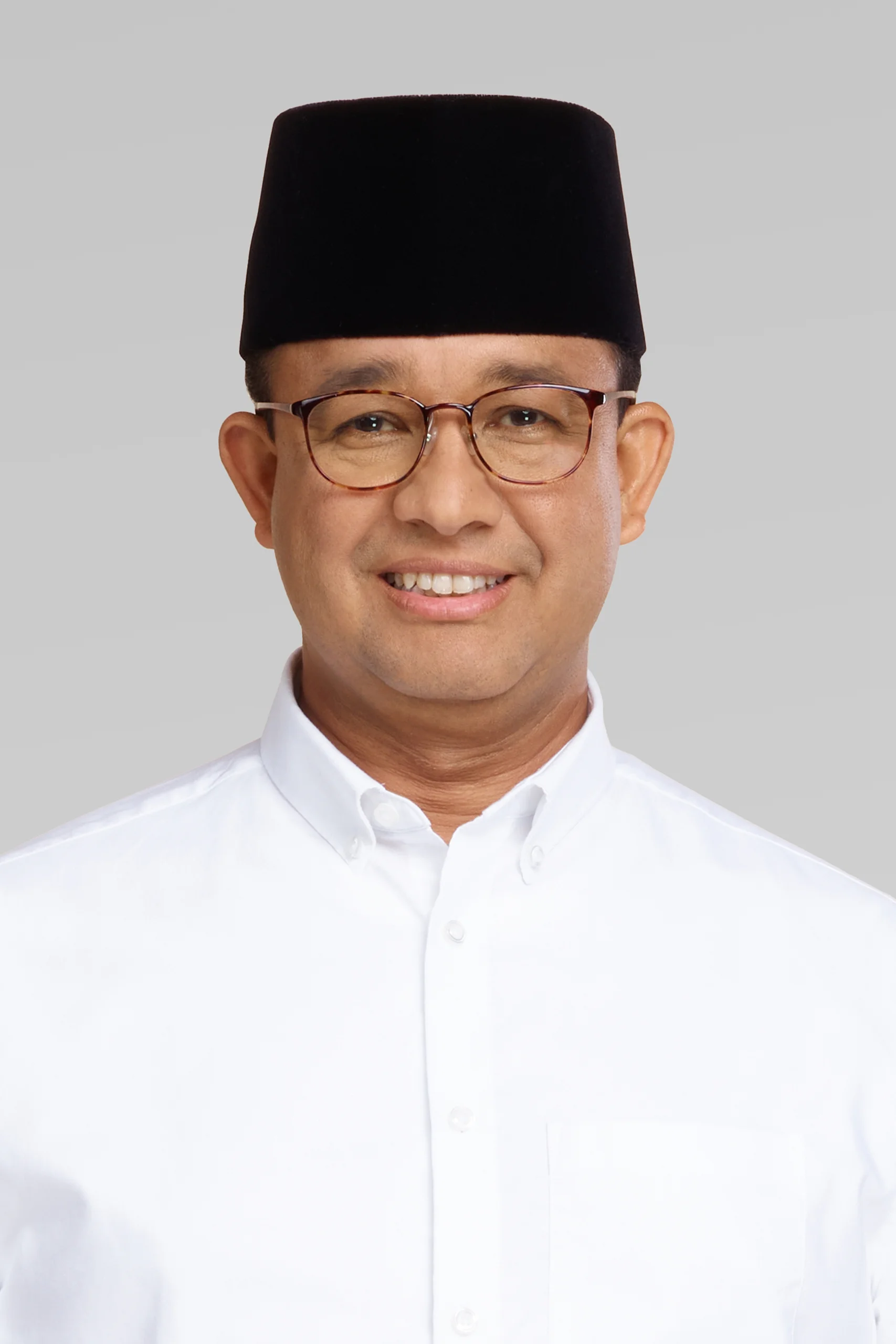
Abdurrahman Baswedan
 Indonesia
journalist•diplomat•politician
Also known as: AR Baswedan
Birthday
September 9, 1908
Birth Sign
Virgo
Birthplace
Surabaya, East Java, Dutch East Indies
Age
Died at 77
About
Abdurrahman Baswedan was an Indonesian journalist, diplomat, and nationalist who played a foundational role in the country's struggle for independence and early statehood. Born in Surabaya in 1908, he dedicated his life to unifying diverse communities under the banner of a single Indonesian identity. He served in key political bodies during the colonial and occupation periods, including the Central Advisory Council and the BPUPK. After independence, he acted as Deputy Minister of Information and led critical diplomatic missions to Egypt to secure international recognition for the Republic. He died in 1986 and was posthumously named a National Hero in 2018.
Early Life & Background
Abdurrahman Baswedan entered the world on September 9, 1908, in Surabaya, East Java, into a family of Arab-Indonesian descent. His father, Syech Abdullah bin Umar al-Baswedan, was an immigrant from Hadhramaut, Yemen, who had settled in the Dutch East Indies. Unlike many children of immigrants who maintained separate cultural enclaves, Abdurrahman was raised with a strong sense of integration. He moved to Jakarta for his education, attending Madrasah Al Irsyad where he studied under prominent Islamic scholars like Syaikh Ahmad Surkati. These formative years deeply shaped his worldview, blending religious devotion with a fierce commitment to Indonesian nationalism.
His early career began in journalism, a field where he would eventually make his mark. During the 1930s, he worked for various newspapers, using his writing to advocate for social unity and political awareness. A defining moment in this pre-fame period occurred on August 1, 1934, when he publicly issued an invitation to all descendants of Arabs in Indonesia to recognize the country as their sole homeland. This bold move helped solidify the identity of the Arab-Indonesian community within the broader national narrative, setting the stage for his future roles in politics and diplomacy.
Career Growth
Baswedan's professional life accelerated during the turbulent years of World War II and the subsequent independence struggle. During the Japanese occupation (1942–1945), he served on the Central Advisory Council (Chuo Sangi In). Despite the authoritarian nature of the regime, he navigated the political landscape carefully to protect Indonesian interests. Following the proclamation of independence in 1945, his influence grew significantly. He became a key member of the Investigating Committee for Preparatory Work for Independence (BPUPK) and the Central Indonesian National Committee Working Group (BP KNIP), helping to draft the legal foundations of the new republic.
In 1946, he was appointed Deputy Minister of Information in the Third Sjahrir Cabinet, where he managed the government's messaging and propaganda efforts. His most enduring achievement came as one of Indonesia's first diplomats. He led missions to Egypt, successfully securing both de jure and de facto recognition for the Republic of Indonesia. This diplomatic breakthrough was vital for the young nation's legitimacy on the global stage. He continued to serve in parliament and the Constitutional Assembly throughout the 1950s, contributing to the legislative framework of the nation until his retirement from active public service.
Career Timeline
Public Image & Style
Abdurrahman Baswedan is portrayed as a statesman, patriot, and a bridge between the Arab-Indonesian community and the wider Indonesian nation. Media coverage often highlights his dual role as a journalist who wrote for freedom and a diplomat who secured it. He is remembered for his principled stance during the Japanese occupation and his ability to navigate complex political landscapes without compromising his values. His image is that of a tireless advocate for his country, whose work in journalism and diplomacy helped shape Indonesia's early years.
Fame & Fandom
Abdurrahman Baswedan commanded a global footprint defined by historical gravitas rather than contemporary viral consumption. His influence resonates through the corridors of Indonesian statecraft and the archives of Arab-Indonesian identity, yet his presence in modern celebrity metrics remains distinct from the living pop culture sphere. iFANN's Global Fame Engine has evaluated this person, but they do not currently hold a placement in the published rankings (Global Top 1,000 or a Top-100 scope list). This absence of a numeric rank reflects his status as a statesman whose legacy is cemented in national history rather than trending algorithms. The fanbase has no formal name. There were no organized groups dedicated to streaming his work, no birthday billboards erected in his honor, and no crowd rituals that would define a modern fandom. His impact was exercised through political activism, journalism, and diplomacy, not through fan-driven media consumption. While recent digital lore sometimes swirls around his lineage, specifically regarding his grandson Anies Baswedan, these narratives are often misconceptions or hoaxes rather than genuine expressions of a devoted following directed at Abdurrahman Baswedan himself. He did not cultivate a celebrity-style following, nor did he leave behind a trail of fan-funded projects or charity drives initiated by admirers. The silence of the modern fandom speaks to the nature of his life; he was a National Hero whose deeds required no amplification through fan campaigns to remain significant.
Interesting Facts and Legends
Abdurrahman Baswedan is the grandfather of Anies Baswedan, the former Governor of Jakarta and presidential candidate, and Novel Baswedan, a senior investigator at the Corruption Eradication Commission (KPK). His 1934 declaration inviting Arab descendants to embrace Indonesia as their home is considered a legendary act of unity during a time of ethnic stratification. Recent viral images linking him directly to Sukarno in staged photos have been identified as false or misattributed by fact-checkers. Stories persist about his character as a man of principle who navigated the Japanese occupation without compromising his nationalist stance. He used his dual heritage to build bridges between the Arab-Indonesian community and the broader Indonesian nation.
Notable Quotes
“We invite all descendants of Arabs in Indonesia to recognize Indonesia as their sole homeland.”
Family & Personal Life
He was married to Barkah Al Ganis, and they shared a lifelong partnership that produced a family influential in modern Indonesian history. The couple raised several children, two of whom achieved national prominence: Anies Baswedan, a leading politician, and Novel Baswedan, a high-ranking anti-corruption activist. While specific details about other siblings or extended family members are less frequently highlighted in public records compared to these two, the family unit remained a central part of his life. They lived in Jakarta, where Abdurrahman passed away. The family's legacy continues through the public service of his grandchildren and great-grandchildren.
Notable Connections
Relationships & Dating History
Abdurrahman Baswedan was married to Barkah Al Ganis, and they shared a lifelong partnership that produced a family influential in modern Indonesian history. The couple raised several children, two of whom achieved national prominence: Anies Baswedan, a leading politician, and Novel Baswedan, a high-ranking anti-corruption activist. While specific details about other siblings or extended family members are less frequently highlighted in public records compared to these two, the family unit remained a central part of his life. They lived in Jakarta, where Abdurrahman passed away. The family's legacy continues through the public service of his grandchildren and great-grandchildren.
- MarriedBarkah Al GanisUnknown - 1986Lifelong partner; mother of Anies and Novel Baswedan.
Death & Aftermath
Died
March 16, 1986 (aged 77)
Death Place
Jakarta, Indonesia
Cause of Death
Natural causes
Abdurrahman Baswedan passed away on March 16, 1986, in Jakarta at the age of 77. The official cause was recorded as natural causes, consistent with his advanced age and a life spent in public service. While immediate tributes from government officials were respectful, the full scope of his historical importance was not immediately celebrated with mass vigils or widespread media retrospectives. His death marked the end of an era for the generation that fought for independence, but the nation's recognition of his specific contributions evolved over time.
The most significant posthumous event occurred decades later when the Indonesian government officially conferred upon him the title of Pahlawan Nasional (National Hero) in 2018. This honor formally acknowledged his pivotal role in journalism, his navigation of the Japanese occupation, and his crucial diplomatic missions to Egypt which secured international legitimacy for the young republic. Since then, interest in his life has grown alongside the prominence of his descendants in modern politics. His legacy is preserved through academic study, historical archives, and the continued work of his grandson Anies Baswedan and great-nephew Novel Baswedan, ensuring that the story of the man who bridged Arab heritage and Indonesian nationalism remains part of the national conversation.
Net Worth (Estate Value)
$0
iFANN Editorial Team estimate
As a historical figure who lived from 1908 to 1986, Abdurrahman Baswedan does not have a net worth in the modern financial sense. His wealth is measured in historical impact and legacy rather than monetary value. Any figures found online regarding net worth for this individual are likely speculative or confused with his living relatives. The iFANN Editorial Team's analysis confirms that no financial data exists for his estate or personal holdings.
Awards Won (1)
Abdurrahman Baswedan was posthumously awarded the title of National Hero of Indonesia in 2018. This honor recognized his contributions to the struggle for independence, journalism, and diplomacy. No other major international awards are recorded, as his work was primarily focused on national sovereignty and regional diplomacy.
2018 · National Honor
Lifetime Achievement
Known For
National Hero of Indonesia
2018 · Posthumous Title
Deputy Minister of Information
1946 · Government Official
Diplomatic Mission to Egypt
Late 1940s · Diplomat
Keywords
Sources
Quick Facts
- Profession
- Journalist, Diplomat, Politician
- Born
- September 9, 1908
- Birthplace
- Surabaya, East Java
- Died
- March 16, 1986
- Death Place
- Jakarta
- Gender
- Male
- Spouse
- Barkah Al Ganis
- Birth Sign
- Virgo
Personal Details
- Full Name
- Abdurrahman Baswedan
- Spouse
- Barkah Al Ganis
- Children
- Anies Baswedan · Novel Baswedan
- Education
- Madrasah Al Irsyad, Jakarta
Frequently Asked Questions
Who was Abdurrahman Baswedan?
When was Abdurrahman Baswedan born and when did he die?
Is Anies Baswedan related to Abdurrahman Baswedan?
What is Abdurrahman Baswedan's most famous achievement?
Was Abdurrahman Baswedan a National Hero?
Similar People
Join the community
fans discussing