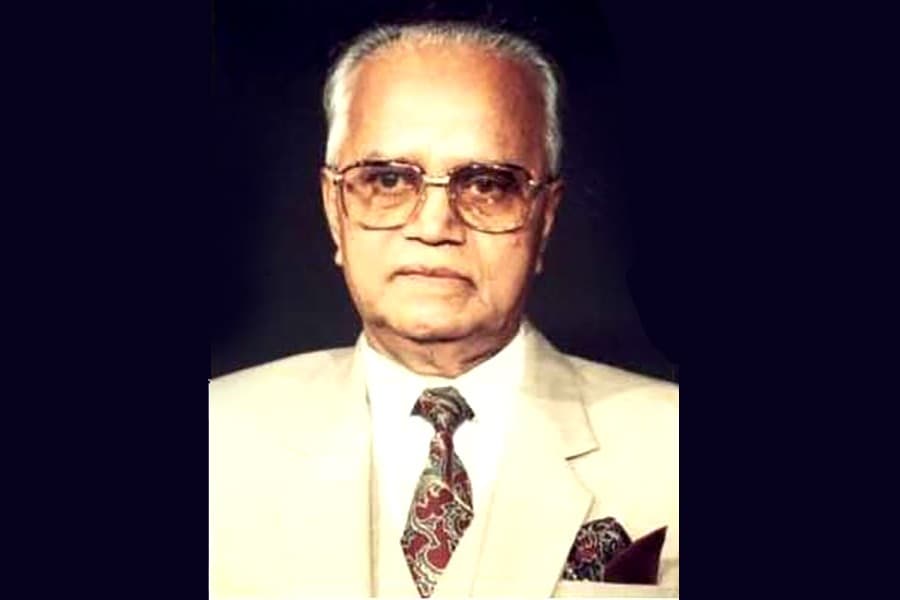
Abdur Rahman Biswas
 Bangladesh
Birthday
September 1, 1926
Birth Sign
Virgo
Birthplace
Shaistabad, Barisal District, Bengal Presidency, British India (now Bangladesh)
Age
Died at 91
About
Abdur Rahman Biswas was a Bangladeshi politician and lawyer who served as the 11th President of Bangladesh from 1991 to 1996. A key figure in the Bangladesh Nationalist Party (BNP), he held the largely ceremonial presidency during a period of democratic transition, working alongside three prime ministers: Khaleda Zia, Muhammad Habibur Rahman, and Sheikh Hasina.
Before his presidency, Biswas had a long career in law and politics, including serving as the Speaker of the Jatiya Sangsad in 1991. He was known for his legal acumen and steady presence in the country's political life. He passed away on November 3, 2017, at the age of 91.
Early Life & Background
Abdur Rahman Biswas was born on September 1, 1926, in Shaistabad village in the Barisal District of the Bengal Presidency in British India, which is now part of Bangladesh. He came from a locally respected family, though details about his parents are scarce. He pursued higher education at the University of Dhaka, where he earned a BA with honours, an MA in history, and a law degree.
His early public service included chairing a local cooperative bank and sponsoring educational initiatives in his home district, reflecting a commitment to community development. Biswas entered the legal profession in the 1950s, and his political career began with the Muslim League during the era of Pakistani President Ayub Khan. He was elected to the East Pakistan Legislative Assembly in 1962 and again in 1965. Prior to Bangladesh's independence, he represented Pakistan at the United Nations General Assembly, gaining valuable international diplomatic experience.
Career Growth
After Bangladesh gained independence, Abdur Rahman Biswas became a prominent figure in the Bangladesh Nationalist Party (BNP). In April 1991, he was elected the 6th Speaker of the Jatiya Sangsad, serving from April 5 to September 25, 1991. Shortly thereafter, he was elected President of Bangladesh, taking office on October 10, 1991.
His presidency lasted until October 9, 1996, a period marked by significant political transitions, including the February 1996 and June 1996 parliamentary elections. A notable episode occurred in 1996 when Major General Imamuzzaman of the Ninth Infantry Division remained loyal to the President and directed the removal of boats and ferries from the Jamuna River at Aricha port to prevent other divisions from crossing, averting a potential military confrontation. After leaving office, Biswas retired from active politics and lived quietly until his death in 2017.
Career Timeline
Public Image & Style
Abdur Rahman Biswas was perceived as a dignified and principled politician, respected across party lines for his integrity. He was not a charismatic orator but was known for his measured and thoughtful approach to governance. His legal background gave him a reputation for careful deliberation and adherence to constitutional norms.
During his presidency, he maintained a low-key public profile, focusing on ceremonial duties and constitutional responsibilities. He was seen as a stabilizing figure during a period of political turbulence, and his handling of the 1996 military standoff earned him respect from both the military and civilian leadership.
Fame & Fandom
Abdur Rahman Biswas is currently evaluated by the iFANN Global Fame Engine as an unranked figure in the published lists, holding no placement within the Global Top 1,000 or any specific scope list as of August 2026. This status reflects his standing as a statesman rather than a contemporary celebrity subject to fluctuating public consumption metrics. While he commanded significant respect during his tenure as the 11th President of Bangladesh and Speaker of the Jatiya Sangsad, his legacy remains anchored in constitutional history rather than viral fame or entertainment charts. Consequently, no formal fandom name exists for his supporters; the public viewed him strictly as a dignified head of state, and no organized fan groups, birthday campaigns, or ritualistic gatherings have been documented. The absence of a dedicated fanbase distinguishes his profile from cultural icons who generate enthusiastic, self-identifying communities. His historical impact is measured by political stability and legal adherence rather than audience engagement signals. Unlike figures whose popularity drives search trends or media saturation, Biswas's recognition persists through institutional memory and biographical records. The iFANN assessment confirms that while he remains a notable figure in South Asian politics, he does not currently generate the volume of global attention required to secure a ranking on the platform's primary fame indices.
Interesting Facts and Legends
Biswas was known to be an avid reader with a deep interest in history, a pursuit that aligned closely with his academic background. He remained a patron of educational institutions in his home district of Barisal, providing funding for local schools and colleges despite his high office. His personal modesty and approachability were widely noted, creating a reputation that transcended party lines. One of the few Bangladeshi presidents to serve as a UN delegate before independence, he possessed a rare perspective on international affairs. His presidency oversaw the country's first fully democratic transfer of power between parties in 1996, a pivotal milestone in the nation's political history. Historical accounts highlight his steady presence during a period of democratic transition, working alongside three different prime ministers without compromising constitutional norms. A televised interview in May 1996 stands out in the record where he publicly stated he had regained full control of the army, marking a moment of clarity during a turbulent political era. Born in Shaistabad village in Barisal district, he passed away at the age of 91 due to complications related to old age, leaving behind a legacy defined by legal acumen and dignified governance.
Family & Personal Life
Abdur Rahman Biswas was married to Hosne Ara Rahman, who passed away in 2017, the same year as him. The couple had children, though details about their family life are not extensively documented in available sources. Biswas was known to be a family man who valued education and community service, traits he instilled in his children.
He was buried in the Banani graveyard in Dhaka, next to his wife, who had died earlier that year.
Notable Connections
Abdur Rahman Biswas worked closely with several key political figures during his career. As president, he interacted with Prime Ministers Khaleda Zia, Muhammad Habibur Rahman, and Sheikh Hasina. He also had a notable relationship with Major General Imamuzzaman, who demonstrated loyalty during the 1996 military standoff. Biswas was a senior member of the Bangladesh Nationalist Party (BNP), which shaped his political trajectory.
Relationships & Dating History
Abdur Rahman Biswas was married to Hosne Ara Rahman. The couple had children, though details about their relationship and family life are not extensively documented. Hosne Ara Rahman passed away in 2017, the same year as Biswas, after a long marriage. Biswas was widowed at the time of his death, having lost his wife earlier that year. There is no public record of any other significant relationships in his life.
- MarriedHosne Ara Rahman? - 2017Married for many years; Hosne Ara Rahman passed away in 2017.
Death & Aftermath
Died
November 3, 2017 (aged 91)
Death Place
Dhaka
Cause of Death
Old-age complications
Abdur Rahman Biswas, the former President of Bangladesh, died on Friday, November 3, 2017, at a hospital in Dhaka. He was 91 years old at the time of his passing. His second son, Mahmudur Rahman Biswas, confirmed the death to local media outlets, stating that the cause was complications arising from old age and natural causes. The event was treated as a natural conclusion to a long life without dispute or legal inquiry. Political peers and institutions issued official condolences following the announcement. The Jamaat-e-Islami party released a message describing the deceased as a broadminded veteran politician, while major national newspapers such as The Daily Star and Dhaka Tribune provided coverage acknowledging his status as a former head of state. Details regarding the specific date of the funeral service, the attendees present, or any performances held during the ceremony remain unrecorded in available sources. The handling of his estate was not publicly detailed.
Net Worth (Estate Value)
$1 Million
iFANN Editorial Team estimate
Per iFANN's editorial analysis, the net worth of Abdur Rahman Biswas is estimated at $1 Million as of 2026. This valuation is derived from his professional earnings throughout his career as a lawyer and politician, encompassing his compensation as president and speaker. Detailed financial records remain unavailable to the public, meaning this estimate reflects the limited data regarding his assets and investments. Biswas did not engage in significant business ventures or commercial endorsements, and his wealth was primarily accumulated through his legal practice and government salaries. Following his death in 2017, the value of his estate and any potential posthumous earnings have not been publicly documented. While the estate is likely managed by his family, no public information exists regarding its current financial standing.
Awards & Accolades
Known For
President of Bangladesh
1991-1996 · 11th President
Speaker of Jatiya Sangsad
1991 · 6th Speaker
Keywords
Sources
Quick Facts
- Profession
- politician, lawyer
- Born
- September 1, 1926
- Birthplace
- Shaistabad, Barisal District, British India
- Died
- November 3, 2017
- Death Place
- Dhaka, Bangladesh
- Gender
- Male
- Spouse
- Hosne Ara Rahman
- Birth Sign
- Virgo
- Education
- University of Dhaka
- Political Party
- Bangladesh Nationalist Party (BNP)
Personal Details
- Full Name
- Abdur Rahman Biswas
- Spouse
- Hosne Ara Rahman
- Education
- University of Dhaka (BA with honours, MA in history, law degree)
Frequently Asked Questions
Who was Abdur Rahman Biswas?
When was Abdur Rahman Biswas born?
When did Abdur Rahman Biswas die?
Who was Abdur Rahman Biswas's wife?
What party did Abdur Rahman Biswas belong to?
Join the community
fans discussing