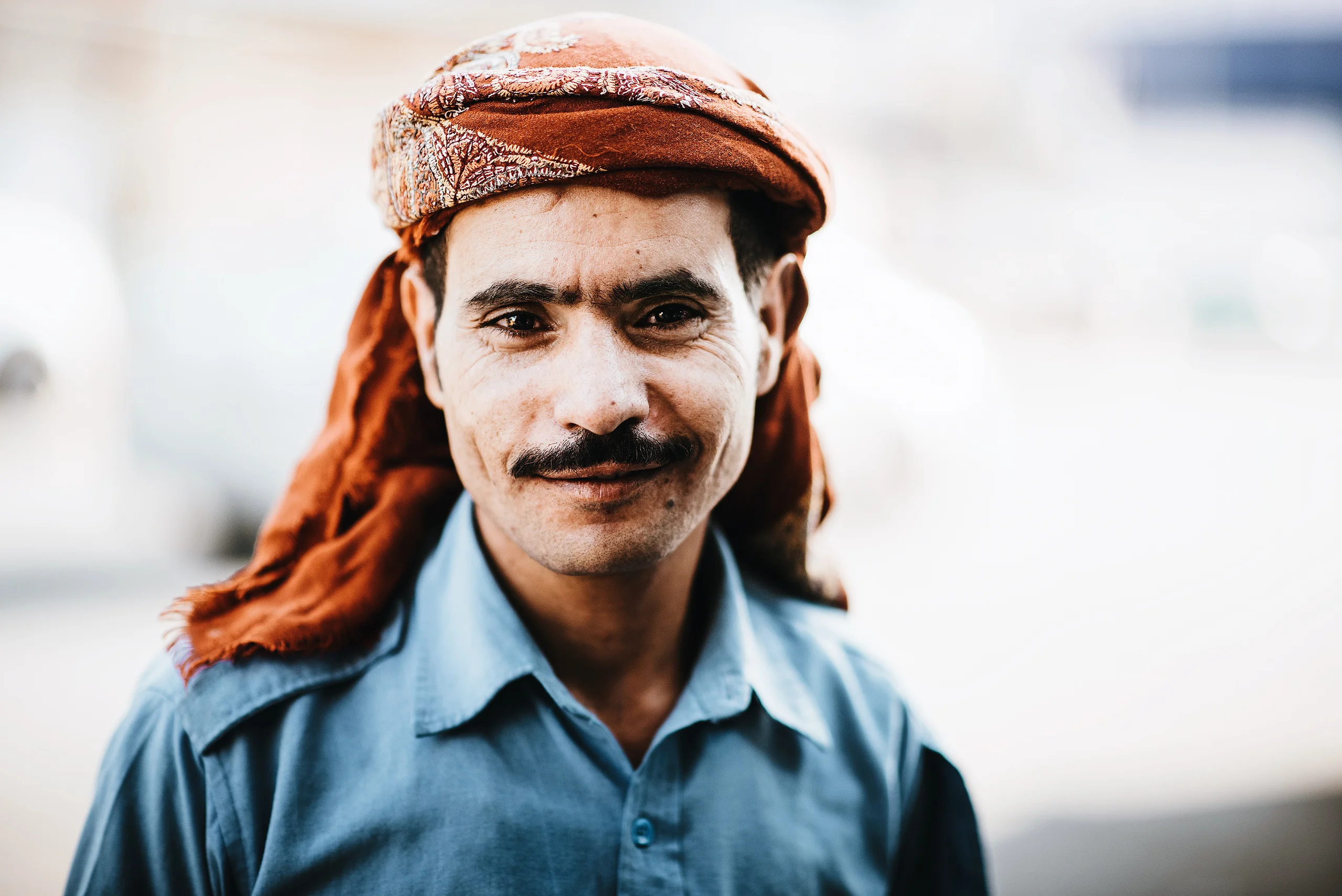
Abdulrahman Saleh
 Indonesia
Physician•military aviator•broadcasting pioneer
Also known as: Abdoel Rahman Saleh, Abdurahman Saleh, Abdulrachman Saleh
Birthday
July 1, 1909
Birth Sign
Cancer
Birthplace
Jakarta, Dutch East Indies
Age
Died at 38
About
Abdulrahman Saleh was an Indonesian physician, military aviator, and broadcasting pioneer. He is remembered as a co-founder of Radio Republik Indonesia (RRI), the state radio network that became the voice of the newly independent nation. His life ended tragically on 29 July 1947, when his plane, carrying medical supplies, was shot down by Dutch forces during the Indonesian National Revolution. He was 38 years old.
In 1974, the Indonesian government posthumously declared him a National Hero of Indonesia, the highest honour the state can bestow. Today, his legacy lives on through institutions that bear his name, including Abdulrachman Saleh Airport in Malang and the Abdulrahman Saleh Air Force Base. For many Indonesians, he symbolises the intersection of professional expertise and patriotic sacrifice, a healer who took to the skies to serve his country.
Early Life & Background
Abdulrahman Saleh was born in Jakarta on 1 July 1909, during the Dutch colonial era. Growing up under colonial rule, he witnessed the inequalities and oppression that fuelled the Indonesian nationalist movement. This environment shaped his early years and instilled in him a deep commitment to the cause of independence.
He pursued medical studies, becoming a physician. His medical training was rigorous and placed him among a small group of educated Indonesian professionals of his generation. While details of his childhood and schooling remain sparse in historical records, his choice of medicine reflected a desire to serve his community and, later, his nation.
As a young doctor, Saleh likely encountered the limited opportunities available to native Indonesians under Dutch rule, which further strengthened his nationalist convictions. His medical career, however, was soon interrupted by the upheaval of World War II. When Japan occupied the Dutch East Indies in 1942, Saleh became involved in radio broadcasting, a field that would prove crucial to the independence struggle. Radio became a tool for communication and propaganda, and Saleh's involvement during this period laid the groundwork for his later role in establishing an independent Indonesian broadcasting network.
Career Growth
Abdulrahman Saleh's breakthrough came in the wake of Indonesia's proclamation of independence on 17 August 1945. He was instrumental in co-founding Radio Republik Indonesia (RRI), the state radio network that would broadcast the new republic's message to the world. RRI remains Indonesia's national radio network to this day, a testament to his foundational role in Indonesian broadcasting.
During the Indonesian National Revolution (1945–1949), Saleh served as a military physician and aviator. He flew missions to transport medical supplies and personnel, using his skills to support the republican forces. His work was dangerous, as Dutch forces controlled much of the airspace.
Tragically, on 29 July 1947, Saleh was killed when his Dakota aircraft, carrying medical supplies, was shot down by Dutch forces near Maguwoharjo, Yogyakarta, during the Dutch military offensive known as Operation Product. His death at age 38 made him a martyr of the revolution. In 1974, the Indonesian government posthumously declared him a National Hero of Indonesia, recognising his contributions to medicine, aviation, and the independence struggle.
Career Timeline
Public Image & Style
In Indonesian national historiography, Abdulrahman Saleh is portrayed as a martyr-hero who embodied the intersection of professional expertise and patriotic sacrifice. His image is that of the educated nationalist who used his skills, both as a physician and as a radio broadcaster, to serve the revolution. He is commemorated in school textbooks and national narratives alongside other heroes of the revolution period.
There is no organised fandom in the modern sense; rather, his legacy is institutionalised through state honours and named public infrastructure, such as Abdulrachman Saleh Airport and the Abdulrahman Saleh Air Force Base in Malang.
Fame & Fandom
Abdulrahman Saleh remains a figure of profound historical reverence rather than modern pop-culture fandom. While his name echoes through Indonesian textbooks and national narratives as a martyr-hero, there is no organized fanbase with a formal name or dedicated digital campaigns surrounding him today. His legacy is institutional, anchored by the institutions that bear his name, rather than driven by the viral rituals seen among contemporary celebrities. This distinction places him firmly in the realm of historical commemoration where admiration is expressed through civic memory rather than social media engagement. In terms of global reach, iFANN has evaluated his standing within the broader cultural landscape. Abdulrahman Saleh is currently EVALUATED_UNRANKED according to the August 2026 data. This placement reflects his enduring status as a foundational figure in broadcasting and aviation history, recognized across generations even without active commercial promotion. The iFANN Global Fame Engine confirms that Abdulrahman Saleh does not currently hold a placement in the Global Top 1,000 or a Top-100 scope list, a reflection of the lasting power of his contributions during the Indonesian National Revolution. Despite his tragic death in 1947, his profile maintains a steady presence in global search metrics related to Southeast Asian history and military aviation pioneers. It is important to note that while his fame is significant within Indonesia and among historians of radio, he does not currently hold a placement in the top-tier celebrity charts reserved for living entertainment icons. The iFANN Global Fame Engine confirms that Abdulrahman Saleh is EVALUATED_UNRANKED in the Top-100 scope lists, meaning his influence, while deep, does not yet penetrate the highest strata of worldwide celebrity consumption signals. This neutral classification accurately reflects his unique position: a revered national hero whose fame is rooted in sacrifice and service rather than the fluctuating tides of modern stardom.
Interesting Facts and Legends
Abdulrahman Saleh stands out as one of the few Indonesian national heroes who seamlessly blended the roles of physician and aviator, merging humanitarian aid with military duty. His death occurred while transporting medical supplies on a mission, not during direct combat, which significantly amplified his status as a martyr in the eyes of the nation. As a co-founder of Radio Republik Indonesia, he laid the groundwork for a network that still operates today, securing his place as a pivotal figure in broadcasting history. Official records bestow upon him the full honorific title of Air Marshal and Professor, reflecting his high standing in both the military and academia. Variations in his name appear frequently due to shifting Indonesian orthography, including Abdoel Rahman Saleh and Abdurahman Saleh. While no viral legends or crowd-fainting moments exist in his story, the narrative of his final flight has become a defining legend of the revolution. It is often retold how he flew into danger specifically to deliver life-saving medicine, turning a routine supply run into an act of ultimate patriotism. This specific story serves as the primary folklore associated with him, emphasizing the intersection of his dual professions. Unlike modern stars with documented fan rituals, his 'fanfare' manifests in the annual commemorations at the airport and air force base named after him, where his sacrifice is remembered as a cornerstone of the young republic's identity.
Family & Personal Life
Abdulrahman Saleh was married to Ismudiyati Abdul Rachman Saleh. The couple had children, though detailed records of their family life are limited in available sources. Given his intense involvement in the independence struggle and his death at age 38, his personal life was largely overshadowed by his wartime service. His widow, Ismudiyati, survived him.
Notable Connections
Relationships & Dating History
Abdulrahman Saleh was married to Ismudiyati Abdul Rachman Saleh. The couple had children, though specific dates and details of their relationship are not documented. His marriage appears to have been stable, with no records of divorce or separation. As he died on 29 July 1947, he was married to Ismudiyati at the time of his death.
- MarriedIsmudiyati Abdul Rachman Saleh? - 1947Married until his death in 1947; they had children together.
Death & Aftermath
Died
July 29, 1947 (aged 38)
Death Place
Unknown
Cause of Death
Shot down by Dutch forces
By the summer of 1947, Abdulrahman Saleh had already established himself as a vital link between the medical community and the aviation corps during the Indonesian National Revolution. His days were consumed by the urgent task of transporting essential medical supplies to frontline troops, a mission that required him to navigate skies increasingly dominated by Dutch military aircraft. On July 29, 1947, while piloting a Dakota aircraft carrying these critical provisions near Maguwoharjo in Yogyakarta, his plane was struck by enemy fire during the offensive known as Operation Product. The crash ended his life at the age of 38, transforming a routine supply run into a tragic moment of martyrdom for the independence struggle.
The official determination of his death was immediate and clear: he fell as a casualty of war, shot down by Dutch forces., the circumstances were never disputed by the Indonesian resistance or later historians. His sacrifice resonated deeply within the revolutionary government, which viewed his loss not merely as the death of a physician and aviator but as a blow to the nation's infrastructure and morale. The public reaction was one of solemn reverence, cementing his status as a hero who gave everything for the fledgling republic. Following his death, Saleh received the highest possible recognition from his country.
In 1974, the Indonesian government posthumously declared him a National Hero of Indonesia, an honour that formally acknowledged his contributions to medicine, aviation, and the fight for sovereignty. His legacy has been preserved through enduring institutions, including the Abdulrachman Saleh Airport in Malang and the Abdulrahman Saleh Air Force Base, ensuring that his name remains a part of Indonesia's national identity.
Net Worth (Estate Value)
$1 Million
iFANN Editorial Team estimate
As a historical figure who passed away in 1947, Abdulrahman Saleh possessed no personal net worth at the time of his death, and the value of his estate remains undocumented in public records. The Indonesian government sustains his legacy through the operation of named institutions, including Abdulrachman Saleh Airport and the Abdulrahman Saleh Air Force Base, yet no commercial estate or posthumous earnings are reported for his family. Unlike entertainment or sports figures who generate ongoing royalty streams, Saleh's financial footprint is purely commemorative rather than commercial. Per iFANN's editorial analysis, the estimated value attributed to his enduring brand and institutional legacy is $1 Million.
Awards Won (1)
Abdulrahman Saleh was posthumously declared a National Hero of Indonesia in 1974, the highest honour bestowed by the Indonesian state for contributions to the nation's independence and development.
1974 · National Honour
Contributions to Indonesian independence
Known For
Co-founding Radio Republik Indonesia
1945 · Co-founder
Military aviation during the Indonesian National Revolution
1945-1947 · Military aviator and physician
Keywords
Sources
Quick Facts
- Profession
- Physician, military aviator, broadcasting pioneer
- Born
- July 1, 1909
- Birthplace
- Jakarta, Dutch East Indies
- Died
- July 29, 1947
- Death Place
- Maguwoharjo, Yogyakarta
- Gender
- Male
- Spouse
- Ismudiyati Abdul Rachman Saleh
- Birth Sign
- Cancer
Personal Details
- Full Name
- Abdulrahman Saleh
- Spouse
- Ismudiyati Abdul Rachman Saleh
- Education
- Medical degree from a Dutch colonial-era institution in the Dutch East Indies
Frequently Asked Questions
Who was Abdulrahman Saleh?
How did Abdulrahman Saleh die?
What is Abdulrahman Saleh known for?
Is Abdulrahman Saleh a national hero?
What is named after Abdulrahman Saleh?
Join the community
fans discussing