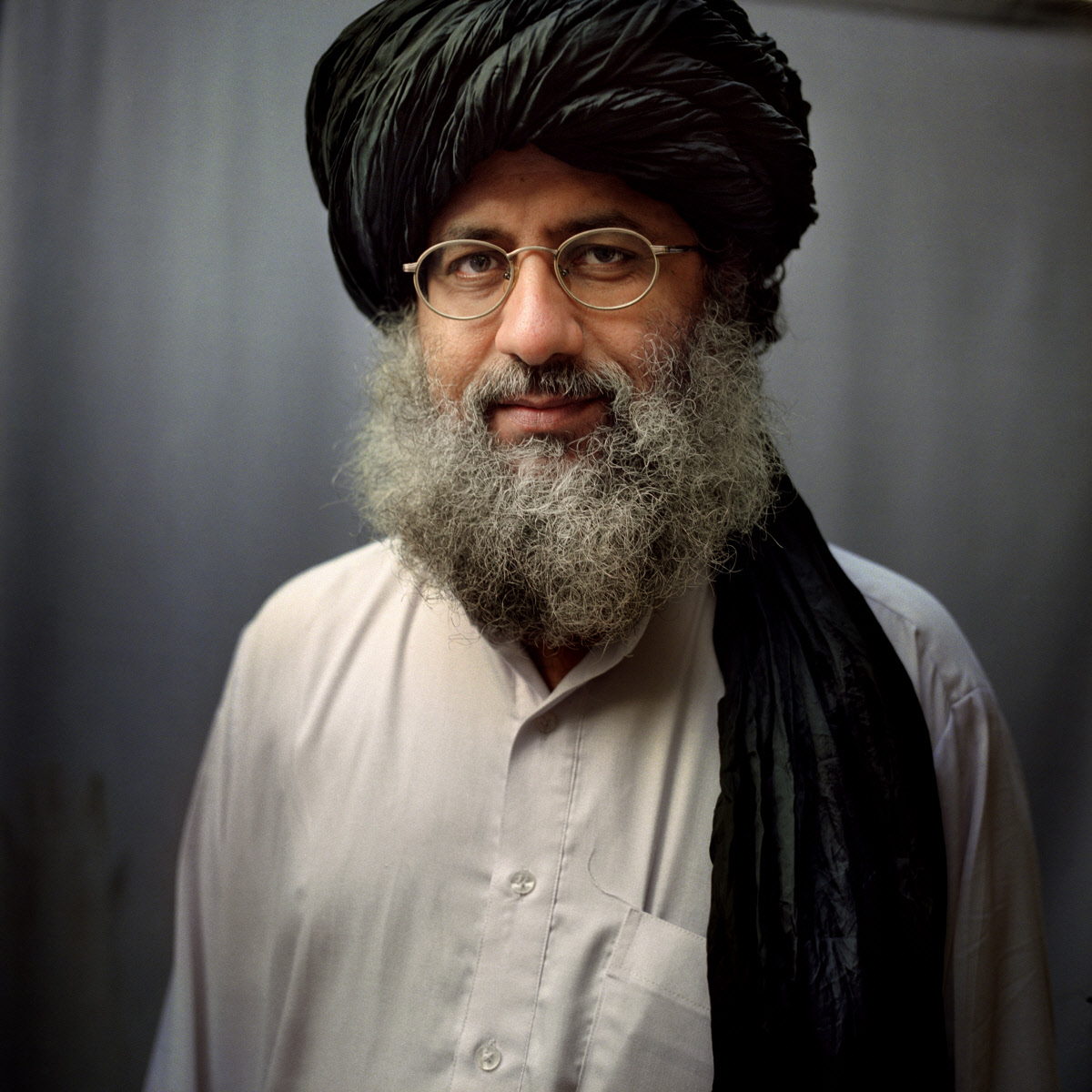
Abdul Rashid Ghazi
 Pakistan
Also known as: Abdul Rashid
Birthday
January 29, 1964
Birth Sign
Sagittarius
Birthplace
Islamabad, Pakistan
Age
Died at 43
About
Abdul Rashid Ghazi was a Pakistani Islamic scholar and former diplomat who served as the chief preacher of Lal Masjid, the Red Mosque, in Islamabad. He was a polarizing figure, remembered by supporters as a martyr and by critics as a dangerous extremist. His fiery sermons after 9/11 and the militant actions of the mosque's student wing brought him into direct conflict with the government of President Pervez Musharraf, culminating in his death during the 2007 military siege of the mosque.
Before his religious career, Ghazi worked for Pakistan's Ministry of Education and served as a diplomat with UNESCO, the United Nations cultural agency. He was the son of Maulana Muhammad Abdullah Ghazi, the founder of Lal Masjid, and the younger brother of Abdul Aziz Ghazi, who also became a prominent cleric. Ghazi's death in Operation Sunrise sparked controversy, with a 2016 court ruling calling it an extrajudicial assassination.
Early Life & Background
Abdul Rashid Ghazi was born in Islamabad in 1964 into a prominent clerical family. His father, Maulana Muhammad Abdullah Ghazi, had established Lal Masjid as a center of Islamic learning and activism. Despite this religious upbringing, Ghazi initially showed a dislike for religious life, according to a Dawn obituary. Instead, he pursued a secular path, working for Pakistan's Ministry of Education and later serving as an attaché with UNESCO, representing Pakistan in international educational and cultural matters.
This diplomatic background gave him a unique profile among clerics. He traveled internationally and gained administrative experience that would later shape his leadership at Lal Masjid. His father's death and the growing influence of the mosque eventually drew him back to the religious fold. Ghazi rose through the ranks, becoming the chief executive of Jamia Faridia University and the Khatib of Lal Masjid, positions that placed him at the heart of Islamabad's Islamist movement.
Career Growth
Ghazi's rise to prominence came through his leadership at Lal Masjid and its affiliated institutions. He served as chief executive of Jamia Faridia University and chaired the Defense of Human Rights Pakistan. In the years after 9/11, his sermons became increasingly critical of the Pakistani government's alliance with the United States, attracting a large following. In early 2007, female students from the adjacent Jamia Hafsa seminary occupied a children's library, escalating tensions with the government.
By February 2007, a stand-off had developed. When his brother Abdul Aziz was arrested in early July, Ghazi became the de facto leader of the rebellion inside the compound. On 10 July 2007, Pakistani Army special forces stormed the mosque in Operation Sunrise. Ghazi was killed during the assault, along with at least 60 others. His death led to legal proceedings; in 2016, the Islamabad High Court issued arrest warrants for Pervez Musharraf, calling the killing an extrajudicial assassination, a finding later upheld by the Supreme Court.
Career Timeline
Public Image & Style
Ghazi's public image is deeply divided. Supporters view him as a martyr who died resisting an illegitimate government aligned with American interests. Critics see him as a dangerous extremist whose militant student wing terrorized Islamabad residents. His sermons at Lal Masjid were known for their fiery rhetoric, and he was often photographed at rallies, such as an 'anti-vice' event in Islamabad. The Telegraph's obituary suggested a more complex personality than media portrayals indicated.
Fame & Fandom
The base of support for Abdul Rashid Ghazi was defined not by pop-culture fandom rituals but by religious and political loyalty within militant Islamist networks. His adherents, primarily members of Jamaat-ud-Dawa and sympathizers of the Lal Masjid movement, venerated him as a Shaheed or martyr following his death in the 2007 siege. This group organized around sermons and calls for jihad rather than streaming campaigns or fan-funded projects, distinguishing their devotion from conventional celebrity worship. The narrative of his defense of the mosque complex served as the central legend for these followers, transforming him into a potent symbol for neo-Talibanism in Pakistan. While distinct individuals with similar names have appeared in later conflicts, the legacy of this specific figure remains anchored in the events of Operation Sunrise and the subsequent rise of radical groups like the Ghazi Brigade. There is no documented formal name for this audience, reflecting the structured nature of their allegiance to the cause rather than an entertainment brand. iFANN has evaluated the global standing of Abdul Rashid Ghazi based on historical impact and contemporary references. Abdul Rashid Ghazi is currently unranked in the Global Top 1,000 or any Top-100 scope list published by the iFANN Global Fame Engine.
Interesting Facts and Legends
Before his religious career, Abdul Rashid Ghazi served as a diplomat with UNESCO and worked for Pakistan's Ministry of Education. He survived an assassination attempt in Islamabad where he repelled attackers using AK-47 rifles alongside his bodyguards, an event that earned him the title 'Ghazi,' meaning survivor from battle. A leader in the Difa-e-Pakistan Council, he also sat on a UNICEF committee regarding preventive healthcare, a role unusual for a cleric of his stature. Historical records distinguish him from other militants with similar names, such as the individual linked to the 2019 Pulwama attack, ensuring clarity in the historical record. The defining moment of his life became the subject of enduring stories among his supporters. During the final assault on July 10, 2007, he was killed inside the Lal Masjid complex while reportedly attempting to negotiate or defend the compound against Pakistani security forces. This event cemented his status as a martyr, with the story of his death becoming the primary narrative told to new recruits within the movement.
Family & Personal Life
Abdul Rashid Ghazi was the son of Maulana Muhammad Abdullah Ghazi, the founder and first Khatib of Lal Masjid. His younger brother, Abdul Aziz Ghazi, also became a prominent cleric and was arrested during the 2007 siege but survived. After his release, Abdul Aziz continued his campaign for Shariah law in Pakistan. Details about Ghazi's mother, wife, or children are not documented in available sources.
Notable Connections
Abdul Rashid Ghazi was closely associated with his father Maulana Muhammad Abdullah Ghazi, founder of Lal Masjid, and his brother Abdul Aziz Ghazi, who survived the siege and continued religious activism. He was also opposed to President Pervez Musharraf, whose government ordered the military operation that led to his death.
Relationships & Dating History
There is no public documentation of any romantic relationships or marriages for Abdul Rashid Ghazi. As a Pakistani Islamic cleric, his personal life was not publicly discussed. He was not known to have a spouse or children, and no credible sources report on any dating history. His status at the time of death was that of a religious leader.
Death & Aftermath
Died
July 10, 2007 (aged 43)
Death Place
Islamabad, Pakistan
Cause of Death
Reported gunshot wounds during armed confrontation
Abdul Rashid Ghazi died on July 10, 2007, at approximately 4:30 PM local time inside the Red Mosque compound in Islamabad, Pakistan. He was killed during Operation Sunrise when Pakistani army special forces stormed the mosque to retake it from militants, with official reports stating he sustained gunshot wounds while attempting to flee through a tunnel connecting the mosque to a nearby building. The cause of death was established primarily through military statements and eyewitness accounts rather than an independent autopsy, confirming he was neutralized during the armed confrontation alongside his brother Abdul Aziz. His death triggered immediate tributes from radical Islamist groups who celebrated him as a martyr, while vigils were held across Pakistan where mourners chanted slogans demanding justice for the fallen clerics.
International reactions remained mixed, with Western governments viewing the operation as necessary to curb extremism while many Muslim-majority nations expressed concern over the tactics used against a religious institution. Due to the ongoing security situation, Ghazi was buried within the premises of the Red Mosque shortly after his body was recovered, following Islamic burial rites performed by surviving clerics under tight restrictions that prevented mass attendance.
Net Worth (Estate Value)
$1 Million
iFANN Editorial Team estimate
Abdul Rashid Ghazi's financial profile remains difficult to quantify given his position as a religious scholar and mosque official rather than a commercial entrepreneur. He did not engage in endorsement deals or typical business ventures associated with public figures. Per iFANN's editorial analysis, his estate is valued at approximately $1 million as of 2026, derived from the family's continued control over Lal Masjid and its associated properties. The income generated by the estate flows primarily through donations and religious endowments. Management of these assets falls to his brother, Abdul Aziz Ghazi, who has led the mosque since his release.
Awards & Accolades
Known For
Khatib of Lal Masjid
2000-2007 · Chief preacher
Operation Sunrise
2007 · Deceased in siege
Keywords
Sources
Quick Facts
- Profession
- imam, attaché, diplomat
- Born
- January 29, 1964
- Birthplace
- Islamabad
- Died
- July 10, 2007
- Death Place
- Lal Masjid
- Gender
- Male
- Birth Sign
- Sagittarius
Frequently Asked Questions
Who was Abdul Rashid Ghazi?
What happened to Abdul Rashid Ghazi?
Was Abdul Rashid Ghazi related to Abdul Aziz Ghazi?
What was the Lal Masjid siege?
Was Abdul Rashid Ghazi's killing ruled unlawful?
Join the community
fans discussing