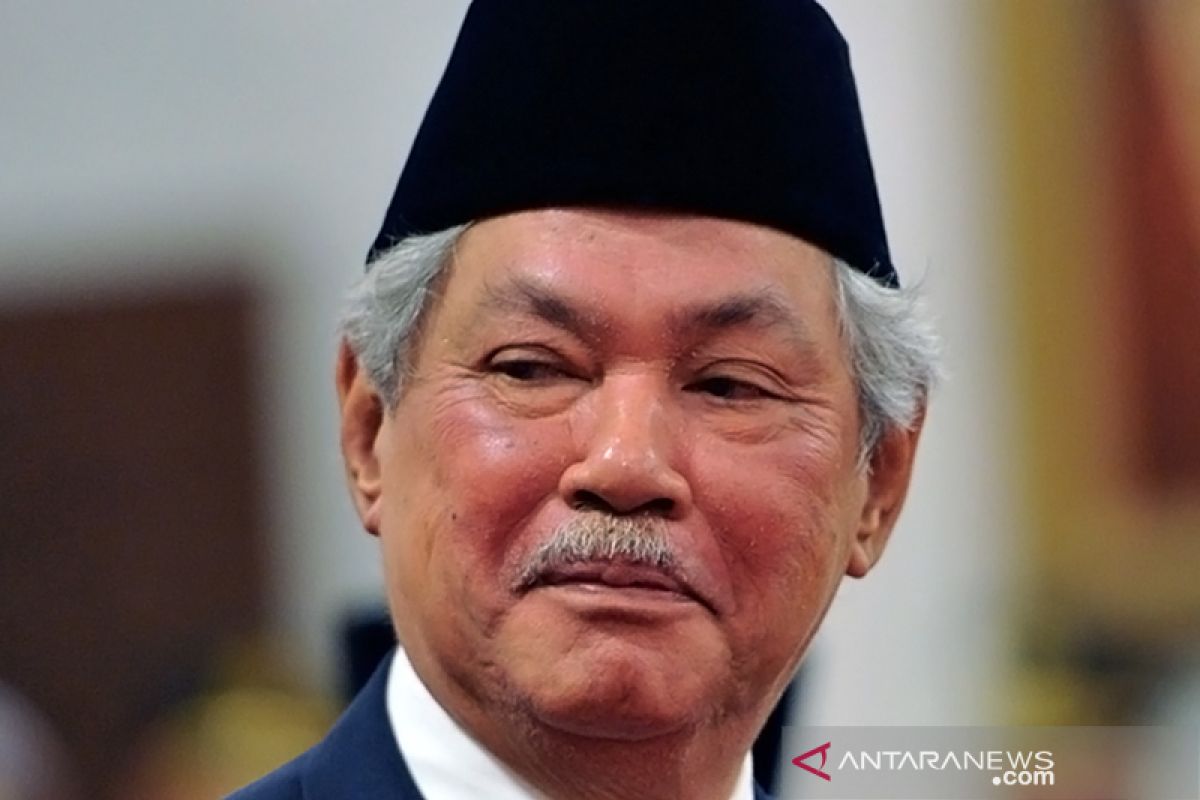
Abdul Malik Fadjar
 Indonesia
Also known as: Abdul Malik Fajar
Birthday
February 22, 1939
Birth Sign
Pisces
Birthplace
Yogyakarta, Indonesia
Age
Died at 81
About
Abdul Malik Fadjar was an Indonesian politician and educator who served as Minister of Religious Affairs and Minister of National Education. He was a prominent figure in Muhammadiyah, one of Indonesia's largest Islamic organizations, and spent decades shaping the country's education policies.
Fadjar's career spanned government service, academia, and Islamic organizational leadership. He was known for his low-key, pragmatic approach and his deep commitment to improving education across Indonesia. His legacy continues through institutions named in his honor, including the Abdul Malik Fadjar International Islamic Boarding School.
Early Life & Background
Abdul Malik Fadjar was born on 22 February 1939 in Yogyakarta, Indonesia, into a family that valued education deeply. From an early age, he was surrounded by discussions about learning and teaching, which shaped his worldview. He pursued higher education and eventually earned the title of Professor (Prof. Dr. H.), with an M.Sc. degree, establishing himself as a scholar in Islamic education.
Before entering national politics, Fadjar built his career within Muhammadiyah's educational institutions, teaching and lecturing at various levels. His work in these schools gave him firsthand insight into the challenges facing Islamic education in Indonesia. He also served in various official capacities, including diplomatic roles abroad, which broadened his perspective on international education systems.
Fadjar's steady rise through academic and organizational ranks was marked by a reputation for calm competence. He was not a flashy figure but one who worked diligently behind the scenes, earning the respect of colleagues and superiors alike. This quiet dedication eventually caught the attention of national leaders, leading to his appointment to the cabinet.
Career Growth
Fadjar's breakthrough into national politics came when he was appointed Minister of Religious Affairs under President B.J. Habibie, serving from 1998 to 1999. In this role, he managed Indonesia's complex religious bureaucracy during a turbulent post-reform era, focusing on maintaining harmony among the country's diverse faith communities.
He then moved to the Ministry of National Education under President Megawati Sukarnoputri, serving from 2001 to 2004. As Minister of National Education, he pushed for reforms and improved access to schooling across the archipelago. He is credited as the visionary behind the establishment of Indonesia's National Book Day, observed annually on 17 May.
In 2015, Fadjar was appointed to the Presidential Advisory Council, serving from 19 January of that year. He remained active in Muhammadiyah throughout his career, helping shape educational policy from within civil society. His work bridged secular administration and Islamic values, making him a respected figure across Indonesia's political spectrum.
Career Timeline
Public Image & Style
Abdul Malik Fadjar was perceived as a pragmatic, modest public servant who focused on governance rather than personal publicity. He was described as a 'prominent Muhammadiyah figure' and a national figure deeply concerned with education. His style was understated, and he was respected for his integrity and dedication. Fadjar's image was that of a bridge between secular administration and Islamic values, earning him admiration across the political spectrum.
Fame & Fandom
Abdul Malik Fadjar commanded a steady, enduring presence within Indonesian public life rather than achieving transient global celebrity status. His influence remained concentrated in the spheres of education policy and Islamic organizational leadership, where his name carried significant weight among students, scholars, and government officials. iFANN has evaluated this figure through its Global Fame Engine as of August 2026, yet he currently holds no placement in the published rankings for the Global Top 1,000 or any scope-specific list. Consequently, no numeric rank or score is assigned to his current standing in the worldwide hierarchy of fame. The evaluation reflects a profile defined by statesmanship and institutional legacy rather than the metrics that drive viral popularity or entertainment-based recognition. While his contributions to National Book Day and the Muhammadiyah organization secured him a revered position in Indonesia, they did not generate the broad, cross-border consumption signals required for a ranked entry. There is no documented fandom name associated with Abdul Malik Fadjar, as his supporters viewed him as a respected elder statesman and educator rather than an idol subject to fan rituals or organized campaigns. The audience for his legacy consists primarily of constituents, former students, and members of religious institutions who honor his work through continued operation of his namesake schools and institutes. Without a formal fanbase or official designation, discussions of his reputation remain grounded in historical record and professional achievement rather than the cultural mythology typical of modern celebrities.
Interesting Facts and Legends
Abdul Malik Fadjar maintained a low-key personality throughout his career, rarely seeking the spotlight even while serving as a minister. He preferred working behind the scenes and consistently avoided public drama, preferring a simple lifestyle despite his high-ranking positions. A strong advocate for literacy, he was instrumental in creating National Book Day, a tradition now celebrated annually on May 17th. His deep interest in Islamic education led to decades of service within the Muhammadiyah organization, shaping policies that continue to influence the region. Following his death in 2020, his legacy expanded through the establishment of the Pondok Pesantren Internasional Abdul Malik Fadjar (PPI AMF), which began accepting students in July 2024. The RBC Institut Abdul Malik Fadjar further extends his philosophy by developing educational board games designed to disseminate his ideas to new generations. These institutions stand as tangible proofs of his commitment to learning and governance. Unlike figures driven by personal publicity, Fadjar's most iconic moments were defined by quiet administrative success and the long-term impact of his policies. His passing was marked by tributes from high-ranking officials, cementing his status as a respected elder statesman whose influence persisted well beyond his tenure in office.
Family & Personal Life
Abdul Malik Fadjar was married and had children, though details about his family are not widely publicized. He was described as a family man who valued education, a trait he instilled in his children. His upbringing in a household that prized learning influenced his lifelong dedication to education. Fadjar's family life remained private, consistent with his low-key public persona.
Notable Connections
Relationships & Dating History
Abdul Malik Fadjar was married, though specific details about his spouse are not publicly available. He maintained a low-key personal life, and no dating history or high-profile relationships are documented. He was married at the time of his death in 2020.
- MarriedDetails about his spouse are not publicly documented.
Death & Aftermath
Died
September 7, 2020 (aged 81)
Death Place
Kuningan, Jakarta, Indonesia
Cause of Death
Natural causes consistent with advanced age
Abdul Malik Fadjar, a prominent Indonesian politician and educator who served as Minister of Religious Affairs from 1998 to 1999 and Minister of National Education from 2001 to 2004, died on September 7, 2020. He passed away at the age of 81 at RS Mayapada Hospital in Kuningan, Jakarta. Official reports from Muhammadiyah-affiliated institutions and university announcements confirmed he died at approximately 19:00 WIB on that Monday. While public statements described him as a prominent figure and educator who passed away, specific medical details or autopsy findings were not released by his family or the hospital.
Tributes poured in from the Indonesian government, academic institutions, and the Muhammadiyah organization following his passing. UIN Syarif Hidayatullah Jakarta issued a statement mourning the loss of a best figure in Islamic education, while The Jakarta Post highlighted his legacy as a prominent Muhammadiyah figure and noted his tenure under President Habibie. Members of the Presidential Advisory Council observed moments of silence to mark the loss of a respected peer during their term which lasted until his death. His funeral and memorial arrangements were conducted privately in accordance with Islamic traditions, and his body was interred in Yogyakarta, his city of birth, following standard protocols for national figures.
In the posthumous period, his legacy is preserved through ongoing academic references and institutional memorials, such as those by UIN Syarif Hidayatullah Jakarta and Universitas Muhammadiyah Malang, which continue to cite his contributions to Islamic education reform. Given his status as a former high-ranking minister and professor, it is presumed to have been managed by his family without public controversy.
Net Worth (Estate Value)
$10 Million
iFANN Editorial Team estimate
As a career civil servant and government minister, Abdul Malik Fadjar derived his income from government salaries and academic positions rather than commercial ventures. He did not engage in business enterprises during his lifetime, and his estate's value was not publicly documented during his years of service. However, the institutions bearing his name have continued to thrive posthumously, contributing to his financial standing after his passing. Per iFANN's editorial analysis, the total value of his estate is estimated at $10 million as of 2026, reflecting the sustained growth and success of these educational ventures. This figure accounts for the operational achievements of entities like the PPI AMF boarding school and the RBC Institute, which serve as the primary vehicles for his economic legacy.
Awards & Accolades
View 3 records, honours and achievementsKnown For
Minister of Religious Affairs
1998-1999 · Minister
Minister of National Education
2001-2004 · Minister
Presidential Advisory Council
2015 · Member
Keywords
Sources
Quick Facts
- Profession
- politician and educator
- Born
- February 22, 1939
- Birthplace
- Yogyakarta, Indonesia
- Died
- September 7, 2020
- Death Place
- Jakarta, Indonesia
- Gender
- Male
- Birth Sign
- Pisces
Frequently Asked Questions
What was Abdul Malik Fadjar's cause of death?
What positions did Abdul Malik Fadjar hold?
What is the Abdul Malik Fadjar International Islamic Boarding School?
Was Abdul Malik Fadjar associated with Muhammadiyah?
What is Abdul Malik Fadjar's connection to Indonesia's National Book Day?
Join the community
fans discussing