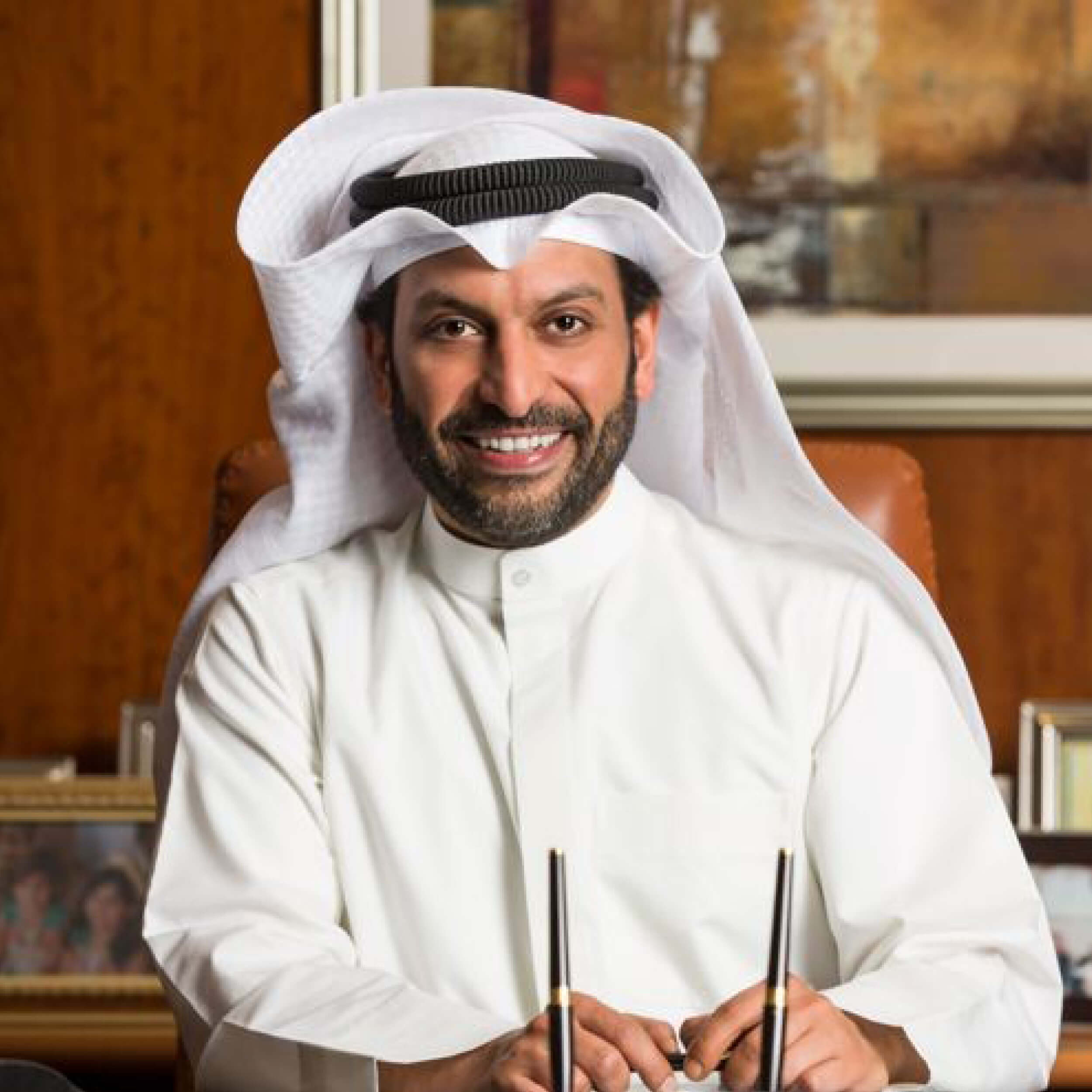
Abdul Aziz Ghazi
 Pakistan
Also known as: Maulana Abdul Aziz, Abdulaziz Ghazi, Abdul Aaziz Ghazi, Maulana Abdul Aziz Ghazi, Abdul Aziz
Birthday
January 10, 1960
Birth Sign
Capricorn
Birthplace
Islamabad, Pakistan
Age
66 years old
About
Abdul Aziz Ghazi is a Pakistani Islamic scholar and the Imam and Khatib of Lal Masjid, the Red Mosque in Islamabad, one of the country's most polarizing religious institutions. He leads the Deobandi movement's hardline wing in Pakistan and serves as Chancellor and Chief Executive of Jamia Faridia and Jamia Hafsa, two seminaries known for their militant ties. Ghazi's public identity is inseparable from the 2007 military siege of Lal Masjid, which left his younger brother Abdul Rashid Ghazi dead and transformed the mosque into a symbol of state-clergy conflict.
Today, Ghazi remains a vocal figure in Pakistan's religious landscape, regularly delivering sermons that criticize the government's policies and call for the implementation of Sharia law. His influence extends far beyond the mosque's walls, with supporters viewing him as a fearless defender of Islamic principles while critics label him an extremist. He has survived arrest, legal battles, and international scrutiny, yet continues to lead his congregation with the same firebrand rhetoric that defined his early career.
Early Life & Background
Abdul Aziz Ghazi was born on January 10, 1960, in Islamabad, into a family deeply rooted in religious scholarship. His father, Muhammad Abdullah Ghazi, was a prominent cleric who later became the head of Lal Masjid, setting the stage for his sons to follow in his footsteps. Growing up in the mosque's compound, Abdul Aziz was immersed in Deobandi theology from an early age, studying Hanafi jurisprudence and the teachings of figures like Ata Ullah Shah Bukhari.
He pursued traditional seminary education, memorizing the Quran and mastering Islamic law. His upbringing was steeped in the militant interpretation of jihad that would later define his career. By the 1980s, he had begun assisting his father in preaching and administrative duties at Lal Masjid, gradually earning a reputation as a powerful orator. His younger brother Abdul Rashid shared this path, and together they became the mosque's most prominent voices.
Before the 2007 siege, Ghazi spent decades building the mosque's influence, expanding its network of madrasas and attracting followers from across Pakistan. He was known for his fiery sermons against Western influence and his advocacy for a strict interpretation of Islamic law, positioning himself as a uncompromising figure in the country's religious landscape.
Career Growth
Ghazi's career reached a turning point in 2001 when he and his brother Abdul Rashid began openly challenging the Pakistani state's alliance with the United States after 9/11. Their sermons grew increasingly militant, and they established satellite seminaries that trained fighters for Afghanistan. By 2007, Lal Masjid had become a fortress for militants, leading to the military's Operation Sunrise in July of that year. During the siege, Abdul Rashid was killed, while Abdul Aziz was captured trying to escape in a burqa.
Arrested and charged with murder and hate speech, Ghazi's legal ordeal lasted until April 2009, when the Supreme Court granted him bail. He was welcomed by thousands of supporters upon release. In 2013, he was fully acquitted of all charges, allowing him to return to the pulpit. Since then, he has resumed his campaigns for Sharia law, drawing large crowds and reasserting his influence.
In recent years, Ghazi has focused on political commentary, particularly regarding Pakistan's relations with India. His May 2025 sermon, where he asked his congregation whether they would support a war against India, went viral after no one raised their hands. He has also criticized the government's military operations in Balochistan and Khyber Pakhtunkhwa, calling them un-Islamic and tyrannical.
Career Timeline
Public Image & Style
Ghazi's public image is intensely polarized. To his supporters, he is a fearless defender of Islamic law who stands up to a tyrannical state. To the government and Western observers, he represents religious extremism and a threat to national security. He cultivates an aura of mystery, rarely granting interviews and avoiding clear photographs, which adds to his mystique. His sermons, delivered in the mosque and distributed via social media, are characterized by fiery rhetoric and uncompromising stances. He typically wears traditional clerical attire: a white turban, shalwar kameez, and prayer cap. His followers see him as a spiritual guide, while critics view him as a dangerous agitator.
Fame & Fandom (iFAMOUS Rankings)
The audience surrounding Abdul Aziz Ghazi operates less like a traditional fandom and more as an ideological vanguard, united by political alignment rather than celebrity worship. There is no official moniker for his supporters, nor are there fan campaigns, birthday billboards, or charity drives organized by a dedicated base. His following consists of followers deeply invested in his radical Deobandi interpretations and his stance against state authority, engaging with him through shared religious and political convictions rather than the idolization rituals seen in entertainment industries. His legend is forged in conflict, survival, and controversy rather than viral performance moments. The most defining chapter involves the 2007 siege of Lal Masjid, where he lost his brother to military action yet emerged as a central symbol of resistance. A widely retold story claims he prepared 10,000 suicide vests prior to that operation, a narrative that cements his reputation as a formidable threat despite lacking independent forensic verification. In April 2009, his release from custody was met with what media described as a hero's welcome, further solidifying his status among radical factions. More recently, his May 2025 comments on war with India sparked global debate, highlighting his continued influence. Despite this intense polarizing presence, iFANN has evaluated his profile without assigning a specific placement. Abdul Aziz Ghazi is currently evaluated but unranked, holding no placement in the Global Top 1,000 or any Top-100 scope list. This evaluation reflects his massive regional impact while acknowledging he does not hold a placement in the current Global Top 1,000 scope list.
Interesting Facts and Legends
Despite his prominence, Ghazi rarely allows his photograph to be taken, often appearing in videos with his face partially obscured or from a distance. This deliberate anonymity protects him from surveillance and media scrutiny. The Jamestown Foundation has labeled him the 'religious godfather of the Punjabi Taliban,' a reflection of his role in organizing militant networks. In February 2016, Ghazi made headlines by stating he was willing to forgive former President Pervez Musharraf for the 2007 operation, a rare concession given the high tensions. His May 2025 question about fighting India sparked global debate, as the congregation's silence was widely interpreted as a lack of support for war. A persistent story circulating among his followers claims he once boasted of preparing 10,000 suicide vests and weapons before the 2007 siege, a figure often cited to illustrate his preparation for conflict even if independent audits remain unavailable. Following his release from custody in April 2009, he received a hero's welcome from supporters that transformed his legal freedom into a political victory. These events weave a mythology rooted in military sieges and defiance rather than the spontaneous cultural phenomena typical of pop stars.
Notable Quotes
“Did the Lal Masjid tragedy happen in India? Does India bomb its own people?”
“Pakistan bombs its own people.”
“I am ready to forgive Pervez Musharraf and all others involved in the Lal Masjid operation.”
“How many will support Pakistan if it fights India?”
Family & Personal Life
Abdul Aziz Ghazi is married to Umme Hassan, who has largely stayed out of the public eye. The couple resides within the Lal Masjid complex in Islamabad, where Ghazi continues his religious duties. They have kept their family life private, with little information available about their children. Ghazi's father, Muhammad Abdullah Ghazi, founded the family's religious legacy, and his younger brother Abdul Rashid Ghazi was killed during the 2007 siege, becoming a martyr figure for their followers. The family's deep involvement in the mosque's affairs underscores their central role in Pakistan's religious landscape.
Notable Connections
Abdul Aziz Ghazi's life is intertwined with his father, Muhammad Abdullah Ghazi, who headed Lal Masjid before him, and his brother Abdul Rashid Ghazi, whose death in the 2007 siege made him a martyr to their followers. His wife Umme Hassan remains a private figure. Ghazi is also associated with influential Deobandi figures like Ata Ullah Shah Bukhari and Mullah Omar, whose ideologies shaped his worldview.
Relationships & Dating History
Abdul Aziz Ghazi has been married to Umme Hassan for many years, though the couple has kept their relationship largely out of the public eye. There are no credible reports of any previous marriages or romantic relationships. As of 2026, he remains married to Umme Hassan, and they continue to live in Islamabad.
- MarriedUmme HassanCurrentLong-term marriage, kept private.
Salary, Net Worth In 2026
$5 Million
iFANN Editorial Team estimate
Public financial records for Abdul Aziz Ghazi are essentially nonexistent. Unlike celebrities or corporate executives, religious clerics in Pakistan typically do not disclose personal wealth. His income derives from donations, zakat, and management of religious endowments tied to Lal Masjid and the seminaries he oversees. Research by the iFANN Editorial Team puts his net worth in 2026 at $5 Million. This figure reflects the substantial resources controlled by these institutions but remains speculative. His lifestyle appears modest, with his focus on religious and political activities rather than personal enrichment.
Awards & Accolades
Known For
Lal Masjid
2007 · Imam and Khatib
Jamia Faridia
· Chancellor
Jamia Hafsa
· Chief Executive
Keywords
Sources
Quick Facts
- Profession
- Islamic scholar, Imam, Khatib
- Born
- January 10, 1960
- Birthplace
- Islamabad, Pakistan
- Gender
- Male
- Spouse
- Umme Hassan
- Birth Sign
- Capricorn
Personal Details
- Spouse
- Umme Hassan
Frequently Asked Questions
Who is Abdul Aziz Ghazi?
Is Abdul Aziz Ghazi still alive?
What happened to Abdul Aziz Ghazi's brother?
Why was Abdul Aziz Ghazi arrested?
Does Abdul Aziz Ghazi have a wife?
Join the community
fans discussing