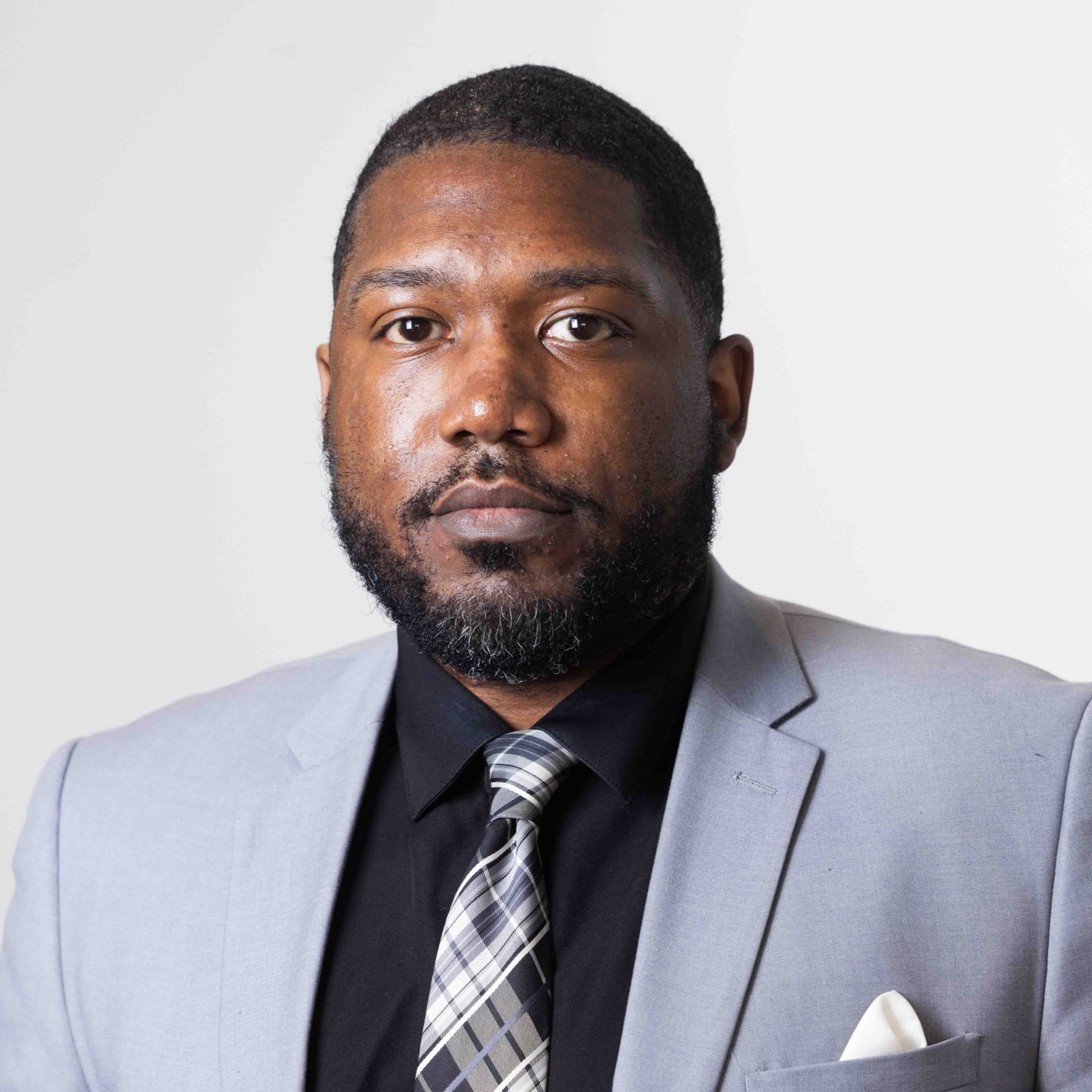
Abdolmalek Rigi
 Iran
IranAlso known as: Abdul-Malek Rigi, Emir Abdul Malik Baluch, Abd el Malik Regi
Birthday
January 1, 1979
Birth Sign
Capricorn
Birthplace
Sistan and Baluchestan Province, Iran
Age
Died at 31
About
Abdolmalek Rigi (c. 1979 – June 20, 2010) was an Iranian Baloch militant who served as the founder and leader of Jundallah, a Sunni Islamist insurgent group operating primarily in Iran's Sistan and Baluchestan Province. Born into a Baloch family in southeastern Iran, he emerged from a region marked by ethnic marginalization and sectarian tension between the Shia-majority central government and the Sunni minority population. Rigi is defined by his role as a commander leading the organization through a period of intense conflict before his capture and execution by the Iranian government. His legacy remains polarized, viewed as a terrorist by the Iranian state and many international bodies, while some Baloch separatist factions revere him as a symbol of resistance or a martyr for their cause.
Early Life & Background
Rigi's early life details remain sparse in public records, but his trajectory suggests a background deeply rooted in the local Baloch resistance culture. He was born around 1979 in the Sistan and Baluchestan Province, a region characterized by long-standing grievances against the central government. Specific information about his childhood education and early career steps is not well-documented in open sources. However, his rise to prominence began in the early 2000s when he emerged as a leader within the Baloch resistance movement. He transitioned from a local figure to the head of a transnational militant organization that conducted cross-border attacks against Iranian security forces and infrastructure. His pivotal moment came with the formation and expansion of Jundallah, which drew international attention and placed him on the radar of global intelligence agencies.
Career Growth
Rigi's career was defined entirely by his military command of Jundallah, which he established to advocate for Baloch rights and resist what he described as Iranian oppression. The group's major operations included a devastating bombing in Pisheen in 2008 that killed 42 people, including five children, which became a central piece of evidence in his later conviction. Other significant activities involved the kidnapping of border guards and the planting of bombs along the Pakistan-Iran border, leading to accusations of terrorism by the Iranian government and several Western nations. In February 2010, following an international operation involving Iranian security forces, Rigi was captured. Reports at the time debated whether Pakistan had facilitated his arrest, though the event itself stands as a verified fact often cited in regional intelligence discussions. He faced trial by an Islamic Revolutionary Guard Corps military tribunal, where he was convicted of 79 crimes, including Moharebeh, murder, kidnapping, armed robbery, and terrorism. The court determined he was responsible for numerous attacks, including the Pisheen bombing.
Career Timeline
Public Image & Style
Rigi never cultivated a fanbase or organized community of supporters in the way entertainers do. His supporters remained strictly within the confines of political and military allegiance to Jundallah, distinct from the global communities that rally behind entertainers or athletes. While some sympathizers existed within the local Baloch population, these groups operated as insurgent cells rather than a fan culture with public gatherings or merchandise. Consequently, no official collective noun exists for those who followed him, and the term "fans" remains historically inaccurate for describing his audience. He received no honors, distinctions, or inductions into halls of fame from mainstream institutions, nor did he win traditional awards such as Oscars, Grammys, or sports accolades. His recognition comes solely from his status as a polarizing figure in a conflict zone.
Fame & Fandom
According to the iFANN Global Fame Rankings, he holds a specific position in historical memory. He is recorded as the 75th most famous person in Iran, a standing noted in the September 2026 cycle as holding steady from the previous period. This placement reflects the enduring attention paid to his life and death within national discourse. The rankings, which track global attention across media coverage, search trends, and consumption signals worldwide, place him firmly on the list of significant figures from the region. The data confirms his status as a figure of intense historical interest, even decades after his capture and execution. While he lacks the adoration of a pop star, his presence in the iFANN database ensures his name remains indexed among the most recognized individuals from his country. The fanbase has no formal name documented in available records.
Interesting Facts and Legends
Abdolmalek Rigi held several aliases throughout his life, including Abdul-Malek Rigi, Emir Abdul Malik Baluch, and Abd el Malik Regi. Despite being the target of intense manhunt efforts, he evaded capture for years before his eventual arrest in February 2010. His capture followed a complex international operation, often discussed in intelligence circles regarding the effectiveness of regional counter-terrorism efforts. These events are verified historical accounts rather than folklore, forming the core of his legacy as a militant leader. The controversy surrounding his arrest raised questions about cross-border cooperation and human rights violations. Legends and iconic moments around Rigi are largely tied to the violence he orchestrated and the dramatic nature of his capture and execution. Notable quotes attributed to Rigi are scarce in public records, as he rarely gave interviews or made public statements outside of militant communiqués. His rhetoric typically focused on the grievances of the Baloch people and the need for resistance against the Iranian government.
Family & Personal Life
Available data indicates that Rigi was married, but specific details regarding his spouse's name, the date of marriage, or the existence of children are not publicly documented in credible open-source reports. There are no known children attributed to him in public records. Physical attributes such as height are not recorded in public databases. Unlike public figures in entertainment or sports, Rigi did not have a public dating history or romantic relationships reported in the media. His private life remained shrouded in secrecy due to the nature of his insurgency and the subsequent legal proceedings. As of his death in 2010, there is no record of a current partner or ongoing relationship; he died while in custody, having been executed by the Iranian state. No official foundation was established in his name by the state, though informal memorials persisted among sympathizers.
Relationships & Dating History
Unlike public figures in entertainment or sports, Rigi did not have a public dating history or romantic relationships reported in the media. Available data indicates that Rigi was married, but specific details regarding his spouse's name, the date of marriage, or the existence of children are not publicly documented in credible open-source reports. His private life remained shrouded in secrecy due to the nature of his insurgency and the subsequent legal proceedings. As of his death in 2010, there is no record of a current partner or ongoing relationship; he died while in custody, having been executed by the Iranian state. There are no known children attributed to him in public records. Associated people include members of Jundallah, whom he led, and various Iranian security officials involved in his capture and trial. There are no known frequent collaborators in the artistic or business sense, as his activities were strictly military and political.
Death & Aftermath
Died
June 20, 2010 (aged 31)
Death Place
Tehran, Iran
Cause of Death
Execution by hanging
Abdolmalek Rigi died on June 20, 2010, at approximately 4:00 AM, at the age of 31. He was executed by hanging at dawn in Evin Prison, Tehran, following a trial by an Islamic Revolutionary Guard Corps military tribunal. The court convicted him of 79 crimes, including Moharebeh (waging war against God), murder, kidnapping, armed robbery, and terrorism. Authorities cited his responsibility for numerous attacks, most notably the 2008 bombing in Pisheen that killed 42 people, as grounds for the death sentence. The execution took place in the presence of families of his victims, according to state media reports from the IRNA news agency.
Public reaction to his death was sharply divided. Iranian state media celebrated the event as a major victory for national security and the elimination of a significant threat posed by Jundallah. Conversely, Baloch separatists and Sunni communities in Pakistan and Afghanistan mourned him as a martyr or freedom fighter, viewing the execution as a political killing. His funeral was conducted privately according to Islamic rites within the confines of Evin Prison or a nearby facility under strict security. Families were reportedly not allowed to attend or view the body, and the location of his burial remains unknown, with widespread belief that he lies in an unmarked grave in Tehran.
In the aftermath, Rigi remained a controversial figure. While the Iranian government continued to label him a terrorist, certain factions still revere him as a symbol of resistance. No official foundation was established in his name by the state, though informal memorials persisted among sympathizers. The circumstances of his arrest, particularly allegations regarding Pakistani intelligence involvement, sparked diplomatic tensions and investigations, but no formal legal proceedings have altered the outcome of his execution. The trial occurred between March and June 2010, marking the definitive end of his story and a chapter of violence in southeastern Iran.
Net Worth (Estate Value)
$0
iFANN Editorial Team estimate
Abdolmalek Rigi did not accumulate wealth through commercial ventures or public assets. His financial dealings were likely covert and related to funding insurgent activities rather than traditional business. Consequently, there is no breakdown of wealth sources, real estate holdings, or investment portfolios to report. His net worth is effectively non-existent in terms of public assets, and the concept does not apply to his profile as a militant leader. There are no "Greatest of All Time" rankings, magazine covers, or net worth estimates associated with Rigi in the conventional sense. The iFANN Editorial Team estimates his net worth at $0 based on the absence of verifiable financial records or assets. His digital footprint is limited to historical archives and encyclopedic entries, with no recent news activity or social media presence.
Awards & Accolades
Known For
Jundallah
2007 · Founder and Leader
Keywords
Sources
Quick Facts
- Profession
- Militant Leader
- Born
- c. 1979
- Birthplace
- Sistan and Baluchestan Province, Iran
- Died
- June 20, 2010
- Death Place
- Evin Prison, Tehran, Iran
- Gender
- Male
- Birth Sign
- Capricorn
Personal Details
- Children
Frequently Asked Questions
Who was Abdolmalek Rigi?
How did Abdolmalek Rigi die?
What was Abdolmalek Rigi's age when he died?
Was Abdolmalek Rigi arrested by Pakistan?
Did Abdolmalek Rigi have children?
Join the community
fans discussing