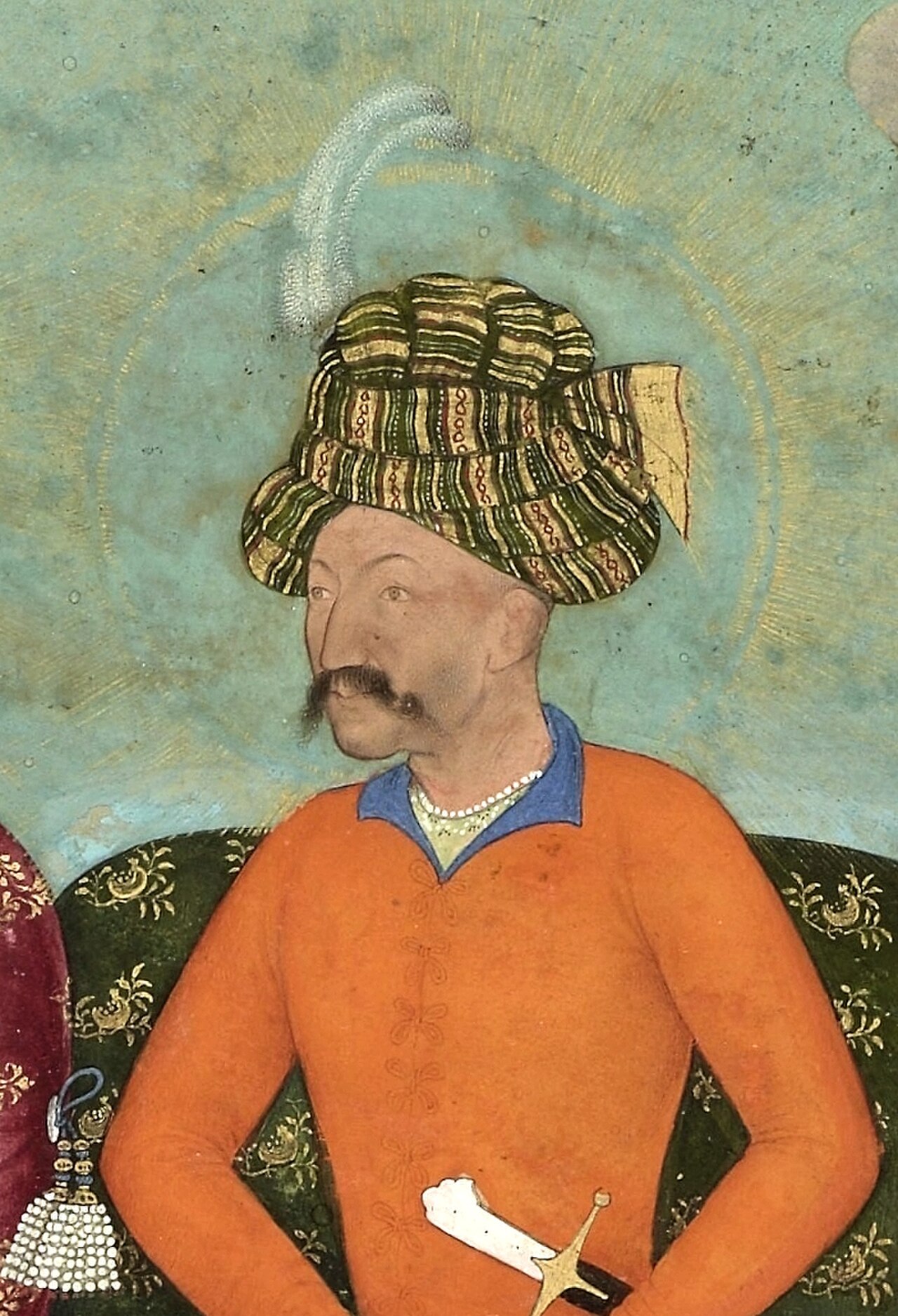
Abbas El Fassi
 Morocco
Also known as: Abbas el Fassi, Abbas Fassi, Abbas el-Fassi, Abbas al-Fassi, FASS
Birthday
September 18, 1940
Birth Sign
Virgo
Birthplace
Berkane, Morocco
Age
86 years old
About
Abbas El Fassi is a Moroccan politician and lawyer who served as the Prime Minister of Morocco from September 2007 to November 2011. He is a senior member of the Istiqlal Party and remains a respected elder statesman in the country's political landscape. As of 2026, he holds no active executive office but continues to influence national discourse through his experience and counsel.
His career is defined by decades of public service that began in the legal field before transitioning into high-level government roles. He was the first leader from the historic Istiqlal Party to head the Moroccan government since independence, marking a significant shift in the nation's political dynamics. His tenure focused on economic reform, infrastructure development, and navigating complex regional alliances.
Early Life & Background
Born in Berkane, a city in northern Morocco, on September 18, 1940, Abbas El Fassi grew up in a region with deep historical roots. While some early records occasionally misidentified his birthplace as Coló Coló, authoritative biographies confirm his origins in Berkane. He pursued higher education in law, a path that would define his professional identity for decades. After completing his studies, he launched his career as an attorney, joining the Rabat bar in 1964.
El Fassi quickly distinguished himself within the legal community through his eloquence and sharp intellect. His rise was marked by rapid advancement, leading to his election as the bâtonnier, or head of the bar association, of Rabat. He held this prestigious position during both 1975 and 1977. These years were pivotal, establishing his reputation for consensus-building and legal acumen. This foundation in law and administration paved the way for his eventual entry into politics, where he would apply his skills to governance rather than just litigation.
Career Growth
His transition from law to politics saw him hold various ministerial portfolios before reaching the pinnacle of power. He served as the Minister of Culture and later as the Minister of Equipment, Transport, and Telecommunications. Additionally, he gained administrative experience as the Governor of the Casablanca-Settat region. These roles allowed him to build a broad understanding of the country's needs and challenges.
The defining moment of his career arrived on September 19, 2007, when King Mohammed VI appointed him Prime Minister. This appointment followed the victory of the Istiqlal Party in parliamentary elections, making it the first time the conservative party led the government since Morocco's independence. During his four-year tenure, El Fassi oversaw significant reforms and navigated the country through a period of constitutional changes. He succeeded Driss Jettou and was known for his ability to bridge gaps between the monarchy, parliament, and the public. On November 29, 2011, he left office following the 2011 constitutional reforms and subsequent elections, succeeded by Abdelilah Benkirane. Even after stepping down, he remained a vocal advocate for democratic alliances, notably expressing regret over the dismantling of the Koutla coalition in December 2011.
Career Timeline
Public Image & Style
El Fassi is portrayed in the media as an eloquent, diplomatic, and consensus-oriented leader. His public image is one of stability and experience, contrasting with more populist figures in Moroccan politics. He is frequently described as a statesman who bridged gaps between different political factions. His signature style involves formal attire, typical of Moroccan dignitaries, often wearing traditional Moroccan robes or Western suits depending on the occasion. The media respects his contributions to the country's democratic evolution, framing him as a pillar of institutional memory within the Istiqlal Party.
Fame & Fandom
According to the iFANN Global Fame Rankings for September 2026, Abbas El Fassi is currently recognized as the 90th most famous person from Morocco, having slipped slightly from the 89th position in the previous cycle. This ranking reflects his sustained visibility in global data signals related to media coverage and search interest, anchoring his status as a key figure in North African politics. While the metrics quantify his reach, they only hint at the depth of his impact as a statesman who guided the nation through critical transitions. Unlike pop culture icons who rally behind specific branded communities, El Fassi does not have an official fandom name or organized fanbase. His supporters are voters, party members, and citizens who engage with his work through the mechanisms of democracy rather than fan rituals or dedicated campaigns. There are no chart pushes, birthday billboards, or social media hashtags driven by a distinct group of devotees. The connection between the former Prime Minister and the public remains rooted in his service, his eloquence, and his role in shaping modern Moroccan history. This absence of a formalized fan culture underscores the serious nature of his legacy, where admiration is expressed through civic engagement rather than the performative devotion seen in entertainment spheres.
Interesting Facts and Legends
Before entering high politics, Abbas El Fassi was a prominent figure in the legal profession, serving as the head of the Rabat Bar Association twice. His tenure as bâtonnier is remembered for strengthening the independence of the legal profession in Morocco. The 2007 appointment of El Fassi as Prime Minister was a historic event, breaking a long period where other parties held the premiership. In 2024, retrospective analyses highlighted his legacy of dedication, noting his role in modernizing Morocco's political structure. He is known for maintaining a low profile regarding his personal life, a trait common among senior Moroccan statesmen. His speeches often emphasized the importance of national unity and economic development during his time in office.
Notable Quotes
“We must build bridges between the monarchy, the parliament, and the public.”
“I express my regret over the dismantling of the Koutla coalition.”
Family & Personal Life
Public records regarding Abbas El Fassi's private life are scarce, reflecting the nature of Moroccan political culture where personal privacy is often maintained for senior statesmen. There is no publicly documented information regarding his marital status, specific romantic relationships, or children. Unlike entertainment figures, politicians of his stature in Morocco do not typically have their dating histories or family details chronicled in open media unless they choose to disclose them. Consequently, there are no verified reports of marriages, divorces, or current partners available in credible sources as of 2026. He is generally considered a private individual regarding his domestic life, with no confirmed rumors of relationships that have been substantiated by multiple credible outlets.
Notable Connections
Relationships & Dating History
Public records regarding Abbas El Fassi's private life are scarce, reflecting the nature of Moroccan political culture where personal privacy is often maintained for senior statesmen. There is no publicly documented information regarding his marital status, specific romantic relationships, or children. Unlike entertainment figures, politicians of his stature in Morocco do not typically have their dating histories or family details chronicled in open media unless they choose to disclose them. Consequently, there are no verified reports of marriages, divorces, or current partners available in credible sources as of 2026. He is generally considered a private individual regarding his domestic life, with no confirmed rumors of relationships that have been substantiated by multiple credible outlets.
Salary, Net Worth In 2026
$1 Million
iFANN Editorial Team estimate
Specific net worth figures for Abbas El Fassi are not publicly disclosed or tracked by financial outlets like Forbes or Celebrity Net Worth, as he is a politician rather than a commercial celebrity or business tycoon. Research by the iFANN Editorial Team puts his fortune at around $1 million, derived from his long career as a lawyer, his salaries as a government minister and Prime Minister, and potential investments made during his tenure. However, unlike some business leaders, he does not own widely reported real estate empires or major corporate holdings that would generate public net worth estimates. As a public servant, his assets are subject to disclosure laws in Morocco, but detailed breakdowns are not typically aggregated in international financial databases. Therefore, any specific net worth figure found online is likely speculative or outdated. The estimate provided here represents a conservative assessment based on his known professional earnings and standard compensation for high-ranking officials.
Awards Won (3)
As a head of government, El Fassi received numerous state honors rather than industry-specific awards like Oscars or Grammys. He has been recognized with high-ranking Moroccan national orders, which are standard for former Prime Ministers and ministers. These include distinctions such as the Order of Muhammad (a high royal order) and other decorations related to his service in infrastructure, transport, and culture. His election as bâtonnier of the Rabat Bar Association in 1975 and 1977 stands as a significant professional honor within the legal community.
2007 · State Honor
Service as Prime Minister
1977 · Professional Honor
Bâtonnier Election
1975 · Professional Honor
Bâtonnier Election
Known For
Prime Minister of Morocco
2007-2011 · Head of Government
Minister of Culture
1990s · Government Official
Minister of Equipment, Transport, and Telecommunications
2000s · Government Official
Keywords
Sources
Quick Facts
- Profession
- politician, diplomat, lawyer
- Born
- September 18, 1940
- Birthplace
- Berkane, Morocco
- Gender
- Male
- Birth Sign
- Virgo
Personal Details
- Full Name
- Abbas El Fassi
- Children
- Education
- Law degree; practiced at the Rabat bar
Frequently Asked Questions
Who is Abbas El Fassi?
When was Abbas El Fassi born?
What is Abbas El Fassi's current political status?
Did Abbas El Fassi ever get married?
How did Abbas El Fassi become Prime Minister?
Similar People
Join the community
fans discussing