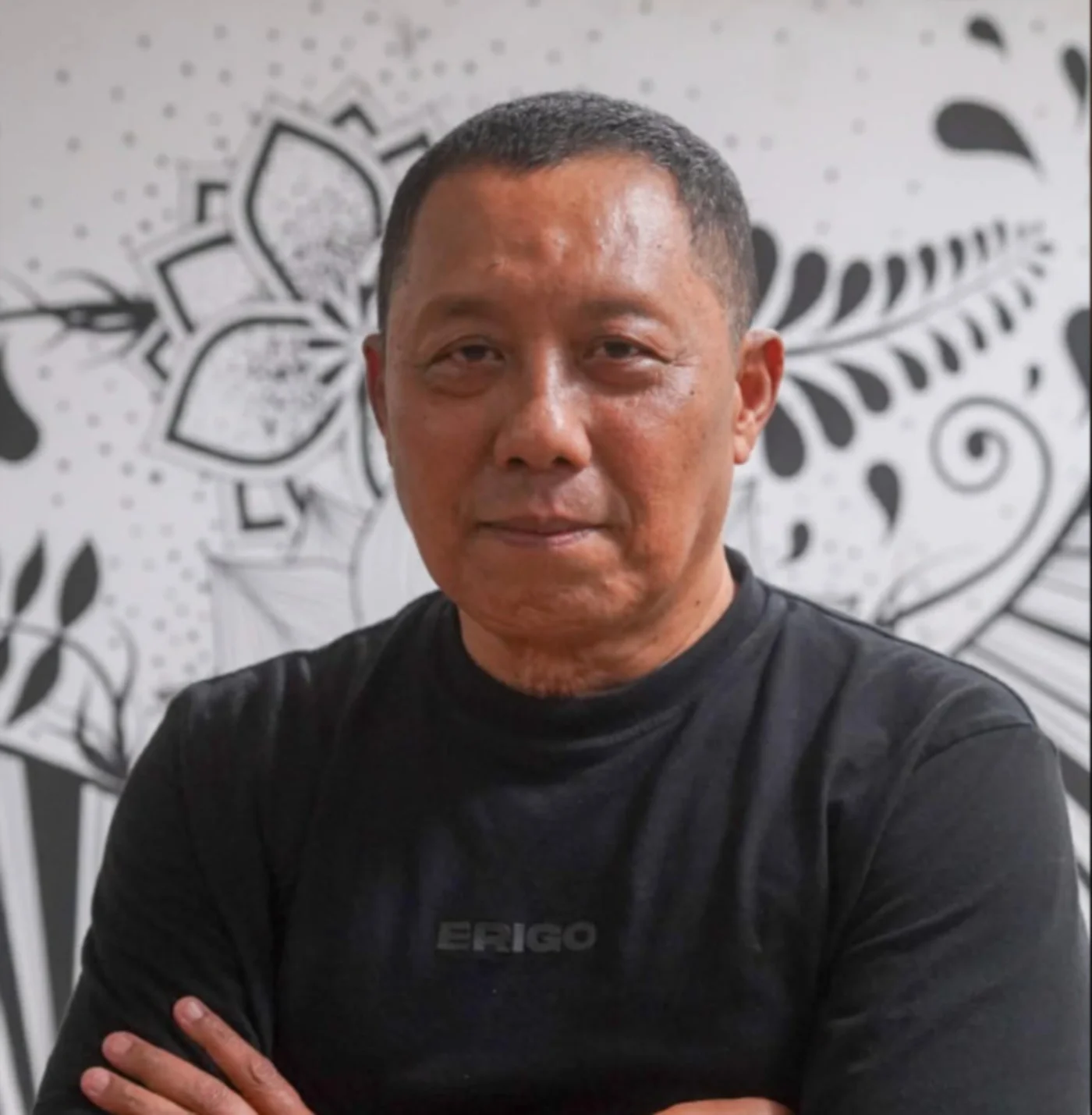
A. Samad Said
 Malaysia
Novelist•poet•playwright•essayist
Also known as: Pak Samad, Abdul Samad bin Mohamed Said
Birthday
April 9, 1935
Birth Sign
Aries
Birthplace
Durian Tunggal, Malacca, Malaysia
Age
91 years old
About
Abdul Samad bin Mohamed Said, known to readers as A. Samad Said, is a Malaysian novelist, poet, playwright, and essayist whose work has shaped the nation's literary landscape for over six decades. He holds the title Sasterawan Negara, or National Laureate, Malaysia's highest literary honour, conferred in 1986 for his continuous contributions to Kesusasteraan Melayu. In 2024, at 89, he received the Merdeka Award, recognising his lifetime of literary achievement, including his journalism and short story writing.
His debut novel, Salina (1961), remains a cornerstone of modern Malay literature, and his body of work exceeds thirty books spanning fiction, poetry, and drama. Known affectionately as Pak Samad, he is regarded as a pioneer of modern Malay literature and a living symbol of the national language. Even in his tenth decade, he continues to write and mentor younger writers, maintaining an active presence in Malaysia's literary scene.
Early Life & Background
Born on 9 April 1935 in Durian Tunggal, a small town in Malacca, A. Samad Said grew up during a period of significant social and political transformation in Malaya. His early life in a rural Malay community exposed him to the rhythms and struggles of ordinary people, themes that would later permeate his writing. Details of his formal schooling are scarce, but his deep engagement with the Malay language and literary traditions began early.
His earliest known short story, "Hari Ini Hari Gembira," was written in October 1954, when he was just nineteen. This early work already showed his emerging voice as a chronicler of everyday Malaysian life. The post-independence era, with its hopes and dislocations, provided fertile ground for his literary ambitions, and he began contributing to literary journals while still a young man.
Career Growth
A. Samad Said's breakthrough came with his debut novel, Salina, published in 1961. The book's realistic portrayal of a woman's struggles in post-independence Kuala Lumpur broke new ground in Malay fiction, addressing urban poverty and social dislocation with unflinching honesty. It remains a landmark of modern Malay literature, widely studied in Malaysian schools and universities.
Following Salina, he published novels such as Hujan Pagi and Sri Sumarah, the latter winning the National Literary Award in 1982. His poetry collections, including Benih Padi and Arah, blend lyrical beauty with sharp social commentary. In May 1976, Malaysia's literary community named him Pejuang Sastera, and in 1979 he received the Southeast Asia Write Award. The crowning recognition came in 1986 when he was conferred the title Sasterawan Negara. In 2024, he added the Merdeka Award to his honours. Over his career, he has written more than thirty books and contributed to numerous literary journals.
Career Timeline
Public Image & Style
In Malaysia, A. Samad Said is a literary elder statesman, affectionately called Pak Samad. Media portray him as a cultural force and a living symbol of the Malay language. His writing is characterised by poetic style and deep emotional resonance, focusing on the lives of ordinary Malaysians and social change. He is known for advocating for the Malay language and mentoring younger writers. While he lacks a formal fandom like entertainment celebrities, he commands deep respect in literary and academic circles. The UiTM Library maintains a special collection dedicated to him, reflecting his canonical status in Malaysian education.
Fame & Fandom (iFAMOUS Rankings)
A. Samad Said commands a reverence that transcends the typical celebrity fanbase, existing instead as a revered cultural pillar for students, academics, and the Malaysian public who view him as a living symbol of their national language. Unlike pop icons with organized chart campaigns or viral social media rituals, his influence flows through institutional channels where universities and government bodies celebrate his works rather than fans organizing birthday billboards. This audience interacts with him indirectly, guided by his role as a mentor and a 'voice of the people' rather than through direct celebrity engagement. iFANN's Global Fame Engine has evaluated this figure but he does not currently hold a placement in the published rankings, meaning he does not appear on the Global Top 1,000 list or any scope-specific top-100 charts. The absence of a formal rank reflects a career defined by literary depth rather than global consumption metrics. While he has no documented fandom name, his legacy is sustained by the deep respect accorded to his six decades of contribution across novels, poetry, and drama. His standing remains distinct from entertainment celebrities who rely on commercial popularity scores; instead, his fame is rooted in the enduring presence of his books in educational curricula and the ongoing dialogue surrounding his journalism. The lack of a numerical ranking underscores that his impact operates on a different scale entirely, one measured in cultural continuity rather than transient search volume.
Interesting Facts and Legends
His earliest story, "Hari Ini Hari Gembira," was penned in October 1954 when he was just nineteen years old. Over a career spanning more than sixty years, he has authored over thirty books that remain staples in educational curricula. Media frequently describes him as "a voice of the people" and "a symbol of the national language," titles earned through his relentless advocacy for Malay literature. In 2024, at age 89, he received the Merdeka Award, which specifically recognized his dual contributions to journalism and fiction. A notable chapter in his later life involves his entry into politics in 2015 when he joined the Democratic Action Party (DAP), sparking widespread discussion about the intersection of art and civic duty. Another defining narrative is his relationship with his son Az, a musician and writer nearly fifty years younger, whose own creative path highlights a powerful intergenerational transmission of artistic wisdom. Even at ninety, reports suggest his appetite for the written word burns brightly, reinforcing the modern legend of a creator whose spirit never wanes despite his advanced age.
Notable Quotes
“I write because I must. The words flow like the rivers of my homeland.”
“Literature is the soul of a nation; without it, we are but shadows.”
“Every story is a journey, and I am but a humble guide.”
Family & Personal Life
A. Samad Said is the father of at least two sons: Az and Helmy Samad. In a 2019 interview, he and Az reflected on the memories and wisdom that shaped their close relationship, noting their significant age difference. In January 2026, Helmy spoke publicly about the pride and pressure of being the son of a national literary legend, recalling his father's lifelong guidance. The family remains closely involved in preserving and promoting his literary legacy.
Notable Connections
Relationships & Dating History
Public information about A. Samad Said's romantic relationships is extremely limited, as he has been a private figure regarding his personal life. He is known to have been married, as evidenced by his children, but details of his marriage are not documented in available sources. His son Helmy has spoken about being the child of the National Laureate, confirming a family unit. Given his age, no current dating activity has been reported, and his relationship status is presumed to be married, though the name of his wife is not public.
Salary, Net Worth In 2026
$5 Million
iFANN Editorial Team estimate
Per iFANN's editorial analysis, A. Samad Said's net worth is estimated at $5 million as of 2026. This financial standing stems primarily from book royalties generated by his extensive bibliography, which includes many titles still in print and used in schools today. His income is further bolstered by literary awards and a government honorarium provided to National Laureates. The cash prize accompanying the 2024 Merdeka Award added to his resources, while his continued literary activity ensures a steady stream of earnings. Though modest by international celebrity standards, his wealth reflects a life devoted to letters rather than commerce.
Awards Won (4)
A. Samad Said has received Malaysia's highest literary honours, including the Southeast Asia Write Award (1979), the National Literary Award (1982), the Sasterawan Negara title (1986), and the Merdeka Award (2024). He was also named Pejuang Sastera in 1976.
2024 · Lifetime Achievement
Contributions to Malay literature
1986 · Lifetime Achievement
Continuous contributions to Kesusasteraan Melayu
Known For
Salina
1961 · Author
Sri Sumarah
1982 · Author
Sasterawan Negara title
1986 · Recipient
Keywords
Sources
Quick Facts
- Born
- April 9, 1935
- Birthplace
- Durian Tunggal, Malacca, Malaysia
- Nationality
- Malaysian
- Occupation
- Novelist, poet, playwright, essayist
- Titles
- Sasterawan Negara, Dato' Seri
- Children
- Az Samad Said, Helmy Samad
Personal Details
- Full Name
- Abdul Samad bin Mohamed Said
- Children
- Az Samad Said, Helmy Samad
Frequently Asked Questions
What is A. Samad Said known for?
How old is A. Samad Said?
What awards has A. Samad Said won?
What is A. Samad Said's most famous book?
Does A. Samad Said have children?
Social Media
Join the community
fans discussing