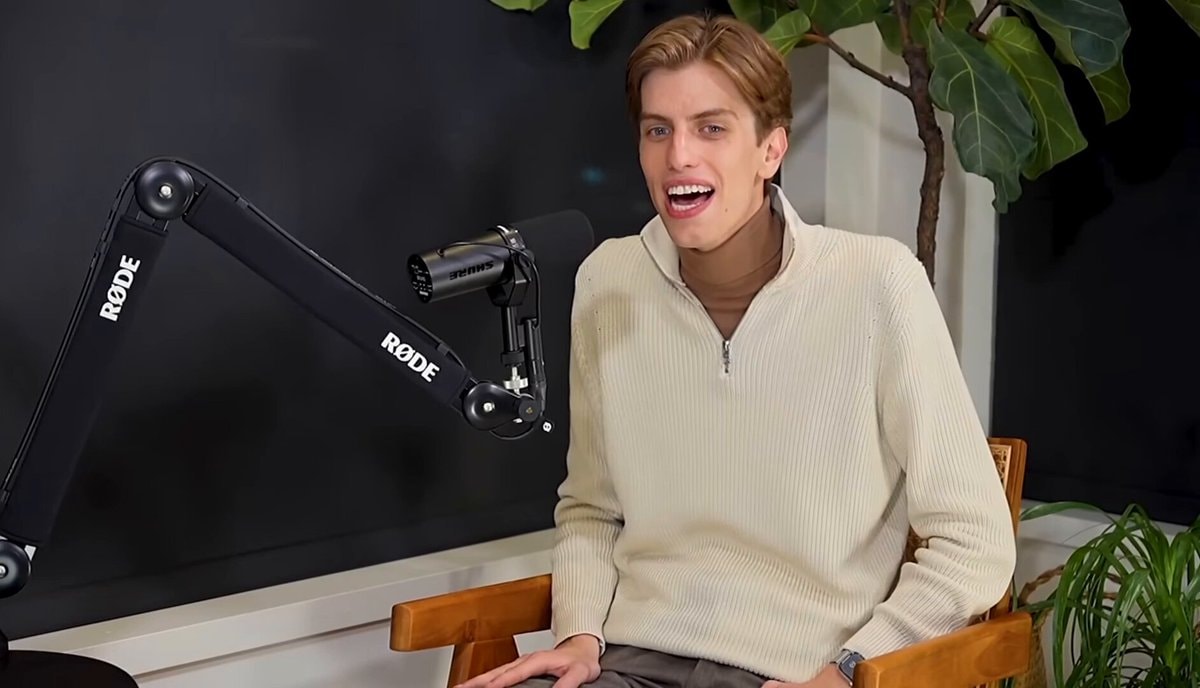
Leopold Aschenbrenner and Situational Awareness 2.0
by Huda Thomas: Leopold Aschenbrenner
The Nasdaq now has a live ticker for the thing that nearly took Leopold Aschenbrenner down. Anthropic, the biggest private position left in his fund at roughly $5 billion, started trading there and closed its first day at $97, up about 17% from an $83 IPO price. That means the largest holding inside Situational Awareness finally has a public price that moves every second, which is good on an up day and is exactly the kind of setup that turned against him in July, when falling prices became collateral calls within hours. Go back to the start. Aschenbrenner, 25, was cut loose by OpenAI in April 2024 over an accusation that he leaked company secrets, something he denies. In June 2024 he put out the essay "Situational Awareness," which forecast superintelligence by 2027, and then built a hedge fund around the same name and the same ideas. Investor paperwork placed no ceiling on borrowing or on concentration, and the fund went on to pull tens of billions of dollars from Wall Street banks, per the New York Times. It also placed big short bets on names like Adobe that it figured AI would replace. Then AI stocks slid in July. Goldman Sachs, among the larger lenders, wanted repayment. To answer margin calls the fund unloaded around $20 billion of stock in roughly 30 hours, and Citadel absorbed much of that discounted inventory after a call between Aschenbrenner and Ken Griffin. Reuters, citing a letter to investors, reported the portfolio fell 67% that month. JPMorgan walked away from the lending relationship in September. Four months on, the Financial Times reports he is in talks about something being called "Situational Awareness 2.0." The shape of it: borrowed money back in the mix, fresh capital from outside investors, possibly in 2027, with neither piece finalized. Prime brokers are in the conversation, Jefferies among them, even though that firm reportedly passed on the fund earlier over its hedging approach. Headcount sits around 30 and a chief risk officer is being hired. Back in July he told investors bank financing was done, per Hedgeweek, though the NYT notes he never ruled out returning to it. The wider AI trade is running the same experiment. The people putting up data centers, the neoclouds, the buyers of chips: all of them are funding a long-horizon bet with short-horizon debt, and the lenders hold the switch on when the long horizon gets cut short. Aschenbrenner already saw what happens when they flip it early. His read on the upside hasn't softened. In his telling, AGI priced in tomorrow could be worth 100X, maybe more, because sequencing and capital matter that much. He also frames the firm as a brain trust on AI, a public voice of reason and an adviser to important actors, partly because plenty of smart people in the labs can't speak freely about what they see coming. Early backers did well from the core call: Reuters had the fund still up about 80% for the year even after July, and the essay's prediction that AI would swallow enormous amounts of capital has largely held. One investor told the NYT the only fair criticism was too much borrowed money. The timing was the killer, not the thesis. With a public Anthropic price now feeding the remaining stake and borrowed money potentially back on top, every rough day for Anthropic becomes a rough day with his lenders. So does he get a second round of bank money?
Transcript (en)
I think done right, there's a lot of money to be made. I think if AGI were priced in tomorrow, you could maybe make 100X. Probably you can make even way more than that because of the sequencing and capital matters. I think the other reason is just some amount of freedom and independence. And I think there's some people who are very smart about this AI stuff and who are kind of like see it coming, but I think almost all of them are kind of constrained various ways right they're in the labs you know they're in some you know some other position where they can't really talk about this stuff and um you know in some sense i've really admired sort of the thing you've done which is i think it's really important that there's sort of voices of reason on this stuff publicly or people who are in positions to kind of advise important actors and so on and so i think there's a you know basically the thing this investment firm will be will be kind of like you know a brain trust on ai it's going to be all that situational awareness we're not the best situational awareness in the business you know we're gonna have way more situational business than any of the people who manage money in the you know new york yeah we're We're definitely going to, you know, we're going to do great on investing. But it's the same sort of situational awareness that I think is going to be important for understanding what's happening, being a voice of reason publicly and sort of being able to be in a position to advise.