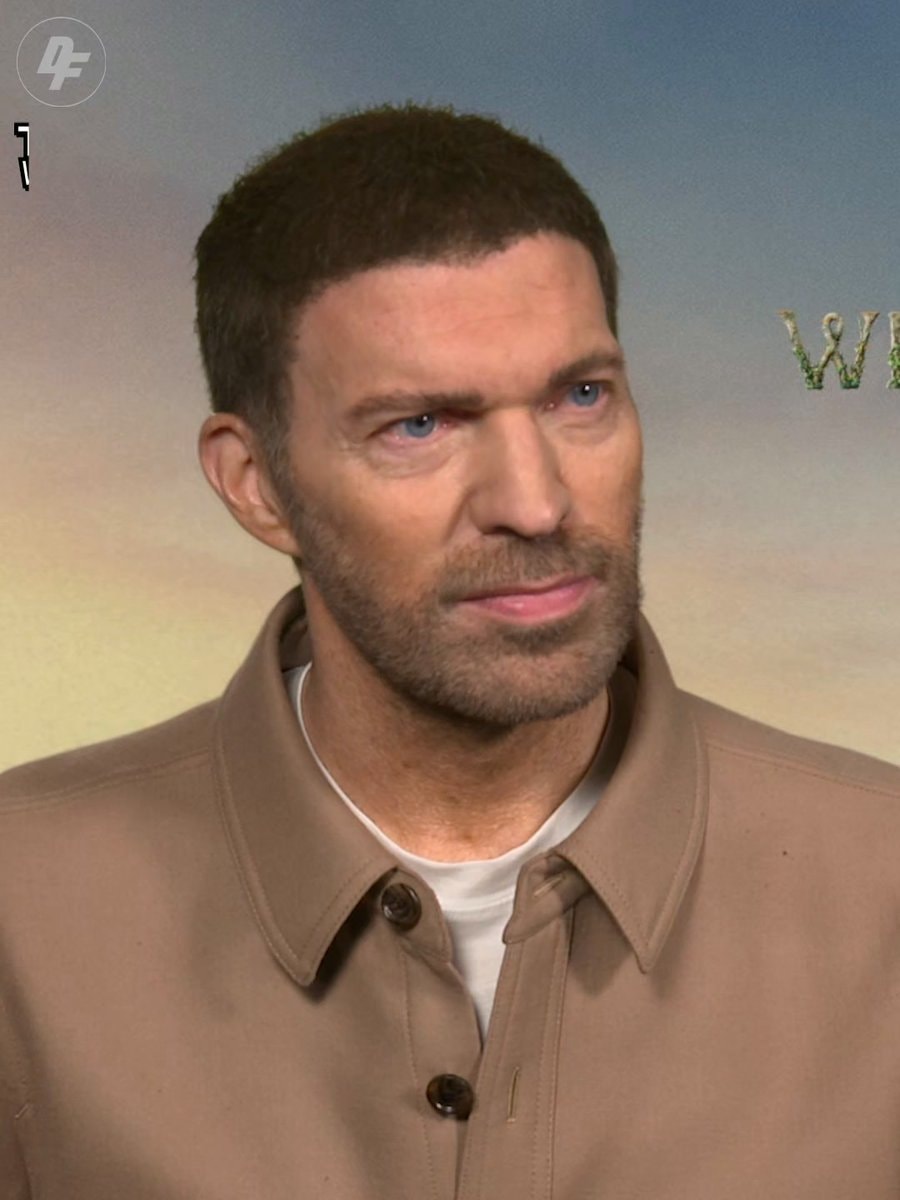
Travis Knight on WILDWOOD stop-motion
by Anjali Filmi: Travis Knight
Travis Knight explains that Laika had to push stop-motion boundaries for 'WILDWOOD' because the film demanded sweeping camera moves that feel elegant, alive, handheld, and cinematic. Achieving those specific visual qualities in stop-motion is really challenging since every movement must be programmed frame by frame. The process involves moving physical objects slightly between thousands of photographs on a set with lights and a camera. A camera used in this miniature world is roughly the size of a Prius. Creating big sweeping epic shots with an emotional story required treating the production like a live-action film. These big sweeping camera movements, having something that feels elegant, alive, handheld, and cinematic in stop-motion, is really challenging. But that's what this movie required.
Transcript (en)
Well, I think people generally understand the basic concept behind what stop motion is, which is that we make thousands of these tiny little things. We put them on a set in front of lights and a camera, and you move them a tiny little bit. You take a picture, you move them a little bit more, you take a picture. That's the fundamental process of how these things are made. You know, like anything that's simple to understand, it is one of the most complicated things in the world. Even something as simple as a simple camera move, all those things, you know, a camera is inert just like everything else in this world that has to be programmed to move a frame at a time. And a camera in a miniature world is the size of a Prius. So, you know, having these big sweeping camera moves and having something that feels kind of elegant and alive and handheld and cinematic to do in stop motion is really challenging. But that's what this movie required. It needed to be this big sweeping epic, this big emotional story, and that meant we had to treat it like it was a big live action film.