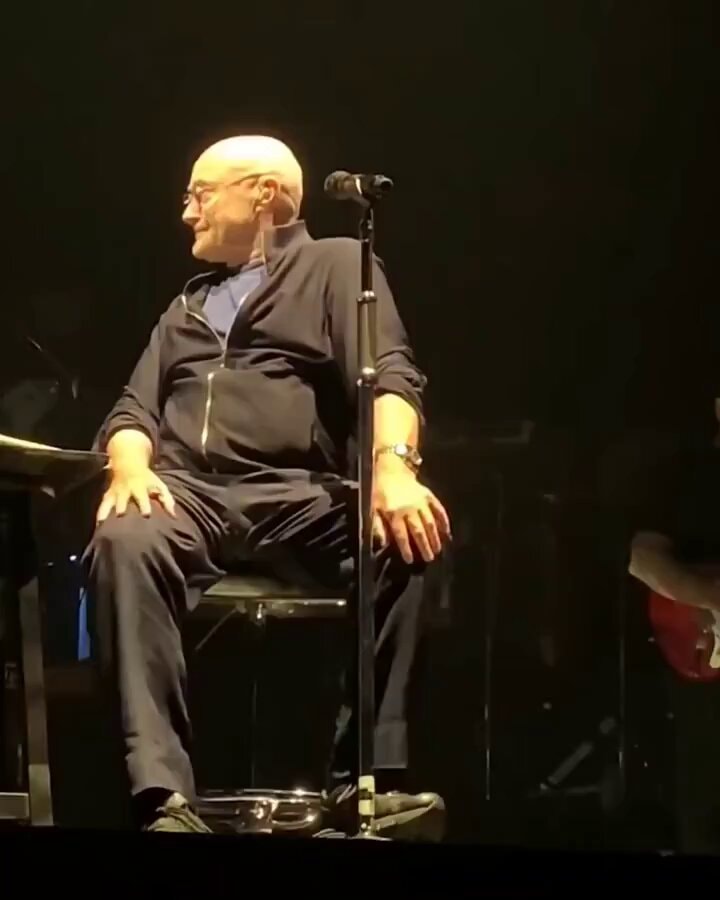
Phil Collins creative process analysis
by Felix P: Phil Collins
Phil Collins built a reputation in the 1980s as a hit-making machine. His output across both his solo work and his time with Genesis flooded the charts with memorable tracks at a speed that few peers could match. It might sound like an exaggeration to claim he could write five number-one hits during a single coffee break, but looking at his actual creative process shows exactly how that level of productivity became possible. He rarely sat down to write with a predetermined theme in mind. In fact, he almost never asked himself what a song was supposed to be about. Instead, he started with sound and atmosphere. He would program a simple, hypnotic pattern on a drum machine, most often using the Roland CR-78. Then he played piano or keyboard over that loop until a specific mood began to take shape. Once that emotional space existed, the melodies and lyrics tended to arrive almost without effort. The classic example of this method is "In the Air Tonight." Collins has stated that roughly eighty percent of the song was improvised in a single session. He set up a drum-machine pattern while alone in his bedroom, shortly after his marriage had collapsed. He found a few chords he liked and simply began singing. The opening lines that emerged during that first take remained largely unchanged on the finished record. That home demo itself became the foundation for the master recording on the album Face Value. The entire process unfolded quickly because he was not constructing a song in the conventional sense. He was capturing a feeling as it happened. This approach proved to be remarkably efficient. The drum machine freed him from having to maintain the rhythm himself, which allowed him to concentrate fully on melody and emotion. He responded to the atmosphere rather than forcing a structure onto it. Personal experience supplied the fuel for this method. The pain of his divorce poured directly into the music, giving the songs an urgency and authenticity that no calculated formula could replicate. When the emotion was already present, the writing simply flowed. Even in the collaborative setting of Genesis, the same principle applied. Songs such as "Invisible Touch" emerged from brief studio improvisations. A guitar riff would appear, Collins would answer with a fully formed melodic and lyrical idea, and the track would take shape in minutes. The best material often arrived when the musicians stopped overthinking and simply played. Collins’ system was deceptively simple: create an atmospheric foundation, respond with chords and melody, sing whatever came out, and then keep only what felt true. He refined sparingly. The result was a steady stream of songs that sounded both immediate and deeply personal. He did not chase hits. He recorded the emotional weather of the moment, and radio audiences responded to the honesty. That combination of technical freedom, emotional honesty, and trust in improvisation explains how one man could produce so much lasting music in such a short span of time. The speed was not the product of frantic effort. It was the natural outcome of a process that removed obstacles between feeling and song. #PhilCollins
Transcript (en)
How can I just say that you are the way, to set you leave without a trace? When I say you take every way with you, ooh. You're the only one You're the only one How can you just walk away from me When all I know is what you need Cause we should have to have none of you You should have to leave You're the only one who really knew you were So take that away now Cause there's just an empty space There's nothing left here to remind me Just a limb without a place You stay back on me, you're not I'm too young You're still just like you to see You can come back to me You're going so hard It's a chance I've got to How does it change turn around turn around to me cry There's no more time to say to me, so can't wait until I'm gone. Take it down. Thank you. I'm sorry.