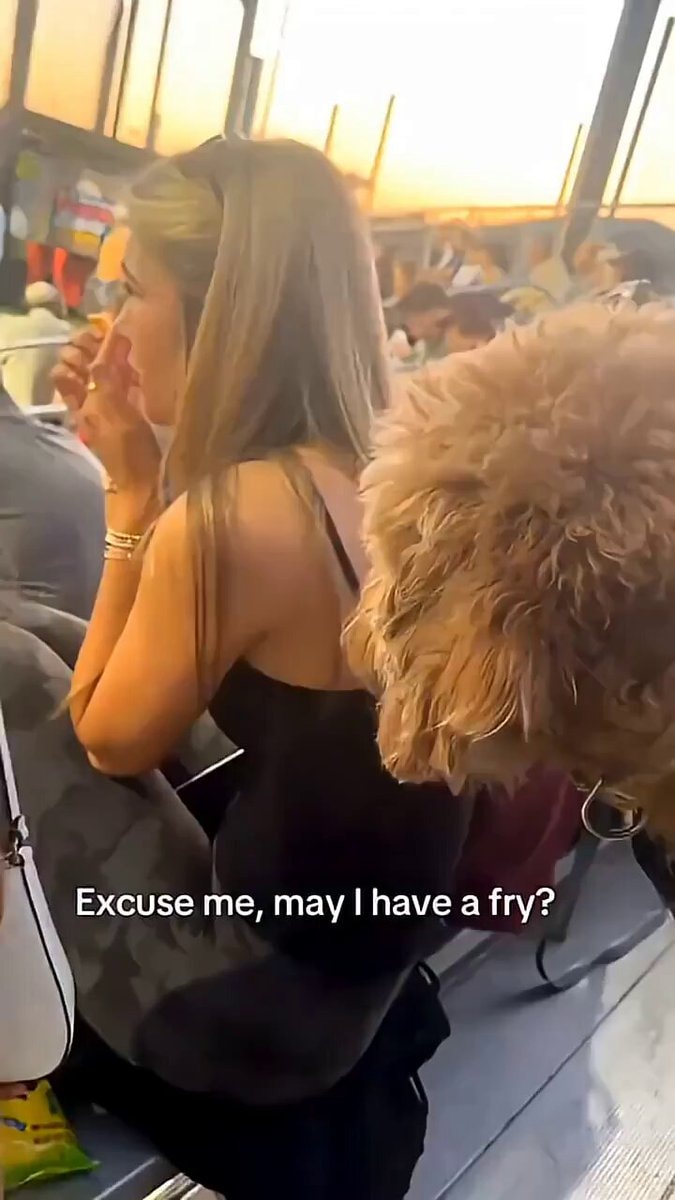
Dog begging for fry shows evolutionary bond
The title of man's best friend is not just a sentimental label for dogs. It describes a profound partnership that was forged over thousands of years. This bond reflects a relationship shaped by evolution itself. The scenes of dogs begging for food or cuddling close capture something deeper than simple cuteness. They show the result of a biological history that began long before modern civilization. Thousands of years ago, certain wolves started lingering near human hunter-gatherer camps. They were drawn by the leftover food from these early settlements. The wolves that were less fearful of people gained a significant advantage in this environment. Natural selection and human preference favored the friendliest individuals during this process. Scientists often call this dynamic 'survival of the friendliest'. This evolutionary path transformed wolves into dogs. They became the first animal that humans ever domesticated. Estimates place the start of this dog-human relationship between 15,000 and 40,000 years ago. This connection began long before the advent of agriculture or the domestication of other livestock. Archaeological finds provide physical proof of how early and intimate this bond became. Excavations have revealed humans and dogs buried together. These graves confirm that the connection was deep and personal from the very beginning. What sets dogs apart from other species is the depth of their social attunement. They read human gestures with remarkable skill. They interpret eye contact and emotional cues better than most other animals. This includes our closest primate relatives. A key mechanism for this unique bond is the hormone oxytocin. When a dog and its person gaze into each other’s eyes, oxytocin levels rise in both parties. This creates a positive feedback loop. It is similar to the bond formed between a parent and an infant. Wolves do not trigger this same response. Even wolves that are raised by humans from birth do not produce the same oxytocin reaction. Domestication fine-tuned the brains and behavior of dogs for interspecies connection. This process selected for reduced fear and heightened sociability. It also selected for a prolonged playful and juvenile-like nature. This trait keeps them open to human companionship throughout their entire lives. The partnership has always been mutual in its benefits. Early dogs helped humans with hunting tasks. They guarded camps and warned of approaching danger. In return, these early dogs received steady food and protection from the elements and predators. Today, that exchange continues in an emotional form. Dogs lower stress levels for their owners. They ease feelings of loneliness and offer unconditional presence. Their loyalty stems from seeing humans as the center of their social world. Dogs stick close to their people. They seek affection and treat the family unit as their pack. Unlike wild animals whose friendliness is rare or temporary, dogs carry a genetic predisposition for bonding with people. Centuries of living alongside us have made trust and affection their default state. The playful and affectionate scenes we see are not exceptions to the rule. They are the everyday expression of a relationship refined across deep time. In short, dogs are not simply tame wolves. They are partners whose evolution intertwined with our own. That shared history explains why they remain the most reliable and devoted companions we have. Across cultures and centuries, this bond has proven to be joyful and enduring. The video clips of dogs interacting with strangers or sleeping beside their owners are evidence of this ancient tie. It is a connection that transcends simple training or habit. It is written into their biology and our shared past. #Dogs
Transcript (pt)
Não, eu acho que eles estão de xuxa. O que? O que você fez? ...noite, o sol, esta manhã, até a tarde, ele caiu rapidamente, nós conseguimos colocar um coque em algumas áreas, mas... Vamos embora, porra. Falou. Tchau, porra. Tchau. Muito bem, Luquinha. Pega o meu espaço, mano! Me dá espaço, por favor! Não, não Oh meu Deus, não Oh meu Deus