Meta crime-fraud privilege ruling
by Tim Official: Meta
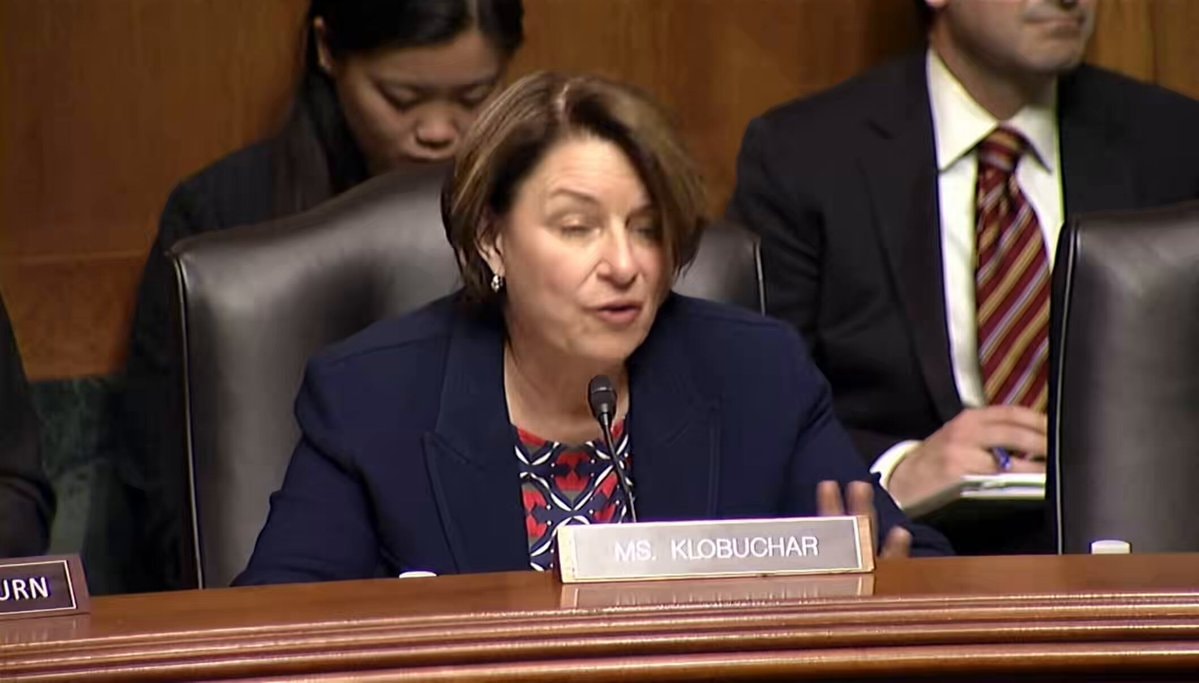
A judge just cracked open attorney-client privilege in a case against Meta, and the DC Court of Appeals refused to seal it back up. That's the crime-fraud exception, the one that exists when lawyers are used to help commit fraud, and it's rare as hell. Four documents are now unsealed. Two show Meta lawyers telling researchers to cut parts of a study on teens' developmental vulnerability, specifically because government investigators might use it. A third covers lawyers working to block or redesign research into teen mental health harms because of litigation risk. The fourth is legal advice about a presentation on what teens were exposed to, planned for Meta executives. The judge found probable cause that attorneys advised researchers to remove, block, limit, and update their work, not just summaries. The appeals court cited Washington v. American Tobacco, the 1997 case where cigarette companies lost privilege for the same kind of misuse. Six whistleblowers testified to the Senate in September 2025, two under oath about Meta's VR products, saying the legal department routinely intervened to alter, delete, or block data showing harm to minors, including demanding destruction of data about underage sexual solicitation. Senator Amy Klobuchar said Meta blocked, manipulated, hid, and deleted research. Meta denies it, calling the advice conventional legal advice about limiting risk and using careful language. Three employees signed declarations swearing no lawyer told them to delete, conceal, or alter research, but the trial court refused to consider them because they were filed too late. To be clear, the judge found probable cause, not guilt, and the appeals court didn't rule on whether he was right. Meta handed over 2.5 million documents in discovery, then sent clawback notices for some; this fight is about four that slipped out. Separately, a New Mexico judge ordered Meta to pay $567 million into a fund for youth mental health treatment, on top of $375 million a jury imposed in March, totaling $942 million for New Mexico. That judge also ordered Meta to strip Like counts for minors, pause push notifications between 10pm and 7am, and cap usage at roughly 3 hours a day. Jury selection in Oakland starts August 12, opening statements August 18, and California, Colorado, Kentucky, and New Jersey are asking for up to $1.4 trillion. Meta's market cap is about $1.57 trillion. Frances Haugen leaked documents in 2021, Arturo Bejar testified in 2023, and six more researchers testified in 2025, leading to congressional hearings but no change. A jury in Oakland can take action against Meta. tbh, the American Tobacco parallel is hard to shake
Transcript (en)
For too long, these companies have worked to attract kids to their platforms. They do so knowing that their platforms use algorithms that increase the risk of sexual exploitation, push harmful content, facilitate bullying, and provide venues, sadly, for dealers to sell deadly drugs like fentanyl. Meta cannot continue to turn a blind eye to these harms. It was in this very room with this very committee, maybe it was in a different room, but the same committee, where Mark Zuckerberg actually turned to some families who had lost children to drugs who said, I'm sorry, I'm sorry this happened. Well, sorry is not enough anymore, and we need to put in some rules of the road to stop this from happening. This is not the first time whistleblowers from Meta have come forward. In 2021, another whistleblower, Frances Haugen, testified that Meta knew that its products took a significant psychological toll on users. In that case, it was eating disorders. That testimony should have been a wake-up call for Meta, a chance to right the ship. Meta did make changes after her testimony, but not to protect kids. Instead, the company took steps to establish plausible deniability, metablocked, manipulated, hid, and deleted research that showed that its virtual reality products were frequently used by underage kids who were exposed to real and significant harm.