postbiotic pill microplastics thebrainmaze TansuYegen
a postbiotic pill could catch microplastics in the gut before they move elsewhere
Transcript (en)
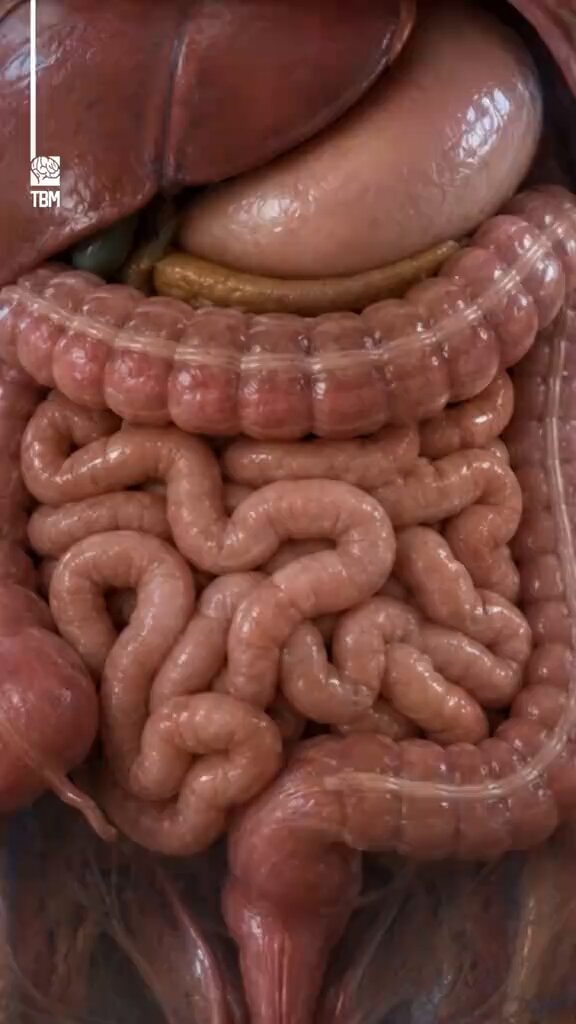
A new supplement could help stop microplastics before they become part of your body. The research, published on BioRxiv, explores a postbiotic made from inactive bacterial cells that may act like a tiny filter inside the digestive system. Instead of using living bacteria, this supplement contains bacteria that have been heat-killed, leaving behind their strong outer cell walls. These cell walls have a rough surface that appears to attract and bind microplastic particles. As food moves through the digestive tract, the bacterial structures may act like tiny traps, capturing plastic fragments and carrying them out of the body through normal waste instead of allowing them to interact with the gut lining or potentially enter the bloodstream. The supplement, called Qi601, was tested in laboratory models of the human gut lining and later in a small human proof-of-concept study. Participants were exposed to microplastic particles from chewing gum a known source of plastic fragments and researchers found that the postbiotic was able to attach to these particles and help prevent them from remaining free inside the body Microplastics are plastic particles smaller than five millimeters and they are now found in many environments around the world, including the food we eat, the water we drink, and the air we breathe. Researchers have detected these particles in human blood, lungs, and even brain tissue, raising concerns about their possible effects on health. Some studies have linked microplastics found in arterial plaque with a higher risk of heart attack and stroke, while other research has reported elevated microplastic levels in the brains of people with Alzheimer's disease. Scientists are still investigating exactly how these particles interact with human cells and what long-term effects they may have. If further research confirms these findings, postbiotic-based supplements could become a new tool in limiting everyday exposure to one of the most widespread pollutants humans face.