
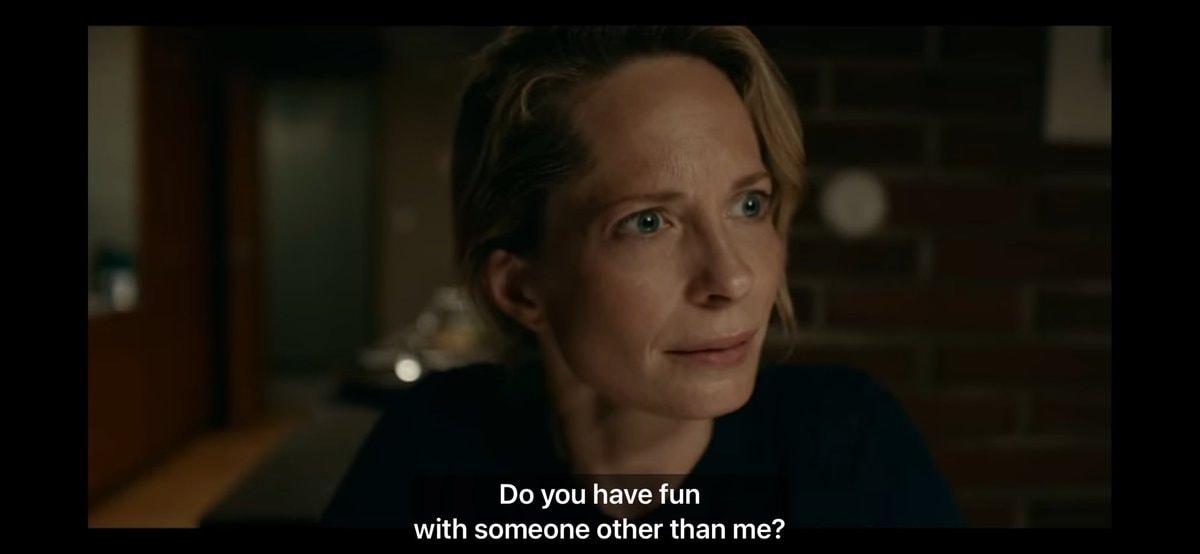
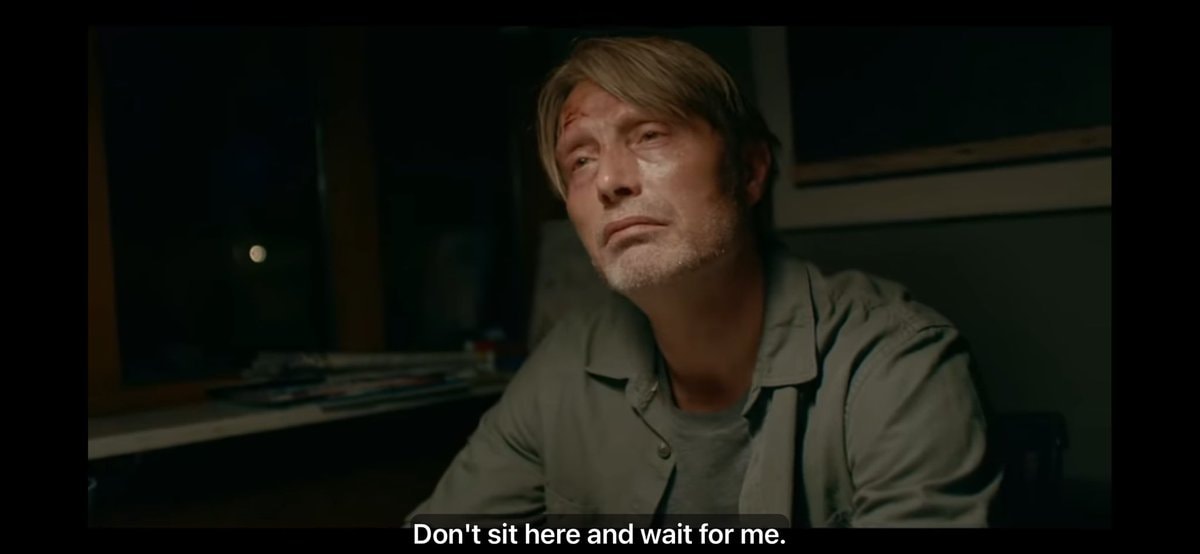
@pavellimGrok's verdict on second chances is the part I keep circling back to. The question I put to it: going by AI logic, does it pay to keep an unreliable person in your life, on the premise that a betrayal once means a betrayal again. Answer was no, and in most cases not worth the trouble. Patterns and risks are what it weighs, it told me. No feelings in the calculation, no personal history, no urge to "believe in the best in people." Someone who has gone back on a central commitment, fidelity being the case it chose, has shown a willingness to rank their own wants or convenience above what they agreed with a partner. Grok called that a strong signal of low reliability, and added that conduct of this kind recurs statistically and in observed patterns, particularly once circumstances turn hard or tempting again. So a second chance tends to leave the person who was hurt carrying a large risk with thin guarantees. The rational move it set out: don't sink significant resources again, meaning time, trust, emotional closeness, into someone whose unreliability is already demonstrated, unless there is very strong and checkable evidence of deep change. That evidence is usually rare and takes a long while to build up, and most people in the same spot land on "not to continue," which Grok calls consistent with minimizing risk. Exceptions exist but are uncommon, and they have to rest on concrete actions and sustained behavioral change, not on remorse or talk. By default, it said, the risk logic argues against continuing. I had been sitting with Another Round (Druk), the 2020 film, when I put the question to it, and my framing was that betrayal repeats. #Grok #AI
View original post







No comments yet. Be the first!