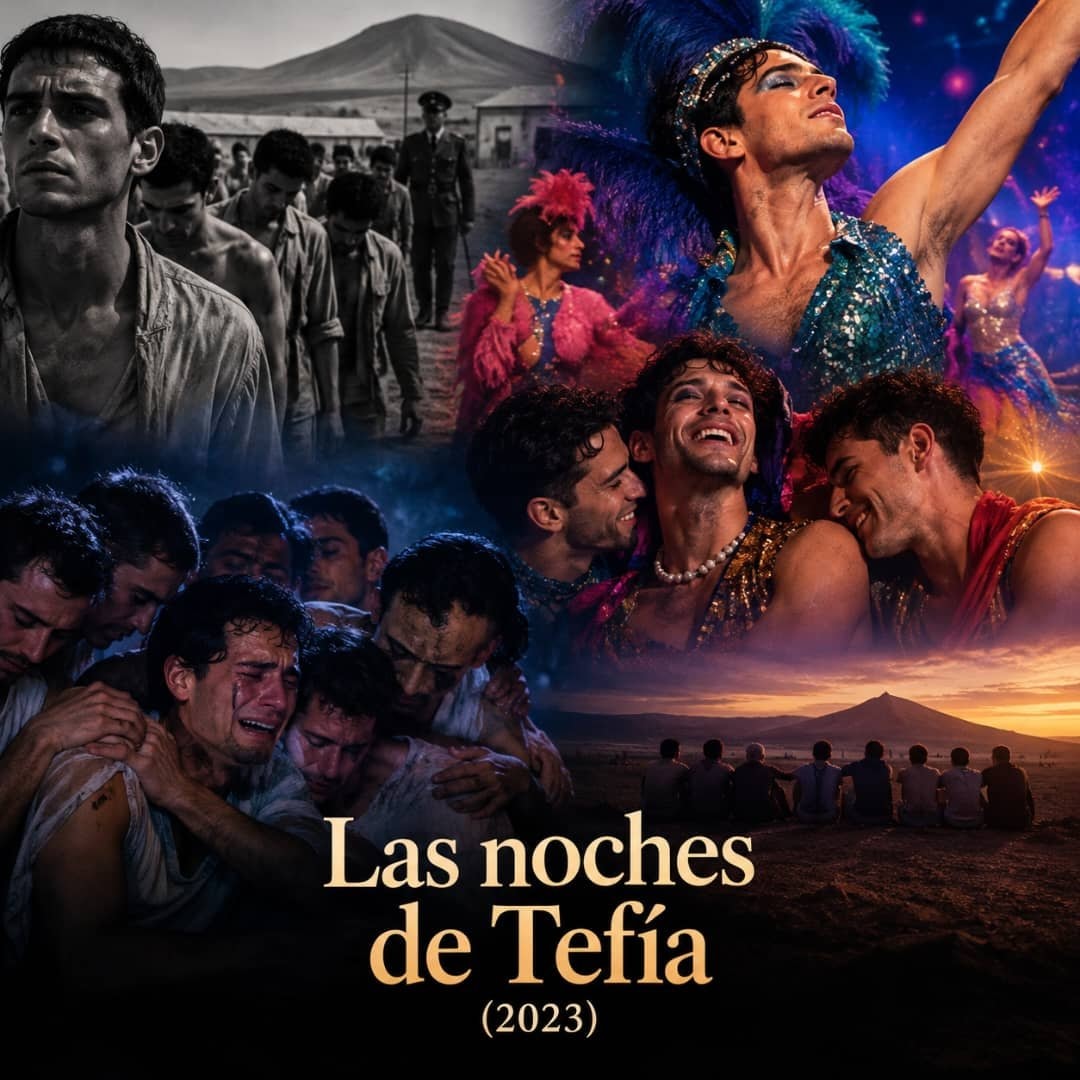
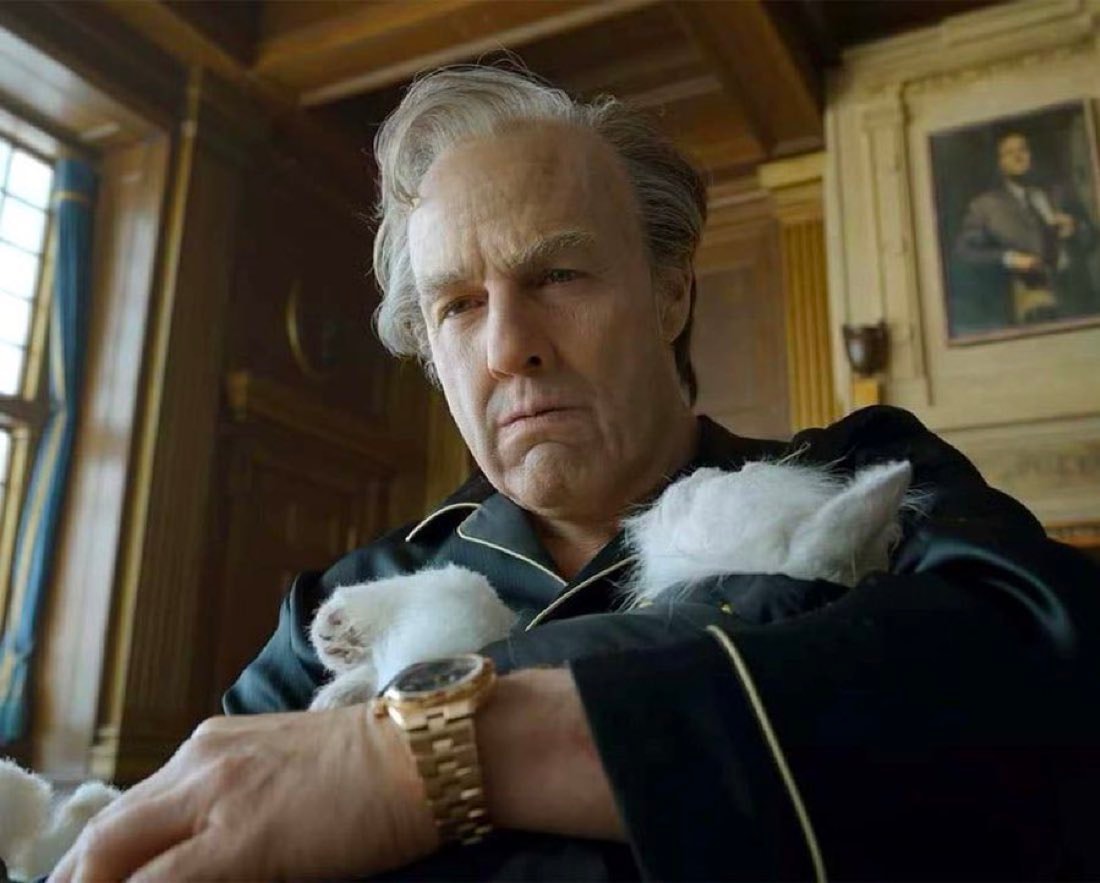
@kimonThe thing that got me about Las noches de Tefía (2023) is that the cruelty is almost background noise. Yes, there's a desert camp, forced labor, beatings, all of it. But the series keeps steering you somewhere else: the nights. That's when Charli, one of the prisoners, starts telling stories to the others. And those stories open up El Tindaya, a cabaret that only exists in their heads. Sequins, alter egos, singing, dancing, people getting to be themselves for a few hours. The fantasy isn't just decoration. It's where desire, humor, beauty, love, and connection come back to people the Franco regime spent so much energy trying to strip away. Then there's the Lacrimosa sequence, where the fantasy cracks open and turns into something closer to collective grief. The shift is so raw it lands like shared mourning, like catharsis the whole group is breathing through together. And the message underneath is simple and heavy at once: you can lock people up, work them to exhaustion, try to erase who they are, but the imagination doesn't leave, and neither does the need for intimacy. Even in the worst places, people figure out how to make their own light, hold onto each other, and keep resisting. That's why the nightly storytelling hits harder for me than any of the suffering. Las noches de Tefía isn't just a story about pain. It shows how these men stayed human, found freedom in small pockets, and made it through by imagining, sticking together, and just being themselves. 🍿 #MovieClips
View original post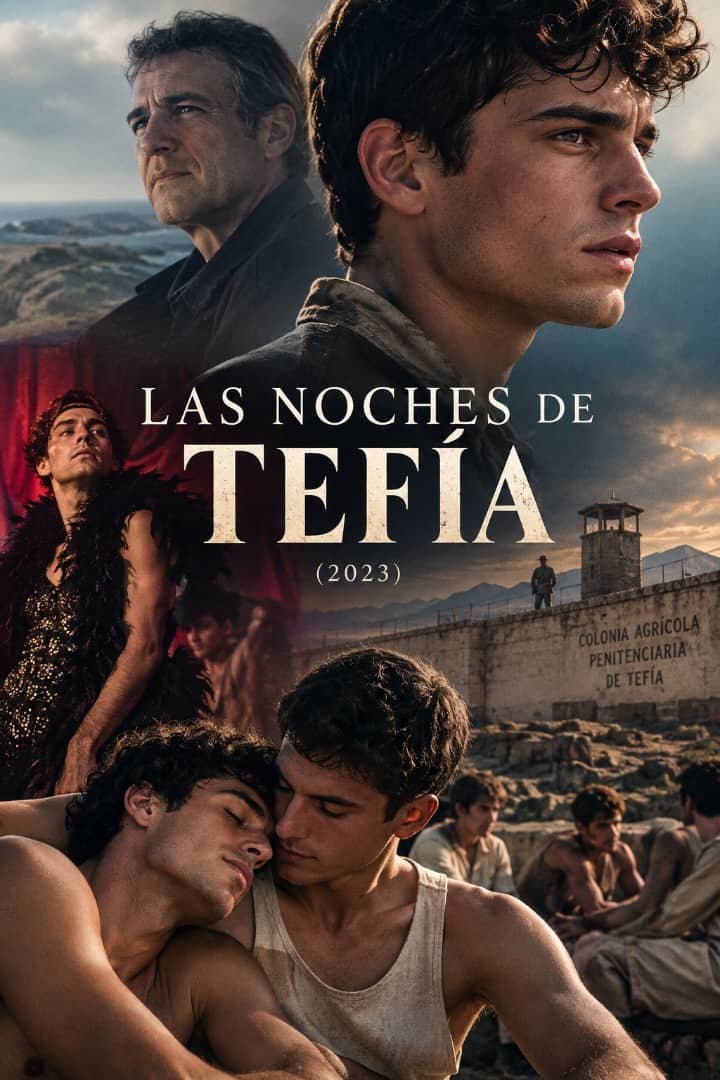











No comments yet. Be the first!