iFANN
    Search iFANN...
    Log in
    Home
    News
    Videos
    Photos
    GIFs
    Explore
    Polls
    Awards
    iFAMOUS
    Wiki
    Anime
    Rooms
    Notifications
    Messages
    Bookmarks
    Profile
    WikiAwardsiFAMOUSRankingsIndustriesCreator RewardsUser RewardsTermsPrivacyCommunity GuidelinesTakedown / DMCAHelpDevelopers

    ยฉ 2026 iFANN

    Home
    Search
    Messages
    Alerts
    Profile
    Photo
    Rose  ๐ŸŽž๏ธ
    Rose ๐ŸŽž๏ธ@rose_1mo
    ๐Ÿ’ญScience๐Ÿ’ญAnimals
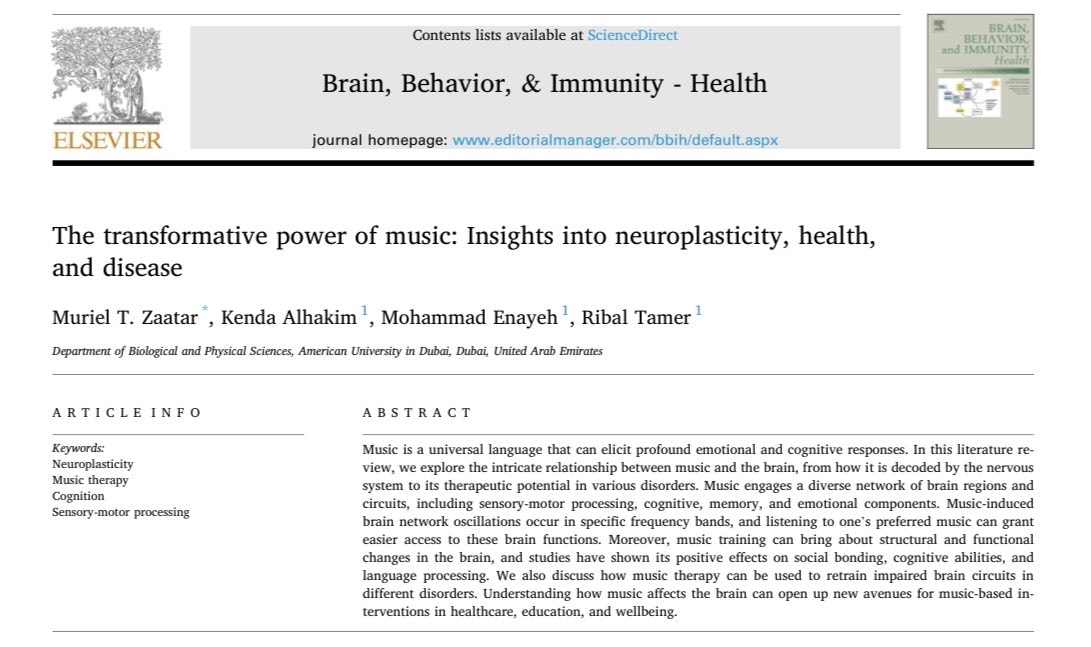
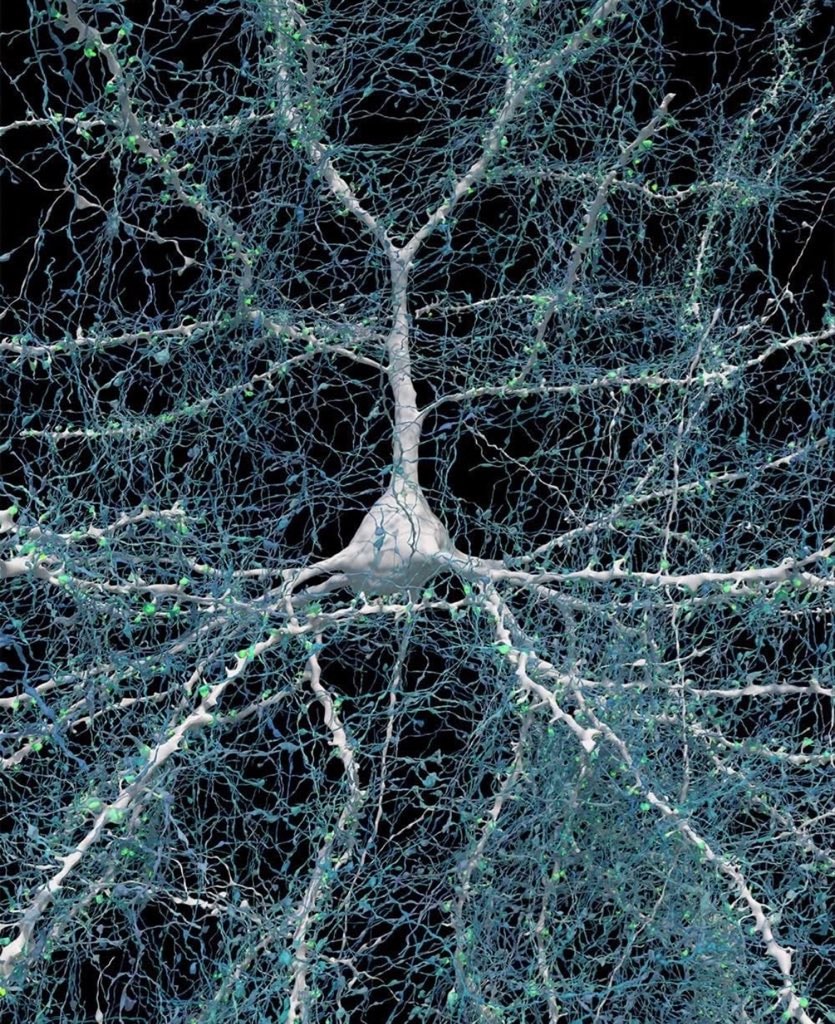
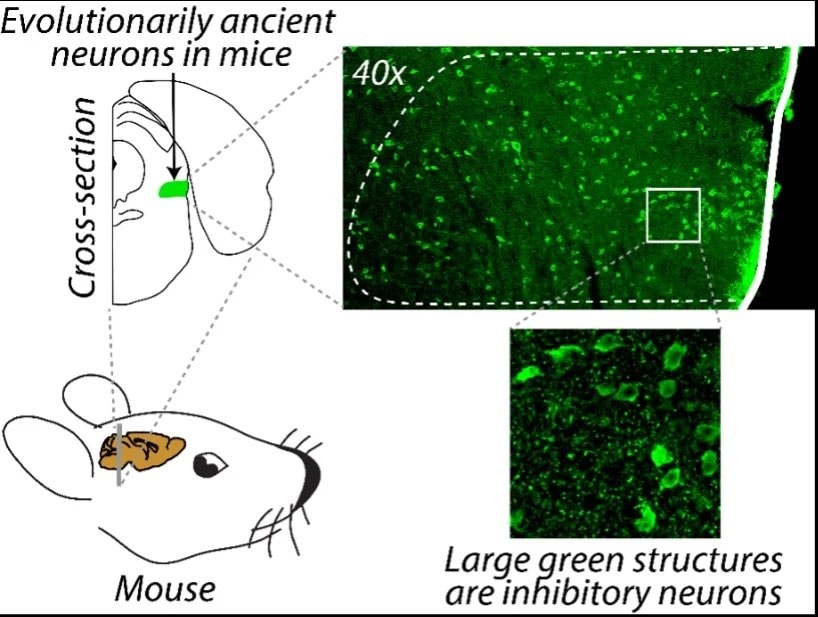
    PLTi neurons and attention selection (photo 1 of 2)
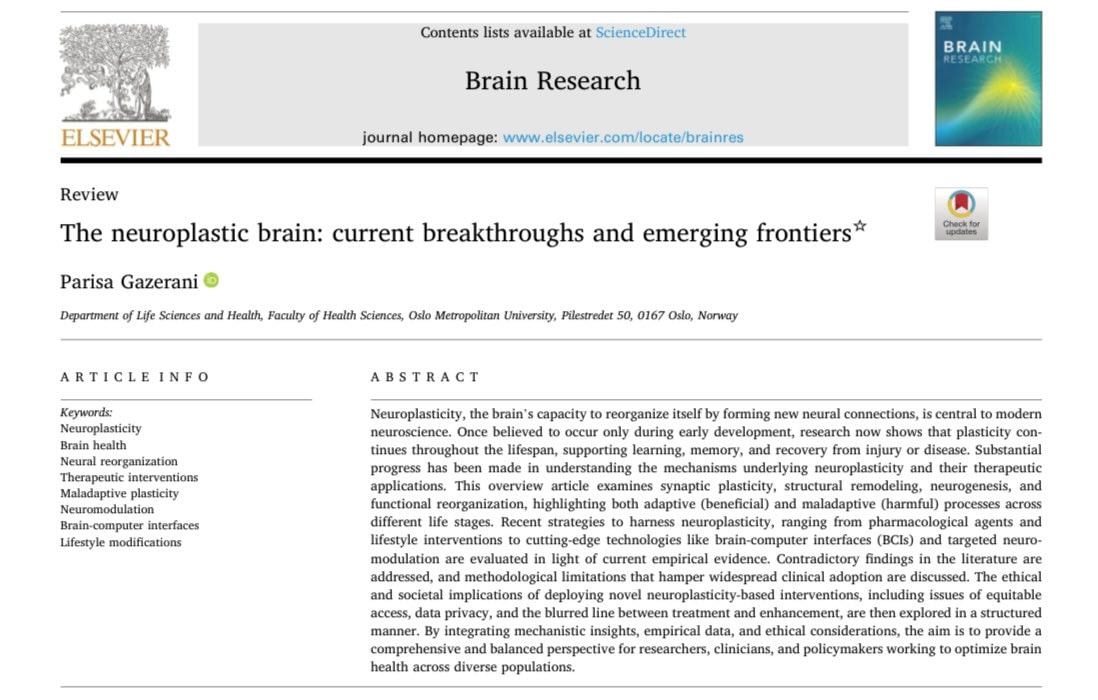
    PLTi neurons and attention selection (photo 2 of 2)

    @rose_The brain doesn't just think harder to pay attention, it has to actively choose what matters while suppressing everything else. A new study using mice found a small group of inhibitory neurons named PLTi in the brainstem that handles this selection process. These PLTi neurons live in an evolutionarily old region and connect to the superior colliculus, which maps space and guides where focus goes. Researchers trained mice to lock onto a target on a touchscreen while ignoring distracting signals nearby. When they temporarily silenced the PLTi neurons, the mice became significantly more distractible. With competing information present, the animals struggled to select the correct target after the silencing happened. The issue observed was specifically related to attention selection rather than sensory or movement functions because the animals retained normal vision and motor control capabilities despite the attention deficits. This pathway influences the superior colliculus, a brain region responsible for spatial mapping and guiding attention. The findings do not confirm a new treatment for ADHD but suggest an explanation for focus mechanisms.

    View original post
    PLTi neurons and attention selection

    Photo by @rose_ยท Sep 22, 2026ยท Photo 1 of 2ยท Science

    About this photo

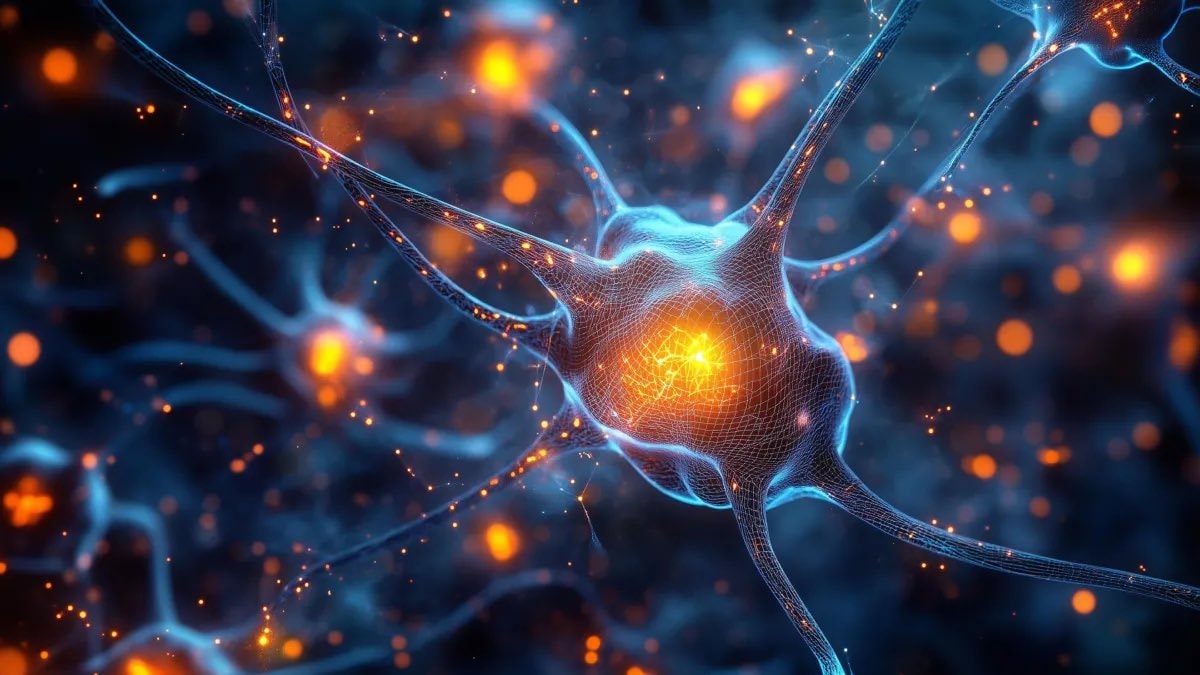
    The focus is a stylized, glowing neuron. It appears to be in a dark, abstract space, with smaller glowing particles and other blurred neurons in the background. The mood is futuristic and scientific, with a vibrant, energetic aesthetic. The bright orange glow emanating from the center of the neuron is particularly striking.

    See all Science photos

    ?

    No comments yet. Be the first!

    More Science photos

    See all Science photos
    fish oil omega-3 UV protection studyfish oil omega-3 UV protection studyhandwriting brain connectivity studyhandwriting brain connectivity studyStress and Health paper by Schneiderman, Ironson and SiegelStress and Health paper by Schneiderman, Ironson and Siegelbrain cellular function questionbrain cellular function questionopen loops and overwhelmopen loops and overwhelmphilosophical reflection textphilosophical reflection textmind-bending conceptmind-bending conceptThe transformative power of music: Insights into neuroplasticity, health, and diseaseThe transformative power of music: Insights into neuroplasticity, health, and diseaseMRI scan of human brain agesMRI scan of human brain agesbrain tissue at nanoscale resolution4brain tissue at nanoscale resolutionNeuroplasticity article by Parisa GazeraNeuroplasticity article by Parisa GazeraJensen Huang Elon Musk TIME magazineJensen Huang Elon Musk TIME magazineToo niche for themToo niche for themJPMorgan precious metals manipulation $920 millionJPMorgan precious metals manipulation $920 million
    Photo
    Rose  ๐ŸŽž๏ธ
    Rose ๐ŸŽž๏ธ@rose_1mo
    ๐Ÿ’ญScience๐Ÿ’ญAnimals
    PLTi neurons and attention selection (photo 1 of 2)
    PLTi neurons and attention selection (photo 2 of 2)

    @rose_The brain doesn't just think harder to pay attention, it has to actively choose what matters while suppressing everything else. A new study using mice found a small group of inhibitory neurons named PLTi in the brainstem that handles this selection process. These PLTi neurons live in an evolutionarily old region and connect to the superior colliculus, which maps space and guides where focus goes. Researchers trained mice to lock onto a target on a touchscreen while ignoring distracting signals nearby. When they temporarily silenced the PLTi neurons, the mice became significantly more distractible. With competing information present, the animals struggled to select the correct target after the silencing happened. The issue observed was specifically related to attention selection rather than sensory or movement functions because the animals retained normal vision and motor control capabilities despite the attention deficits. This pathway influences the superior colliculus, a brain region responsible for spatial mapping and guiding attention. The findings do not confirm a new treatment for ADHD but suggest an explanation for focus mechanisms.

    View original post

    PLTi neurons and attention selection

    Photo by @rose_ยท Sep 22, 2026ยท Photo 1 of 2ยท Science

    About this photo

    The focus is a stylized, glowing neuron. It appears to be in a dark, abstract space, with smaller glowing particles and other blurred neurons in the background. The mood is futuristic and scientific, with a vibrant, energetic aesthetic. The bright orange glow emanating from the center of the neuron is particularly striking.

    See all Science photos

    ?

    No comments yet. Be the first!

    More Science photos

    See all Science photos
    fish oil omega-3 UV protection studyfish oil omega-3 UV protection studyhandwriting brain connectivity studyhandwriting brain connectivity studyStress and Health paper by Schneiderman, Ironson and SiegelStress and Health paper by Schneiderman, Ironson and Siegelbrain cellular function questionbrain cellular function questionopen loops and overwhelmopen loops and overwhelmphilosophical reflection textphilosophical reflection textmind-bending conceptmind-bending conceptThe transformative power of music: Insights into neuroplasticity, health, and diseaseThe transformative power of music: Insights into neuroplasticity, health, and diseaseMRI scan of human brain agesMRI scan of human brain agesbrain tissue at nanoscale resolution4brain tissue at nanoscale resolutionNeuroplasticity article by Parisa GazeraNeuroplasticity article by Parisa GazeraJensen Huang Elon Musk TIME magazineJensen Huang Elon Musk TIME magazineToo niche for themToo niche for themJPMorgan precious metals manipulation $920 millionJPMorgan precious metals manipulation $920 million