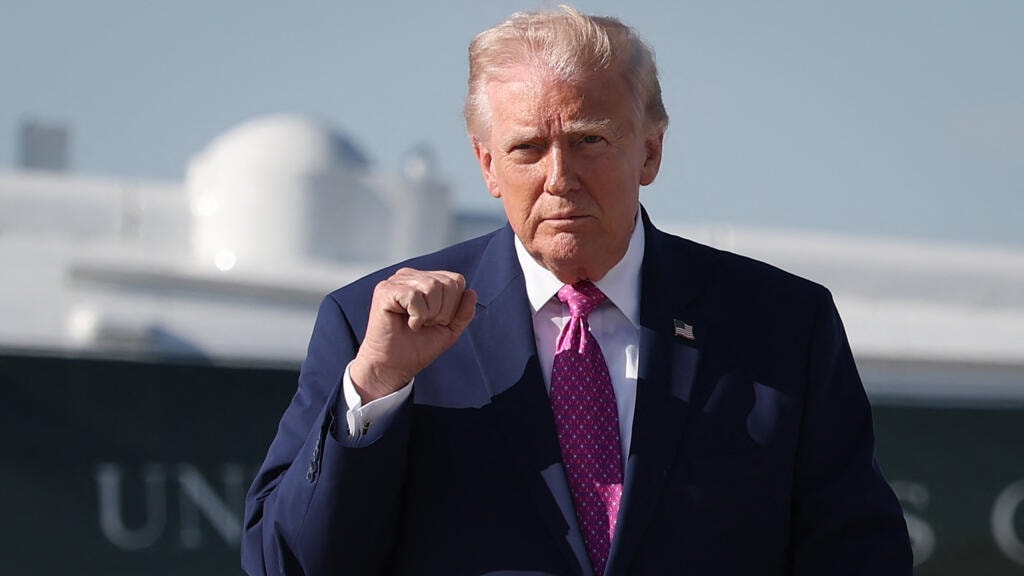
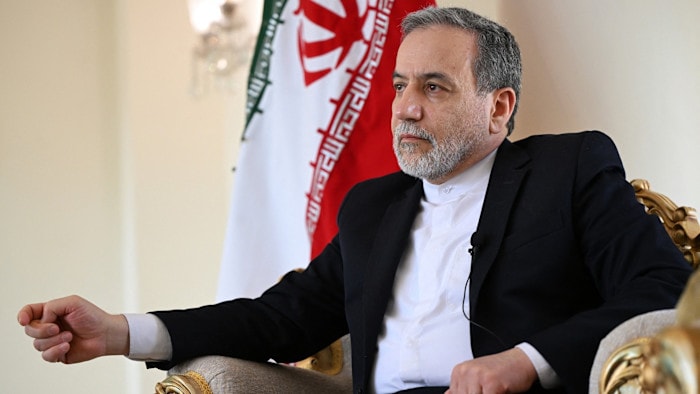
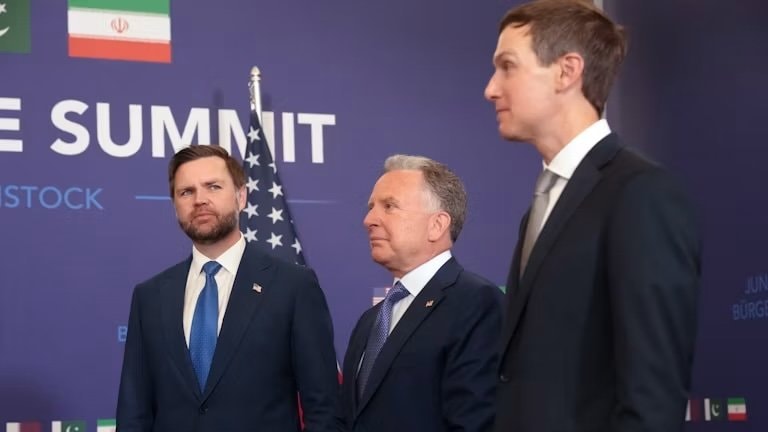
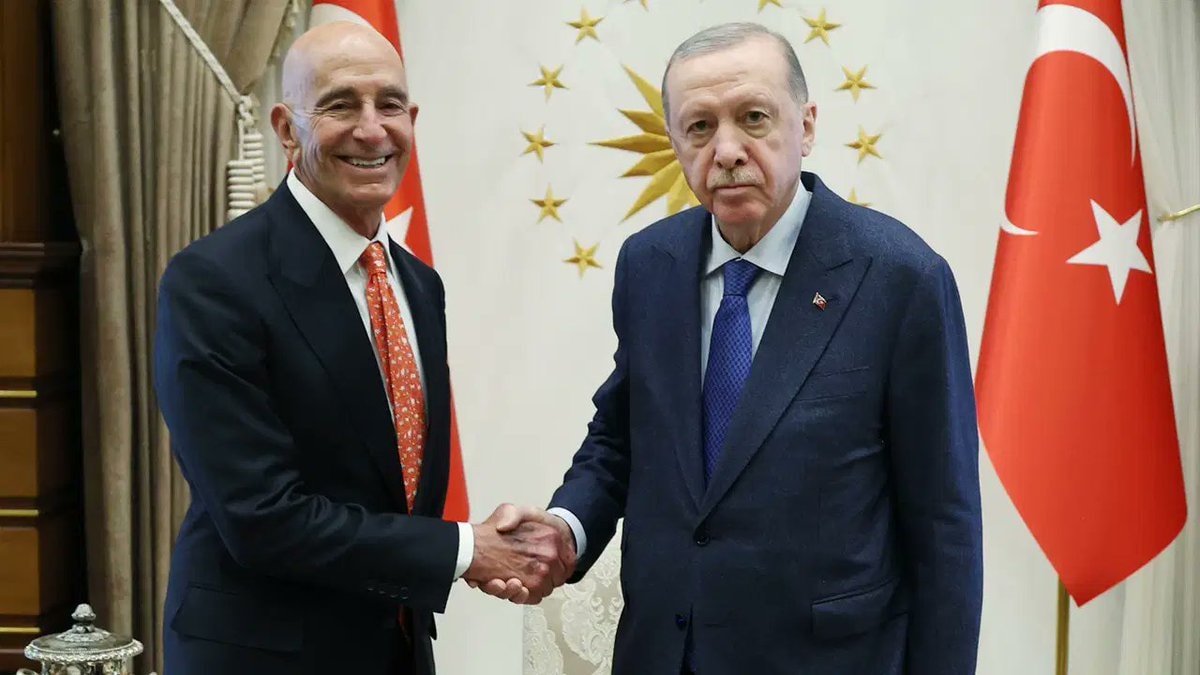
@jolyonThe Gulf morass looks like it’s finally winding down, and I’m turning bullish. Omani negotiators and Iran’s FM Abbas Araghchi have reportedly struck a deal. Araghchi’s one remaining hurdle is selling it to hardliners back home, and people close to the talks say he’s confident. Trump hasn’t been chasing a simple ceasefire; he’s spent days bringing Gulf leaders into a whole new regional architecture. Türkiye, Syria, and Iraq are being cast as stability pillars, building a ring around Iran. The blueprint leans on two things: fresh energy corridors, pipelines through Iraq-Syria-Turkey that lessen dependence on the Strait of Hormuz, and a deliberate financial and political squeeze on the Axis of Resistance. Iran’s nuclear ambitions have been knocked back, its military hollowed out, NATO prodded to carry more European security, Gulf states pushed to own their defense, and Hamas talked into surrendering weapons. The bigger aim is a region where local powers bear most of the weight, the U.S. stands as the backstop rather than a permanent garrison, and the Strait of Hormuz stops being a choke point. Steve Witkoff, Jared Kushner, Sec. Rubio, VP Vance, and Ambassador Tom Barrack are the connectors making it happen. Pakistan drove the early MOU groundwork; Qatar now bridges the competing national interests. If this framework holds, Washington might have tilted the Middle East’s balance of power for decades.
View original post