
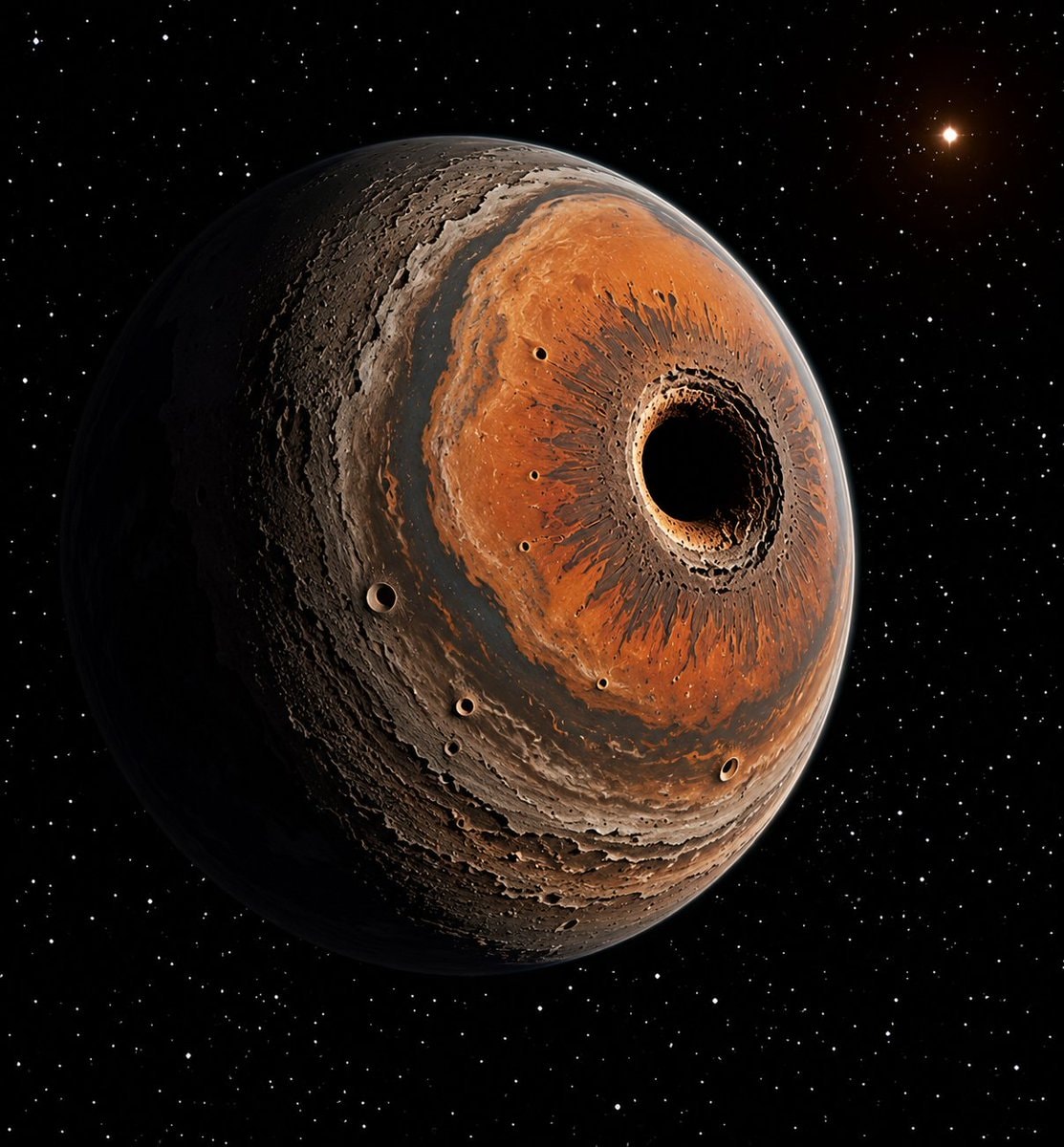
@dr.topazwhat would you name this planet? with a big hole in it
View original post@dr.topazwhat would you name this planet? with a big hole in it
View original postPhoto by @dr.topaz· Jul 11, 2026· Space
The focus is a planet or moon with a large hole in it. The planet has a cratered surface and a reddish-orange color, with a darker side on the left. The mood/style is sci-fi or astronomy-related, with a dark space background featuring stars. A notable detail is the large hole or crater in the center of the planet. There is no on-screen text.
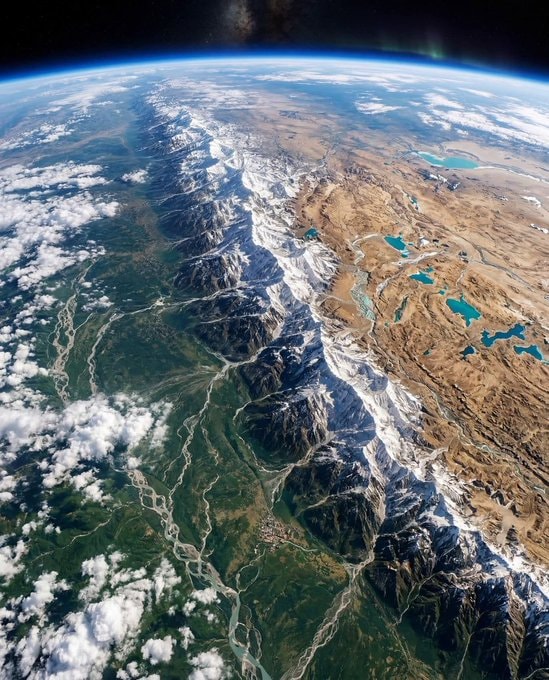 Himalayas visible from space
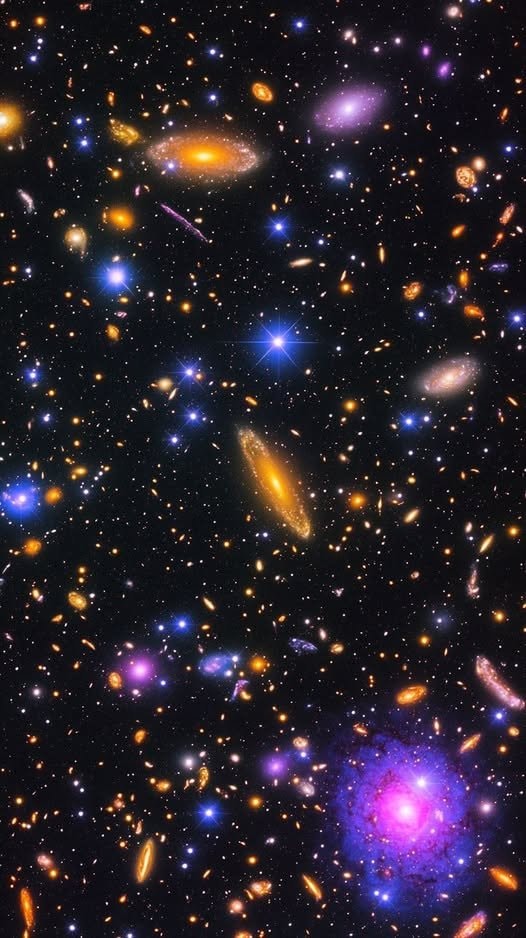 universe unreachable at light speed
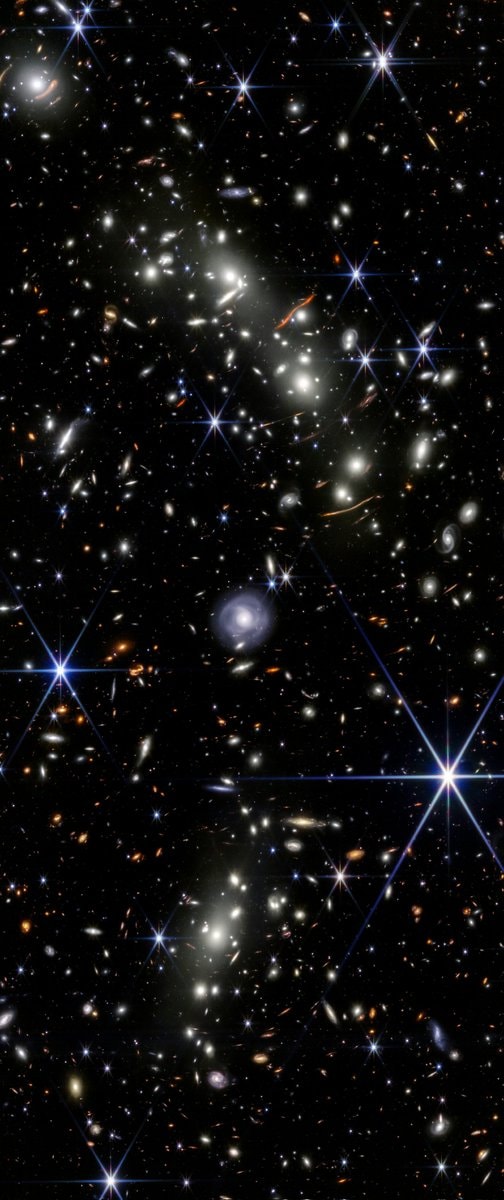 deep space galaxies
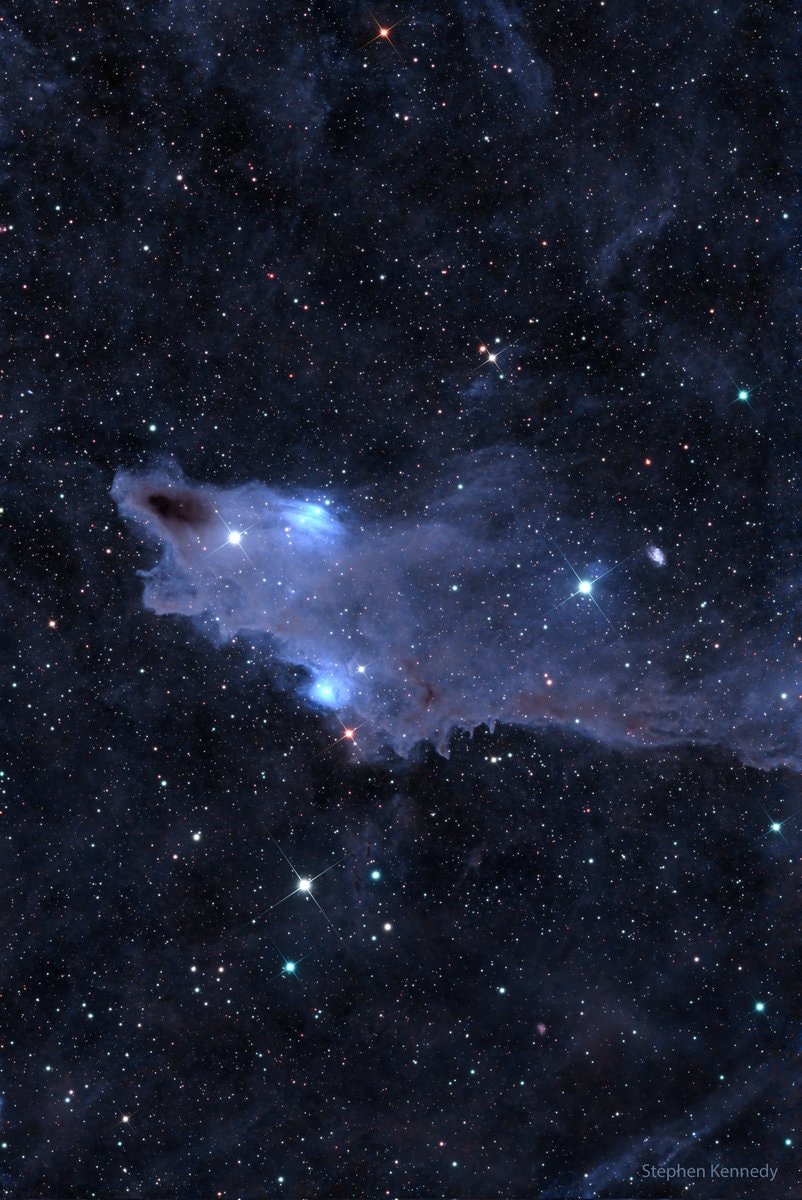 Shark Nebula
 US Space Force deploys on-orbit weapons
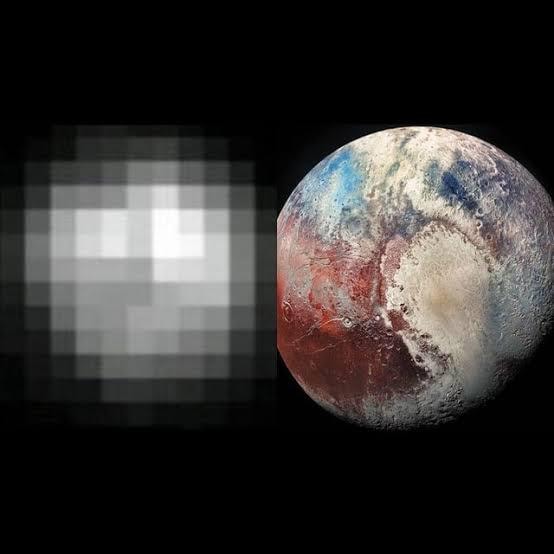 Pluto 1994 vs 2019
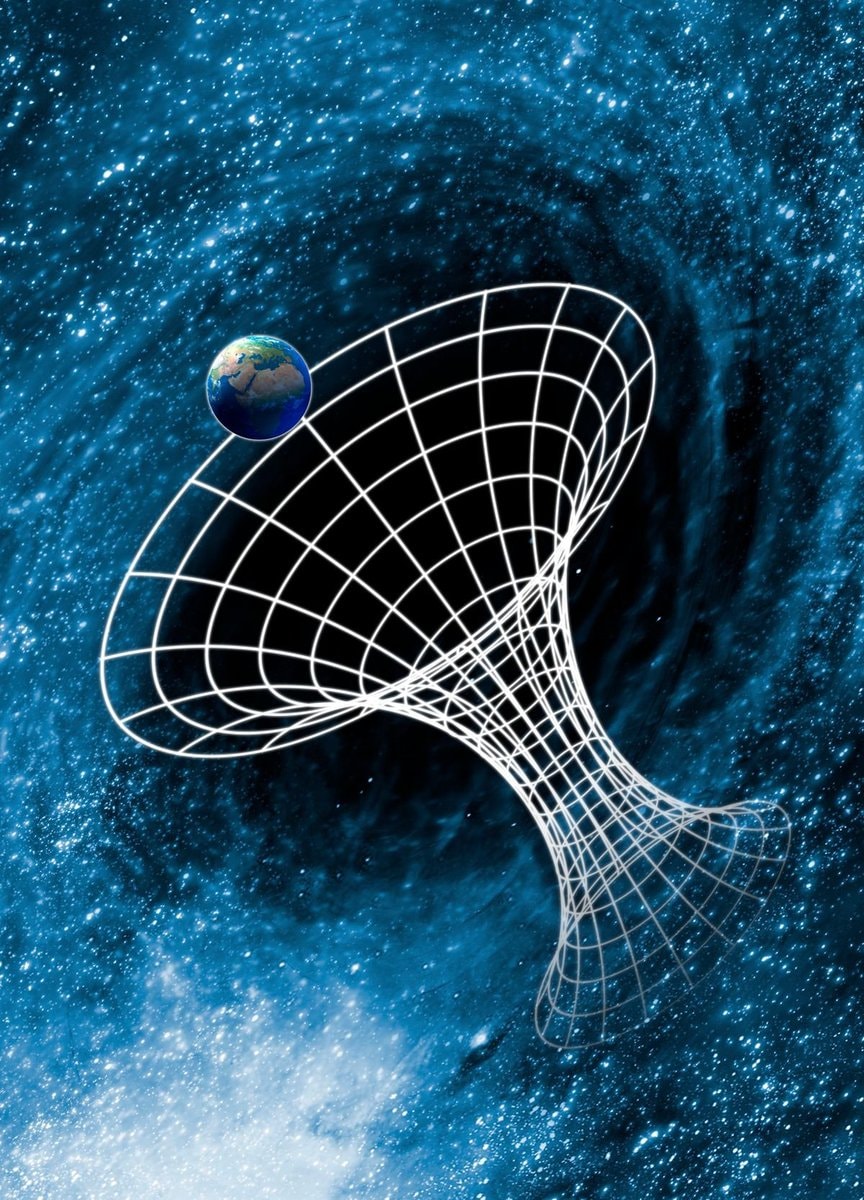 dark matter wormhole Milky Way
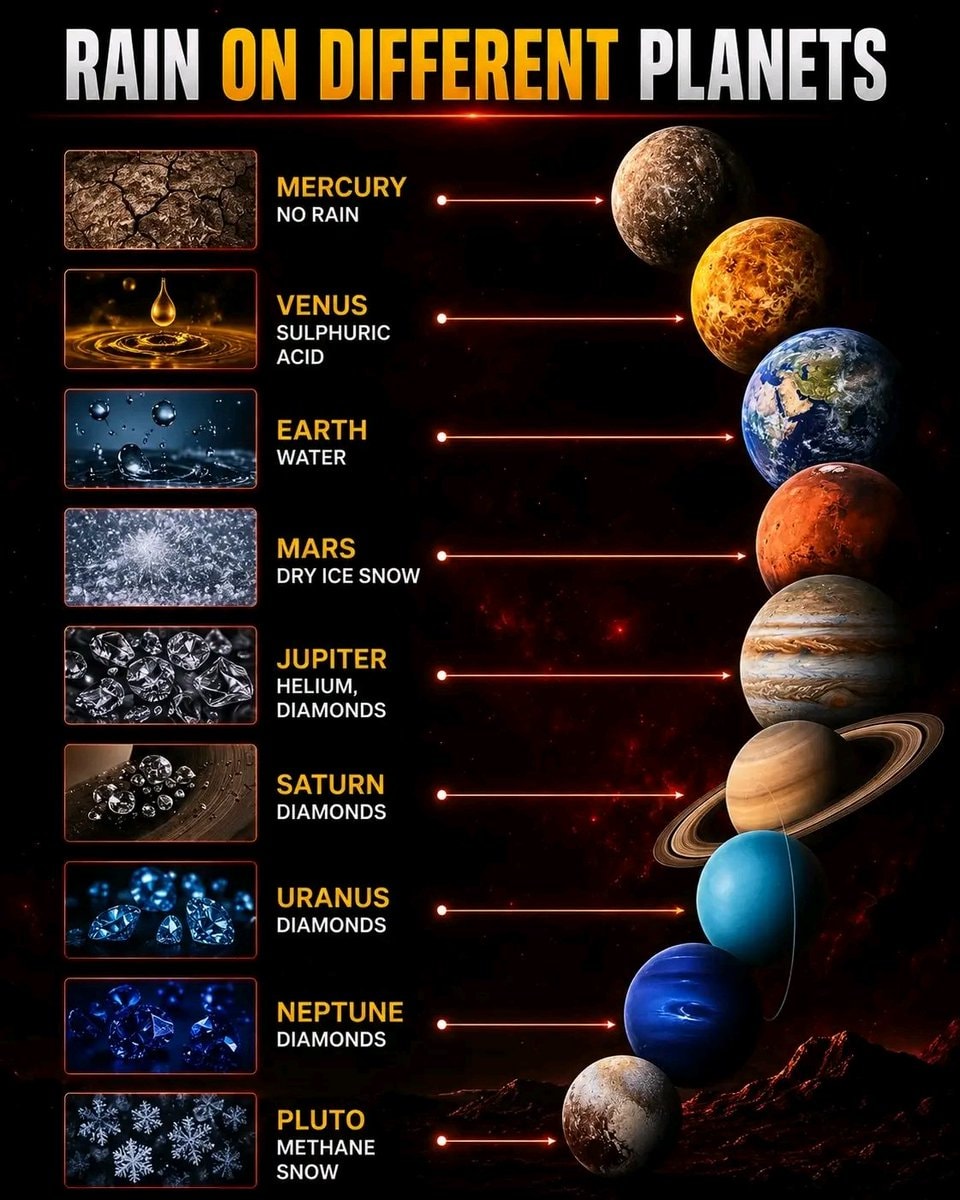 Rain on Different Planets
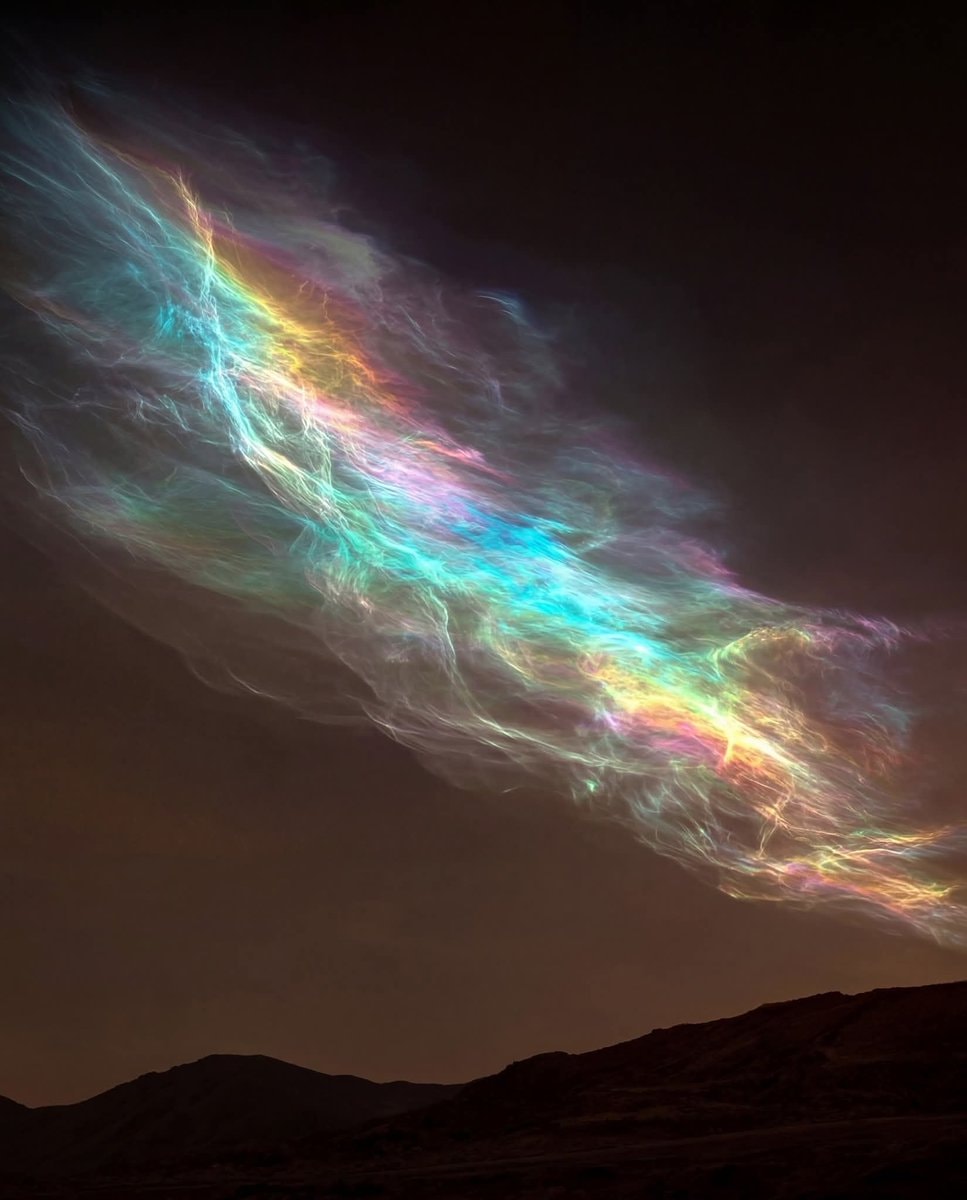 NASA Mars iridescent clouds image
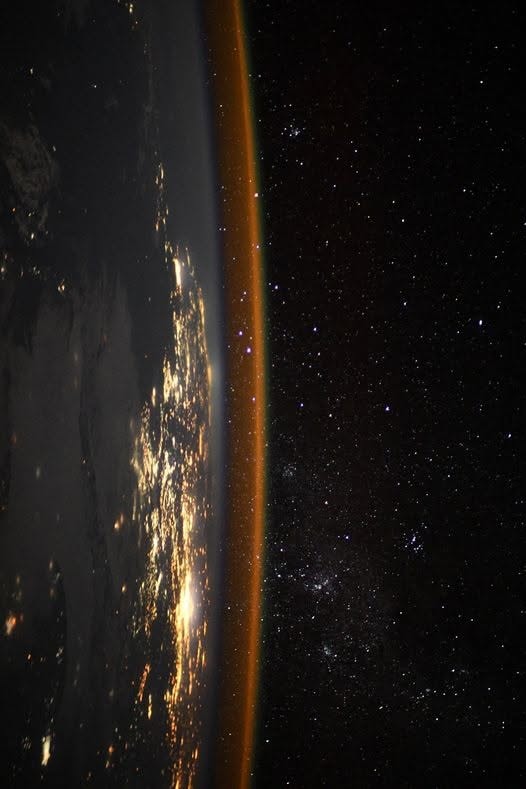 Earth at night from the ISS
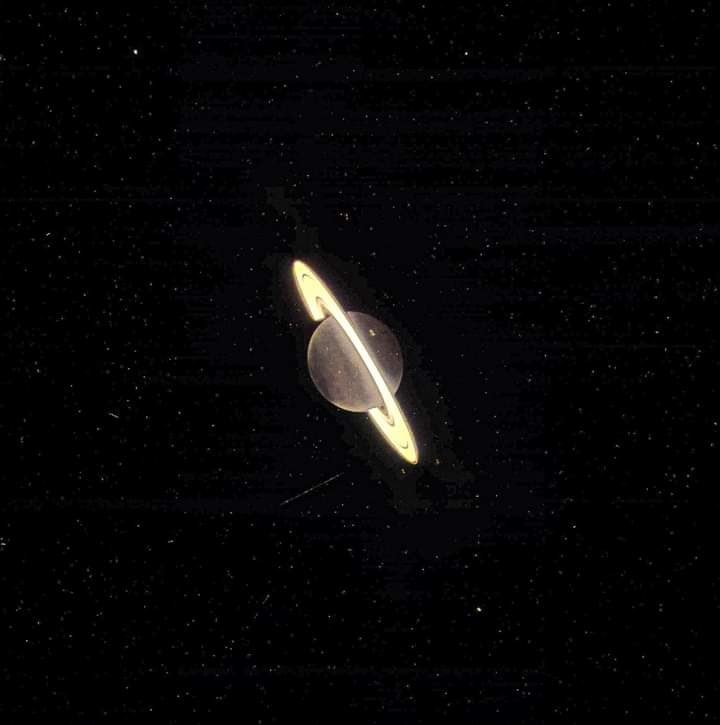 Golden Saturn JWST
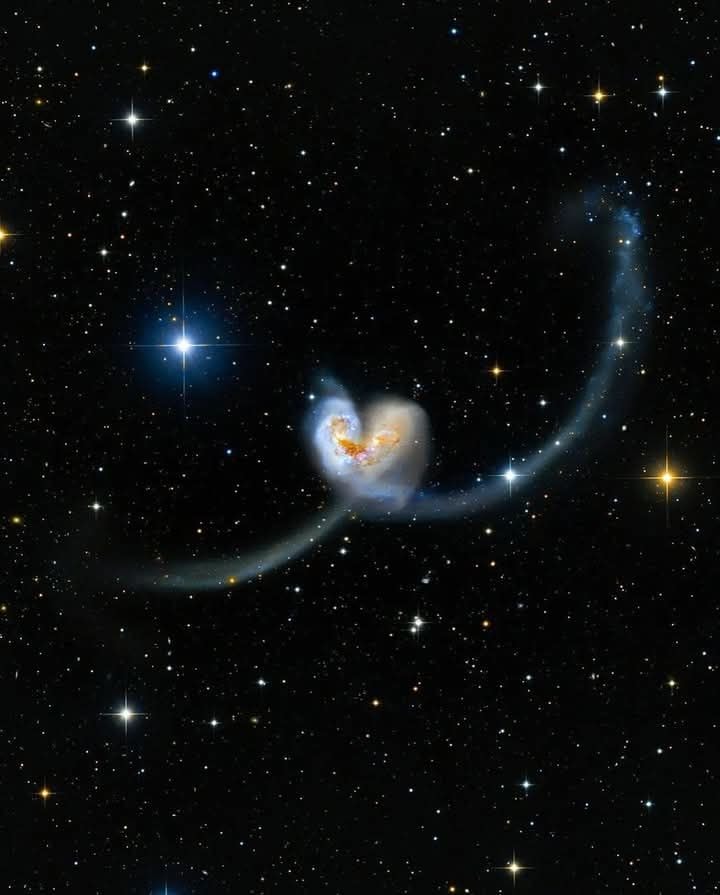 Unnamed interacting galaxies
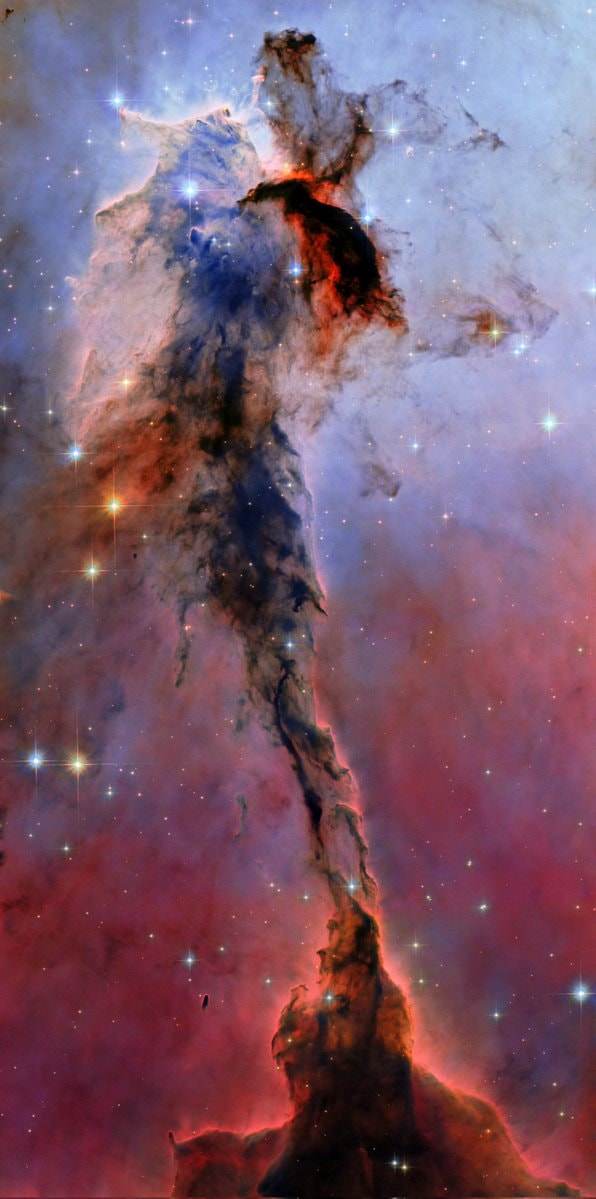 Eagle Nebula 9.5-Light-Year Tower
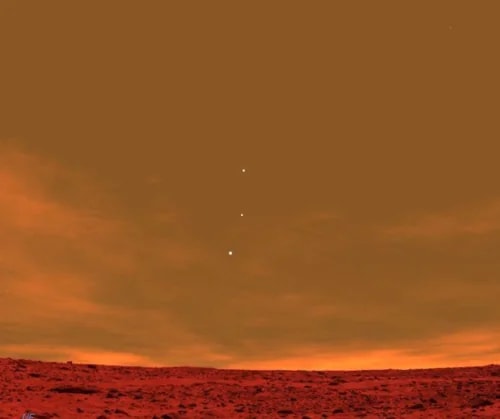 Mars rover view of planets
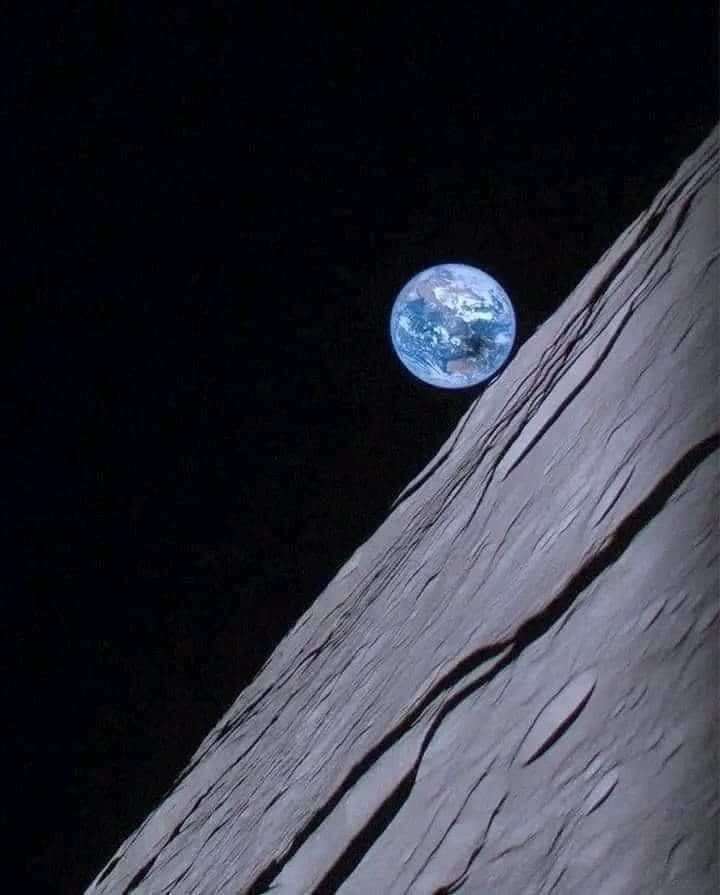 iSpace HAKUTO-R captures Moon shadow over Australia during eclipse
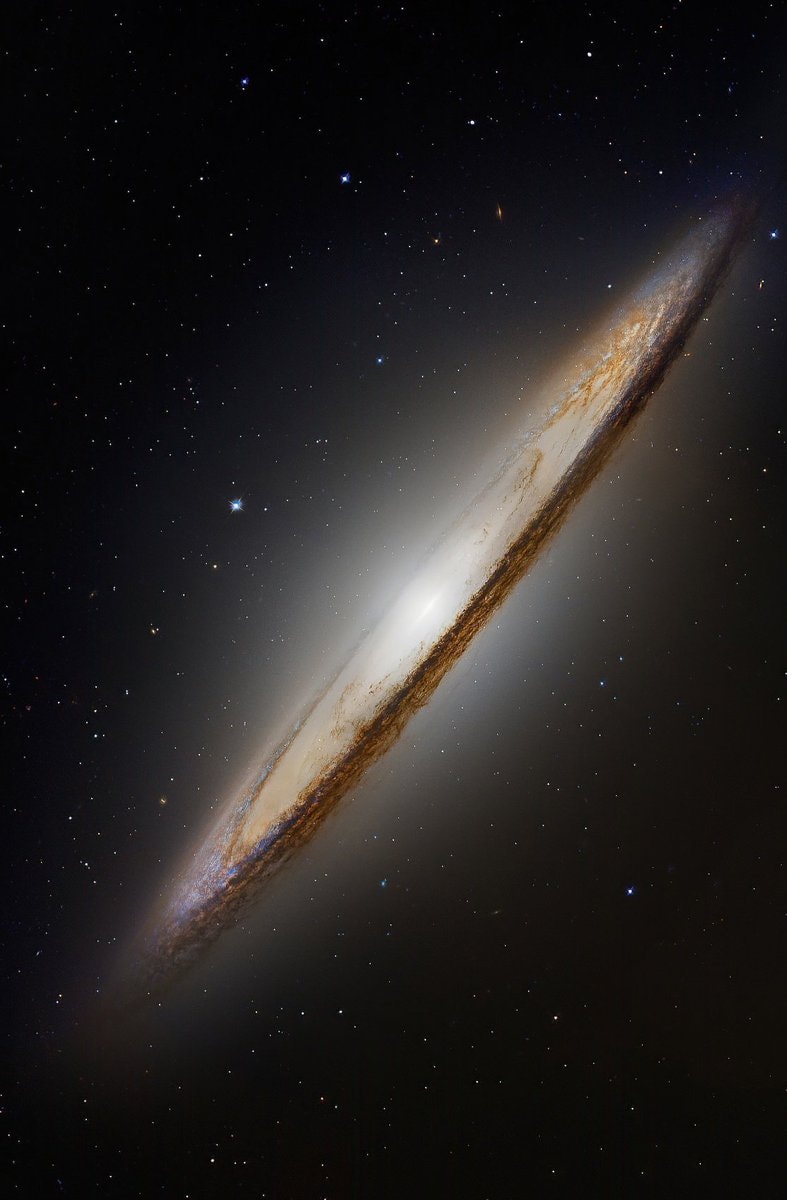 Sombrero galaxy Hubble Telescope
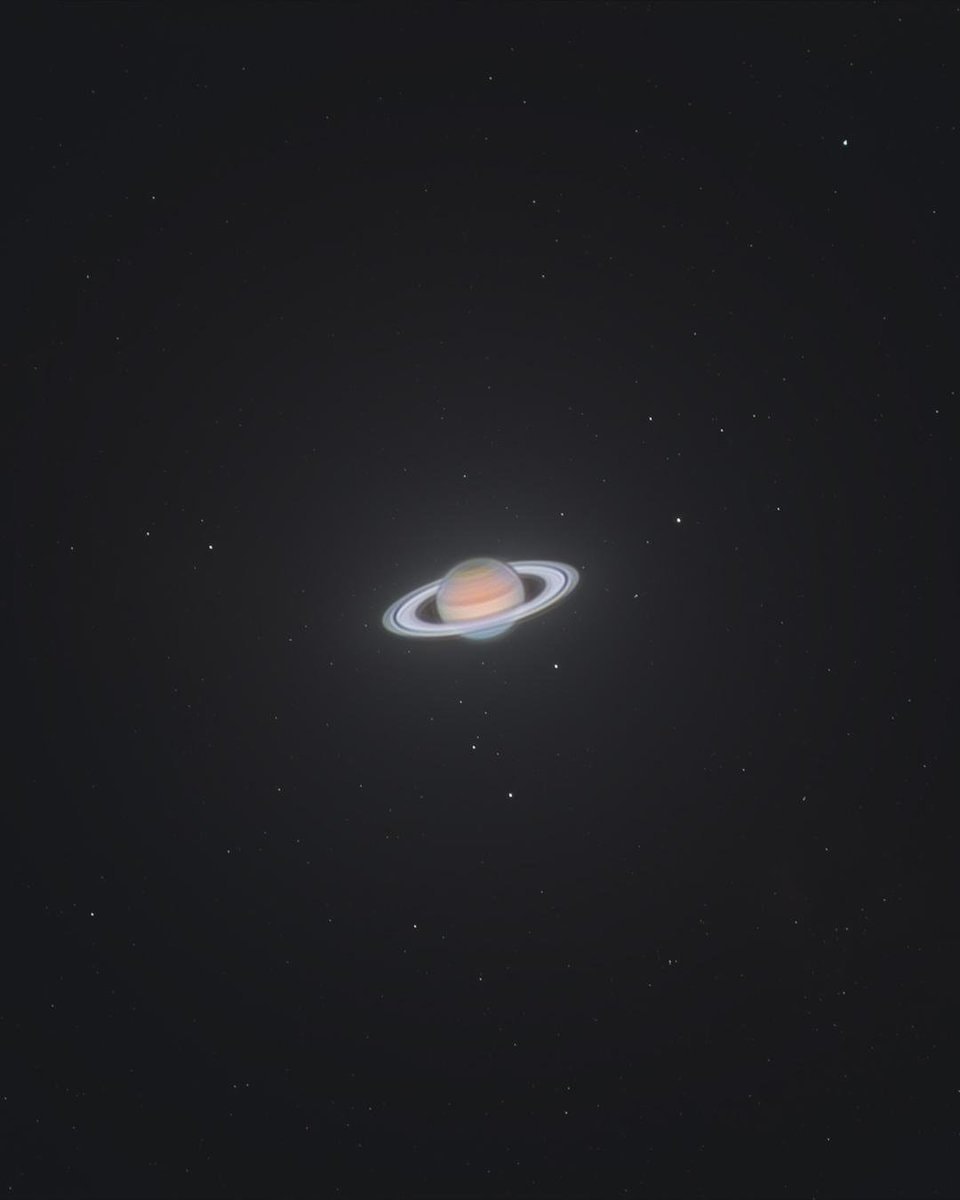 Saturn through 6 inch telescope
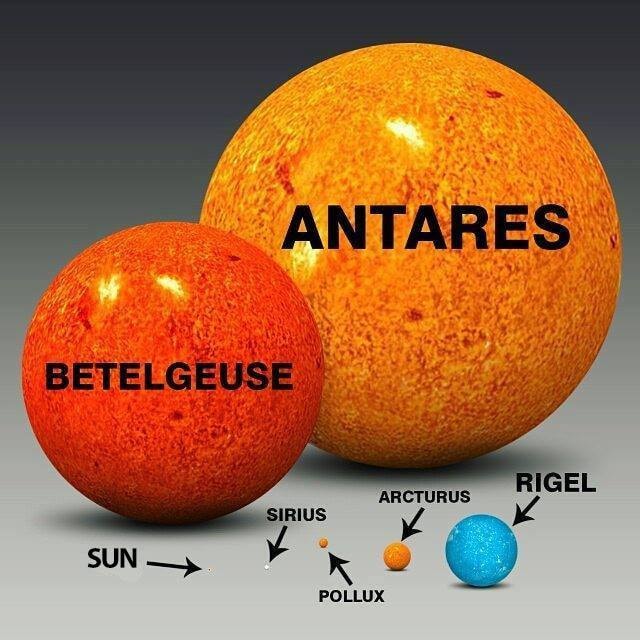 Sun compared to largest stars
@dr.topazwhat would you name this planet? with a big hole in it
View original postPhoto by @dr.topaz· Jul 11, 2026· Space
The focus is a planet or moon with a large hole in it. The planet has a cratered surface and a reddish-orange color, with a darker side on the left. The mood/style is sci-fi or astronomy-related, with a dark space background featuring stars. A notable detail is the large hole or crater in the center of the planet. There is no on-screen text.
Himalayas visible from spaceuniverse unreachable at light speeddeep space galaxiesShark NebulaUS Space Force deploys on-orbit weaponsPluto 1994 vs 2019dark matter wormhole Milky WayRain on Different PlanetsNASA Mars iridescent clouds imageEarth at night from the ISSGolden Saturn JWSTUnnamed interacting galaxiesEagle Nebula 9.5-Light-Year TowerMars rover view of planetsiSpace HAKUTO-R captures Moon shadow over Australia during eclipseSombrero galaxy Hubble TelescopeSaturn through 6 inch telescopeSun compared to largest stars